Death is Inevitable so enjoy life while you’ve got it!


1. The Logic of Inevitability

  • Accepting the Unavoidable: Death is simply a guarantee. Fearing it is described as being as counterproductive as fearing basic, everyday bodily functions.
  • A Release from Anxiety: Acknowledging that you cannot stop death allows people to drop the burden of trying to avoid it, freeing them from “unjust anxiety.”
  • Probability and Modern Life: In the modern world, the vast majority of people live to old age. Because it is a distant certainty for most, there is no logistical reason to let it overshadow the present.

2. The Preservation of “The Present”

  • Living Mindfully: As Bob Marley suggests, if you know what life is worth, you look for it on Earth. The human brain is naturally wired to focus on waking up, making plans, and looking forward to tomorrow.
  • Lessons from Tragedy: Witnessing the loss of a loved one—even a child—often highlights just how fleeting and fragile life is. Instead of causing fear, this realization inspires people to face life with excitement, wonder, and gratitude.
  • Avoiding a Half-Life: To fear death is to stop living entirely. It is better to live a short life full of vitality than a long life paralyzed by fear. As one person noted: “If the grim reaper wants me, he knows where I am.”

3. The Nature of Consciousness (The “Switch” Theory)

  • The Absence of Experience: You cannot actively “experience” being dead. Just as you do not consciously experience the hours spent in a dreamless sleep every night, you won’t be there to miss life or feel nothingness.
  • The Sweet Release: In death, all suffering, pain, and fighting cease. Even though joy is gone too, you lack the consciousness to miss it. It is a state of total, permanent peace.

4. The Metaphor of “Leaving the Party”

  • Knowing When It’s Time to Go: Life is compared to a great party. Eventually, you have had your fill, the crowd thins, and the music changes to tunes you no longer recognize. Staying longer means risking becoming a burden or watching your quality of life deteriorate.
  • Comfort in the Next Generation: There is peace in seeing the “newer guests” keeping the party going, allowing the older generation to step away gracefully.
  • The Desire for Rest: For those who live to a ripe old age, the thought of living forever becomes exhausting. Death is reframed not as a terrifying void, but as a beautiful, well-earned, “good, long sleep.”

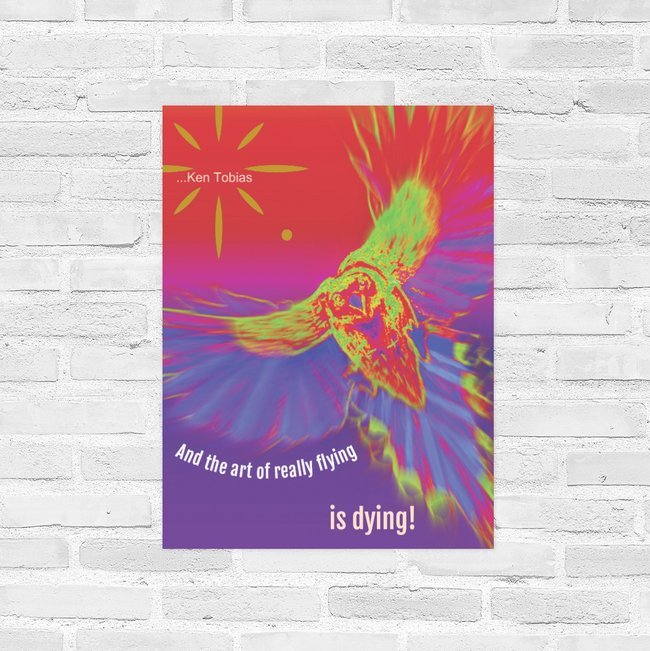
In this song is he talking about the ability to fly or that dying is the biggest flight your soul will take?

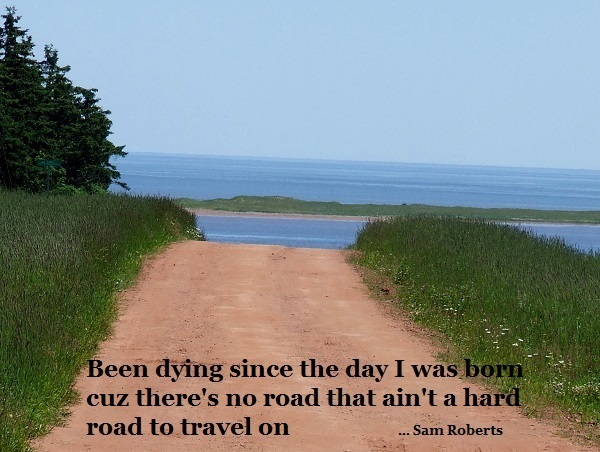
As soon as you are born, you are on the road to death. I’d rather live a short life full of life than a long life of nothing. Some people have no fear of death because they get the point. They enjoy the trip without worrying about the destination.

LOW RIDER

The song “Low Rider” from the 1975 album “Why Can’t we be Friends” by War is often thought of as a drug song due to the take a little trip chorus and the line that says the low rider is a little higher but that was not the intention according to the members of the band.

A low rider is a car, and also a culture. “Low Riders” are modified with hydraulic lifts that allow the driver to lower each wheel and make the car bounce. They are often customized with outrageous paint jobs, tiny steering wheels and swivel seats. The culture formed around these cars is big in the Southwestern US, and popular in Latino culture. Most of the band grew up in Southern California and were immersed in low rider culture.

As for War’s history, they are a multi-ethnic musical group formed in 1969 in Long Beach, California. They are known for their blend of jazz, rock, funk, and R&B and their politically charged lyrics. They have released several critically acclaimed albums and are considered one of the pioneers of the funk rock genre.

“Calling ourselves War was a positive thing: we were waging war against war and the conflicts going on in our back yard. Our weapons were our instruments, which fired rhythms, melodies and most of all harmony. We were a multi-ethnic band and we used our songs to bring peace and love.”

  The iconic lead vocals of “Low Rider” were performed by War’s saxophonist, Charles Miller.

Taken too soon – Remembering Jim Croce

Jim Croce was born to an Italian-American family in South Philadelphia in 1943; a self-taught guitarist who also played the accordion, he died in a tragic plane crash in 1973 just 30 years old. Spent years working odd jobs—truck driver, teacher, and DJ—while trying to break into the music industry.

In 1972, he partnered with guitarist Maury Muehleisen and signed with ABC Records. Achieved fame with classics like “You Don’t Mess Around with Jim,” “Operator,” and the #1 hit “Bad, Bad Leroy Brown.”

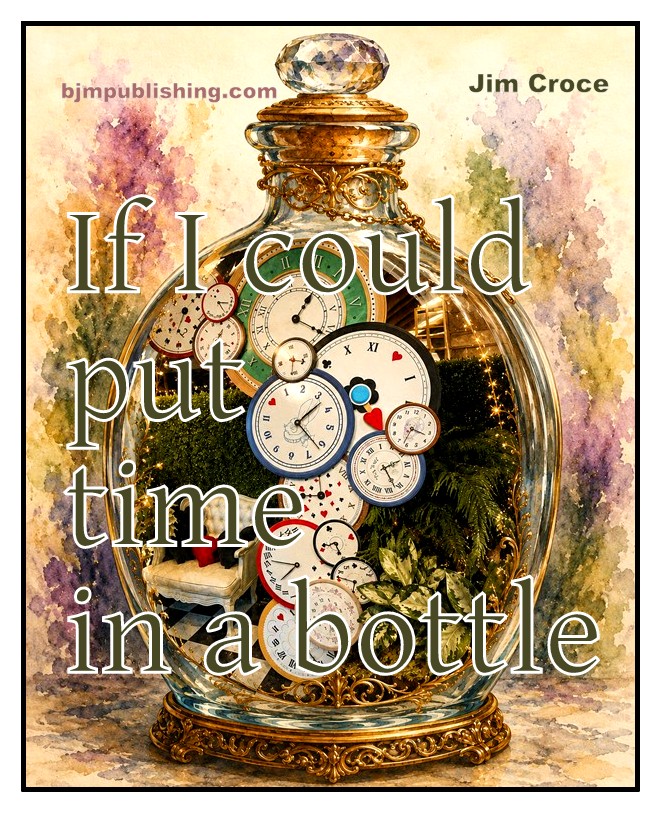
His song “Time in a Bottle” became a #1 hit after his death.

Inducted into the Songwriters Hall of Fame in 1990 and won a posthumous American Music Award in 1974.

Time in a Bottle