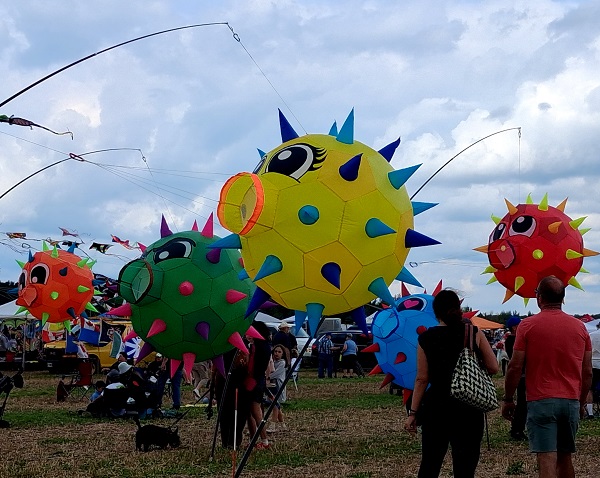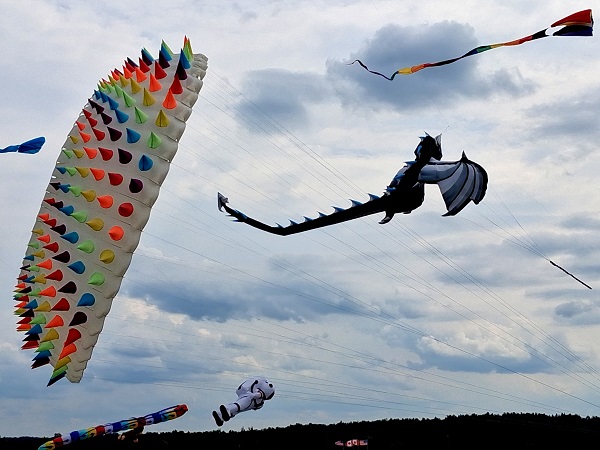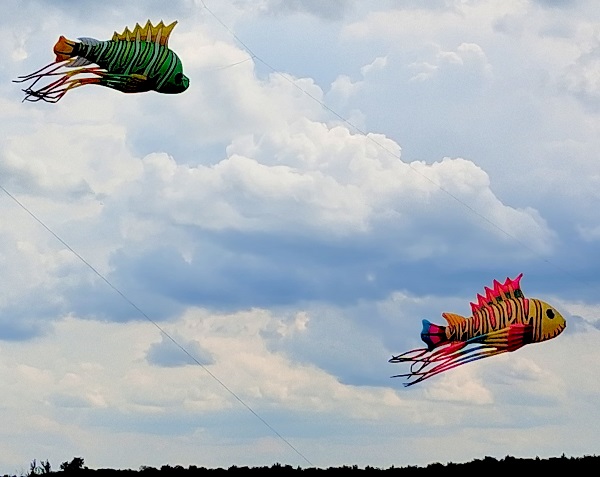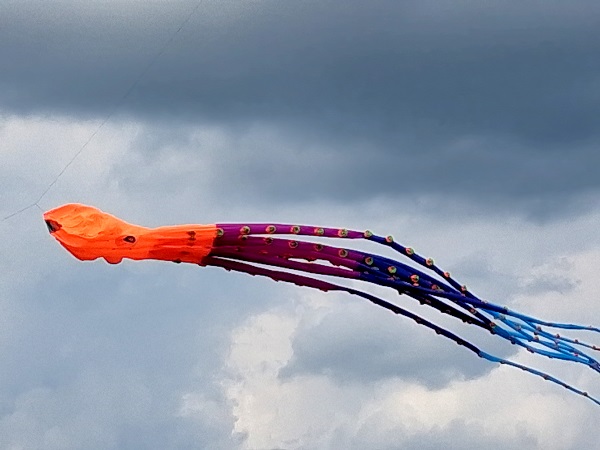
Kite festival

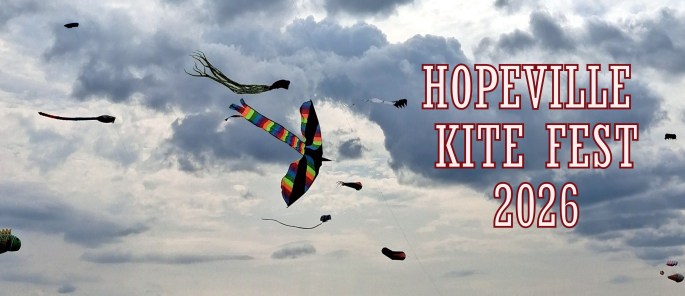
Hopeville Kite Festival

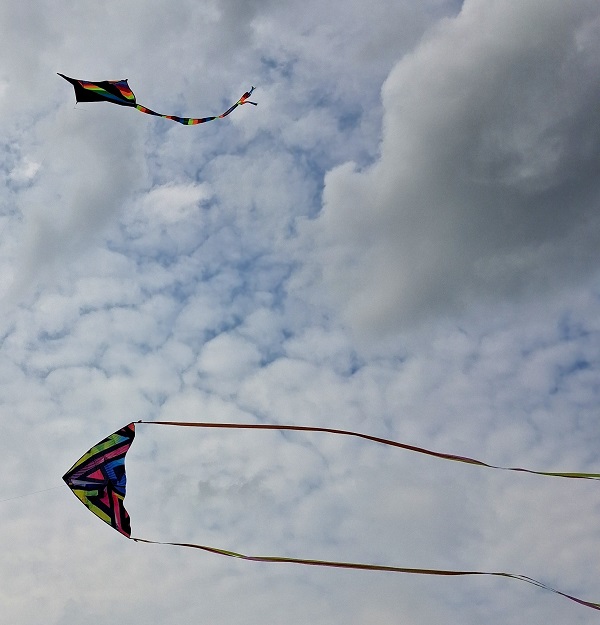
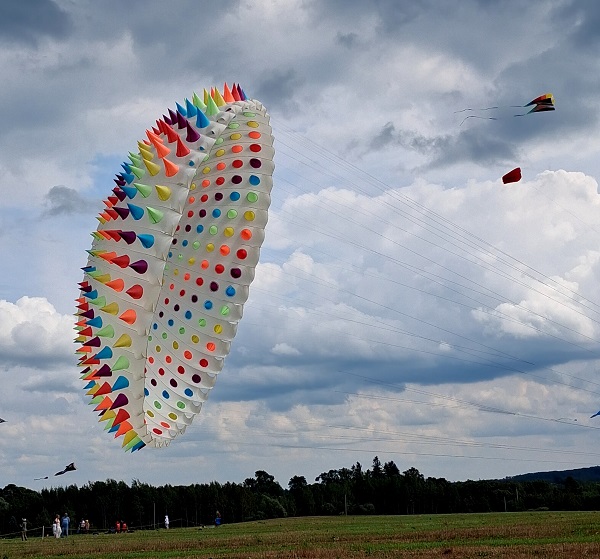
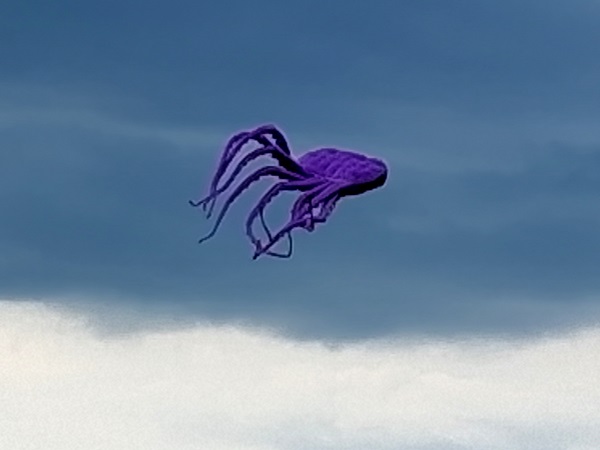
Many years ago, I took my nephews to a kite festival and they were just as enchanted as I to see all the various kites flying above them.  Today there are much more elaborate kites available, and on show in abundance this past weekend. Kite flying apparently originated in ancient China over 2,000 years ago. (some say South Pacific)

Although it is a free event, organizers welcome donations to help put on the festival year after year. The festival address is 125849 Southgate Rd. 12 in Dundalk, Ontario and if you missed it this year, you will likely be able to catch it next August as it is an annual event. The Hopeville Kite Festival is proudly funded by the Government of Ontario. The Family Fun Zone is made possible by a grant from Community Foundation Grey Bruce.

Tip: The ultimate trick to flying a kite is maintaining tension on the string. Always stand with your back to the wind, let the kite catch the breeze, and pull gently on the line when it dips or feed it line when it climbs. Never let the line go completely slack.

Some interesting facts regarding kites:

The smallest kite in the world which actually flies is 5mm high.

The largest number of kites flown on a single line is 11,284. This record is held by a Japanese kite maker.

The longest kite in the world is 7,700 metres in length.

The largest kite in the world is the Megabite 55 x 22 metres (630sq metres).

The fastest recorded speed of a kite is over 120 mph. (193 km/h).

The record for the highest single kite flown is 3801 metres (12,471ft).

Some Japanese kites weigh over 2 tons. And some of the longest Chinese Dragon kites are over 600 metres long.

You do not need wind to fly a kite.

Kite flying is one of the fastest growing sports in the world.

More adults in the world fly kites than children.

People were flying kites 1,000 years before paper was invented.

The first powered aircraft were large box kites with motors fitted to them.

Kites have been used for fishing, bird scaring, delivering mail and papers, forecasting the weather and frightening evil spirits away.

Benjamin Franklin used a kite to prove that lightning was electricity.

Upcoming 2026 Kite Festivals in Ontario

New Park Unveiling (Newmarket): September 19–20, 2026

Kites in the Field (Lucknow): September 26–27, 2026

Eau To Joy on the Beach (Erieau): October 17–18, 2026

Exploring Dale Chihuly: Master of Glass Sculpture

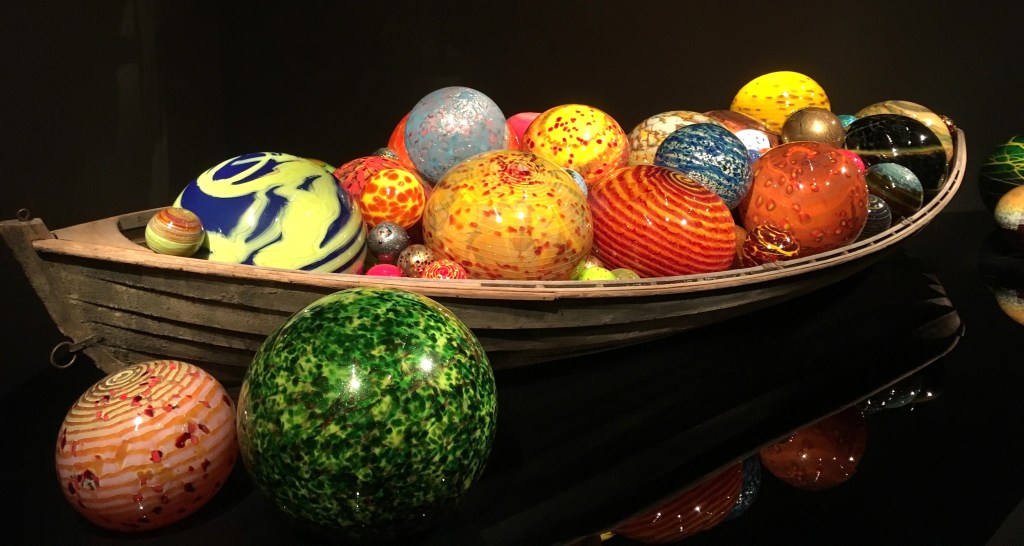
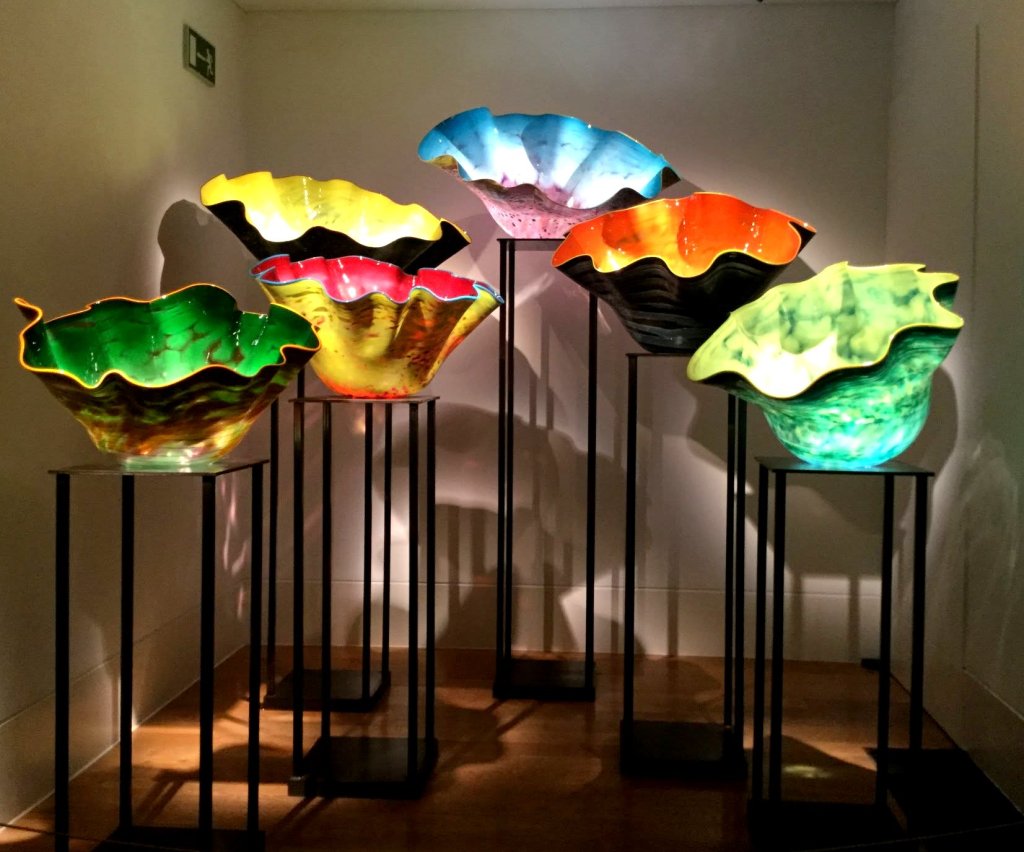
Dale Chihuly is a renowned American glass sculptor who has created a successful glass-blowing empire and has various works of art displayed throughout the world. His work is known for vibrant colors, organic shapes, and immense scale—often imitating natural forms like sea life, flowers, and botanical structures. Born in Tacoma, Washington, in 1941, Chihuly initially studied interior design at the University of Washington before taking up glassblowing.

He co-founded the Pilchuck Glass School in Washington in 1971, turning the Pacific Northwest into a global hub for glass art. After a 1976 car accident cost him vision in his left eye, Chihuly stepped back from holding the blowpipe. Instead, he transitioned into an “orchestrator,” leading teams of master glassblowers to execute his vision. The Chihuly Garden and Glass complex at Seattle Center broke ground in 2011 and opened to the public on May 21st, 2012.

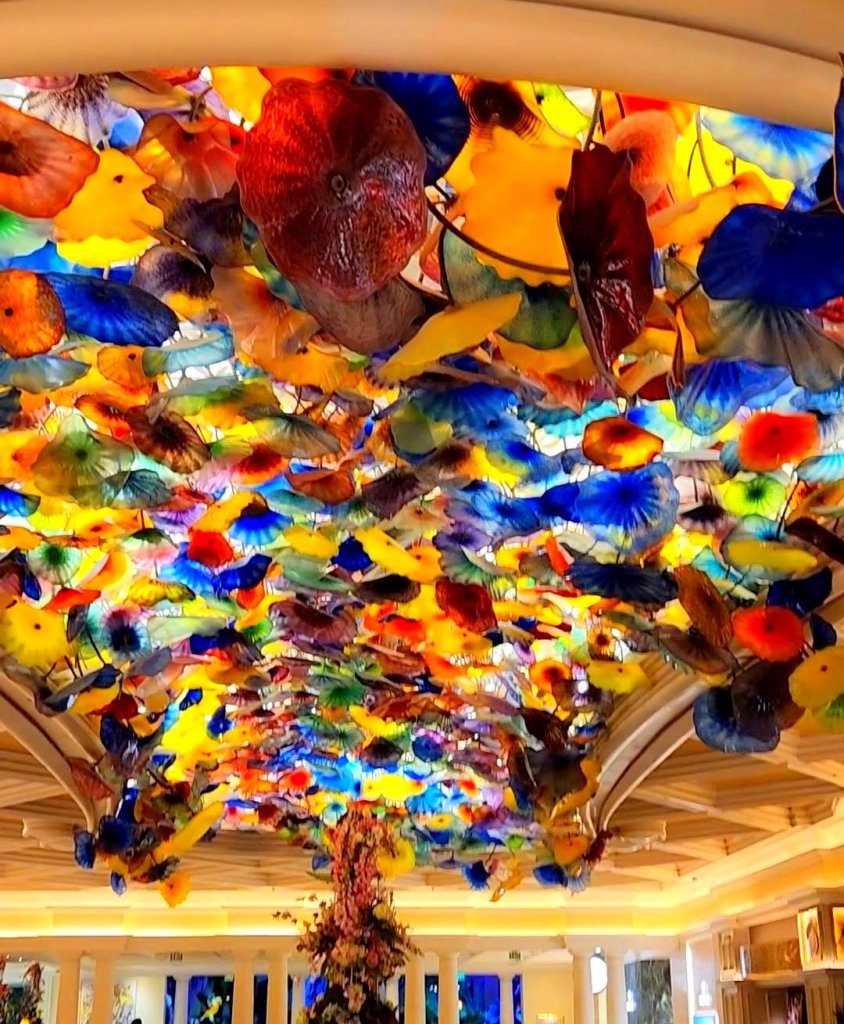
‘The Fiori di Como’ at the Bellagio Hotel covers 2100 square feet and contains over 2000 hand-blown glass blossoms and weighs 20 tons.  It is an incredible feat of engineering and originality. 

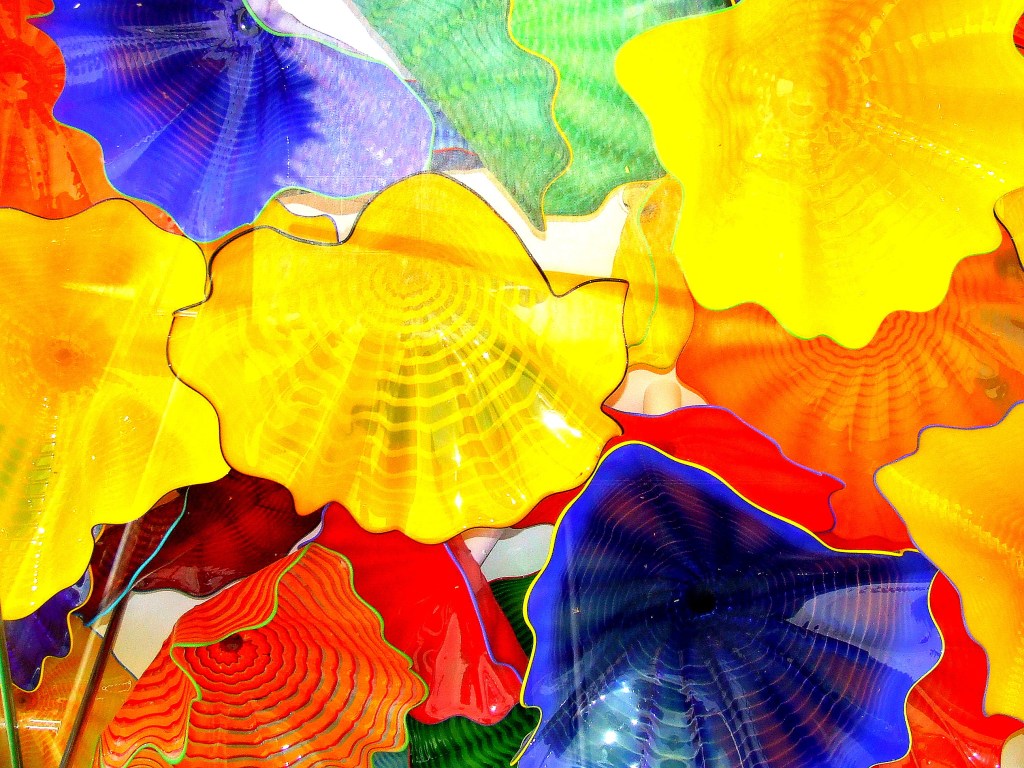
You can also find a glass Chihuly ceiling in the lobby of the Soho Hotel in Toronto.

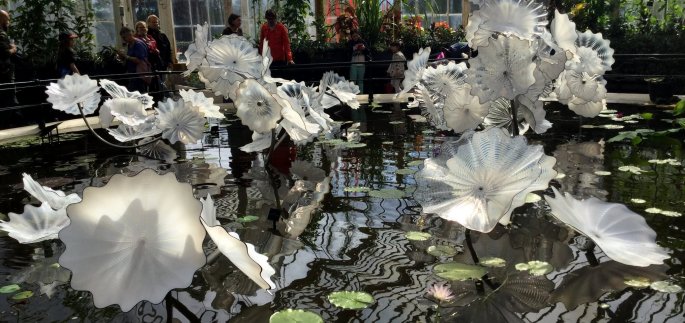
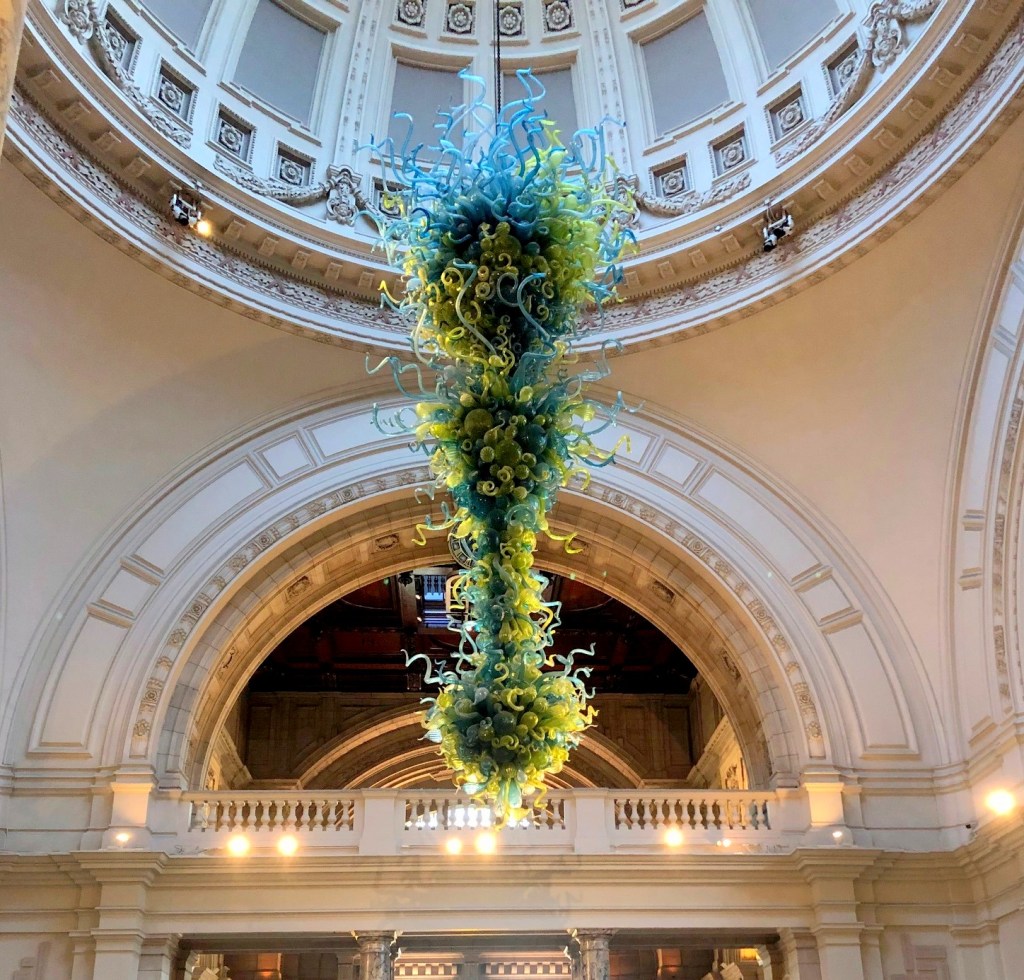
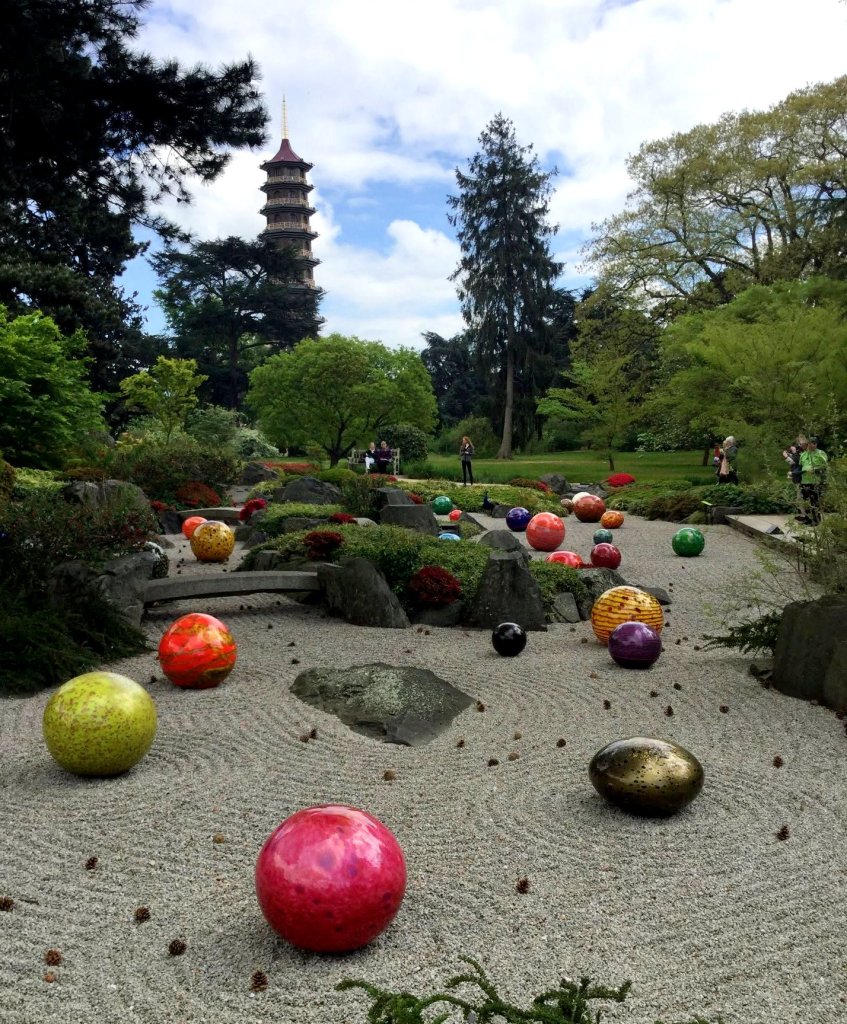
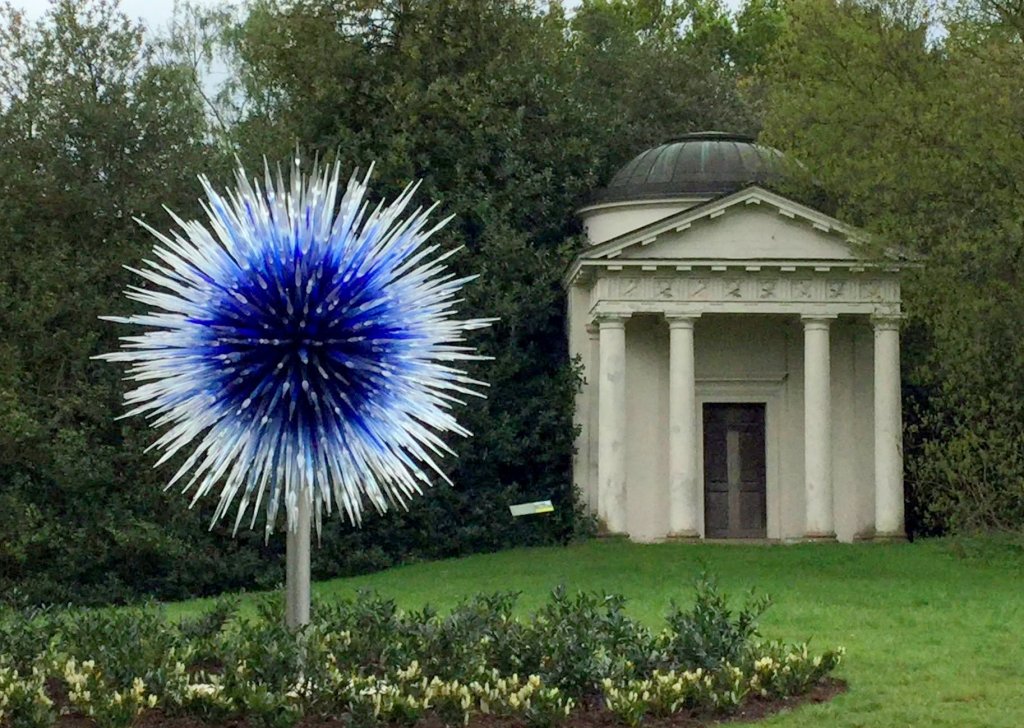
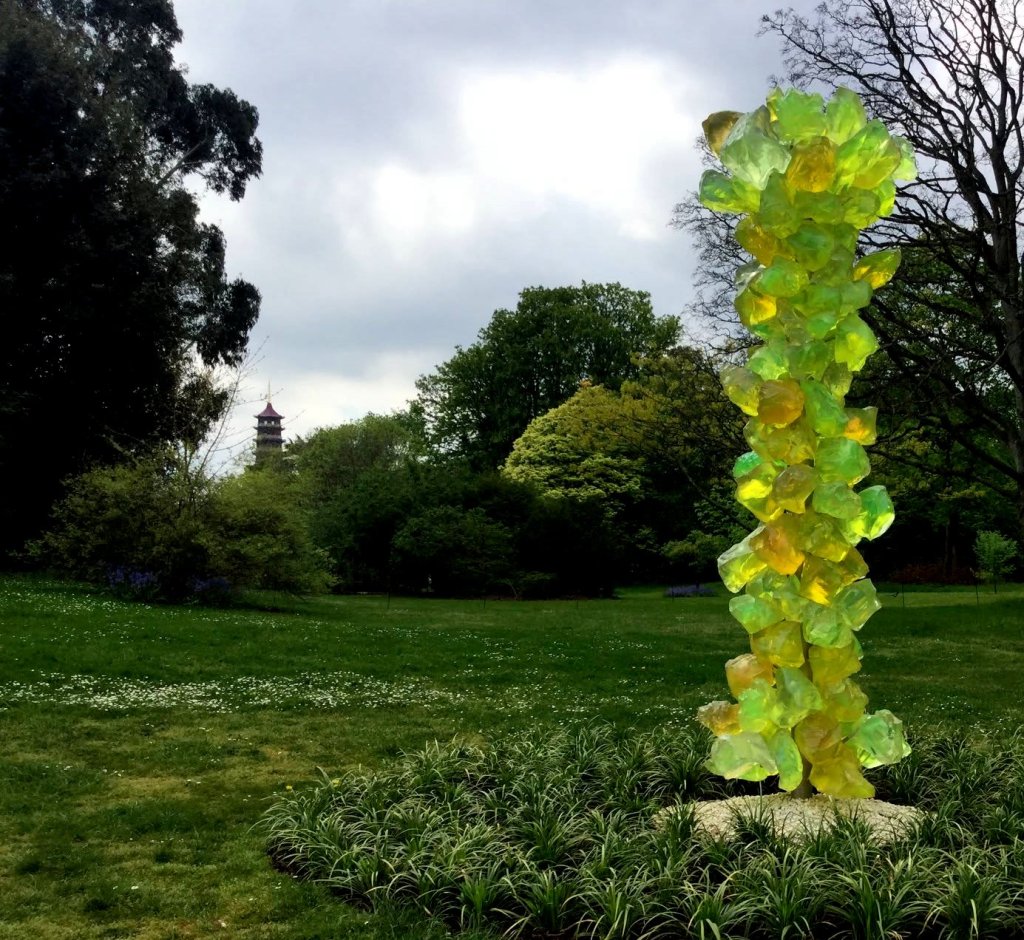
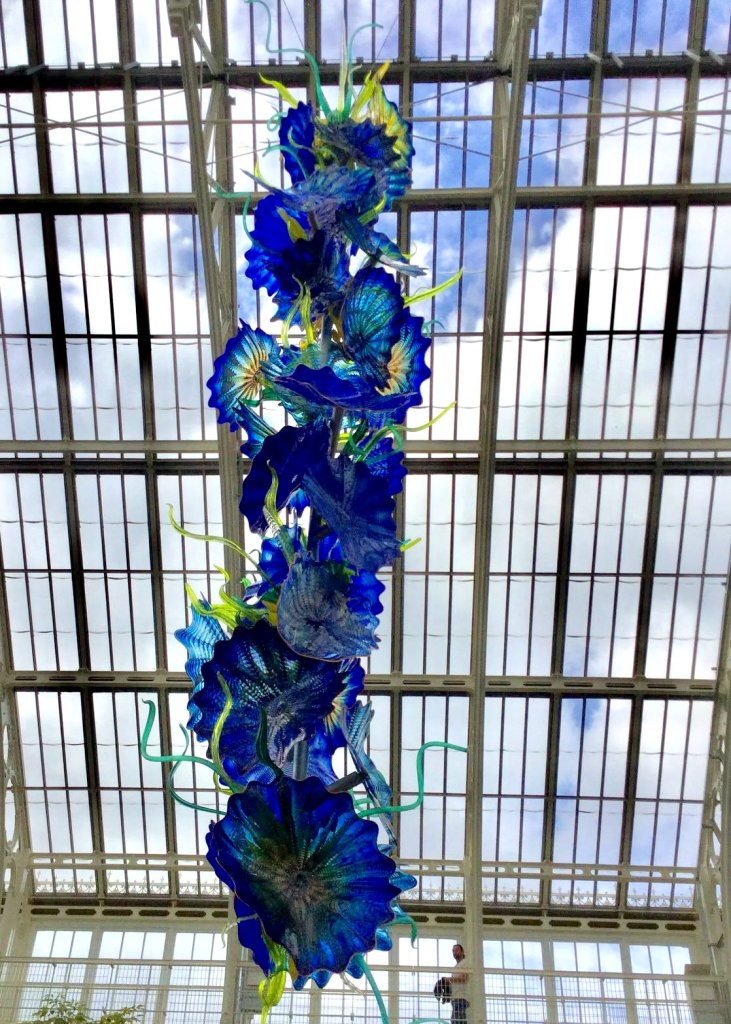
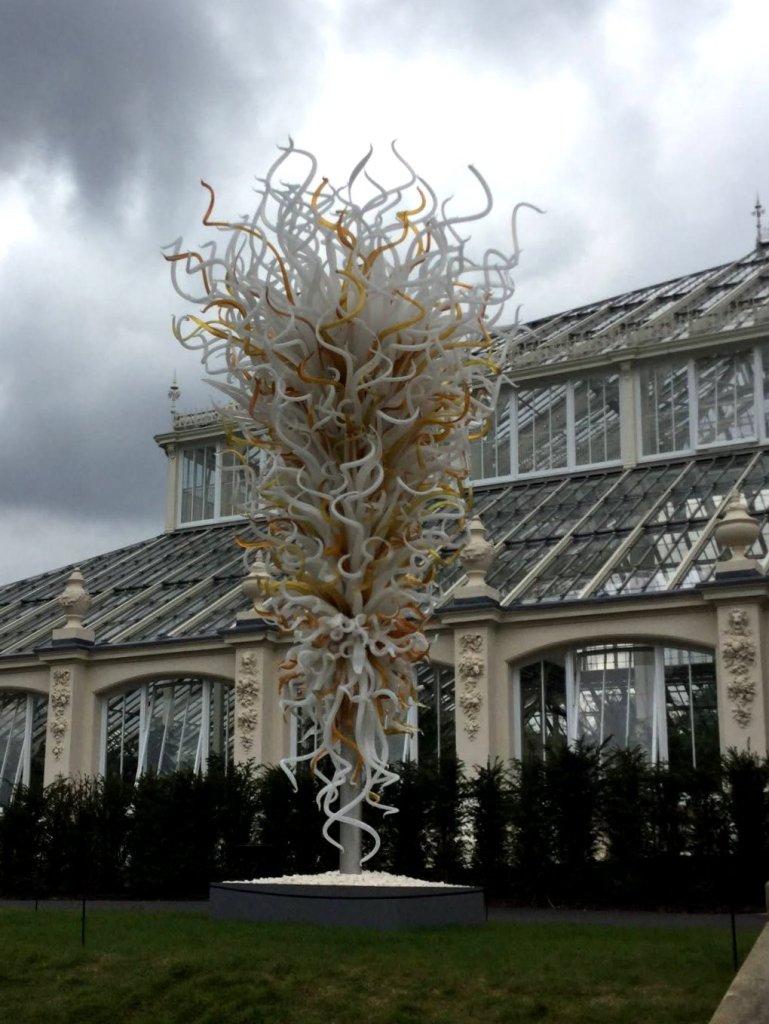
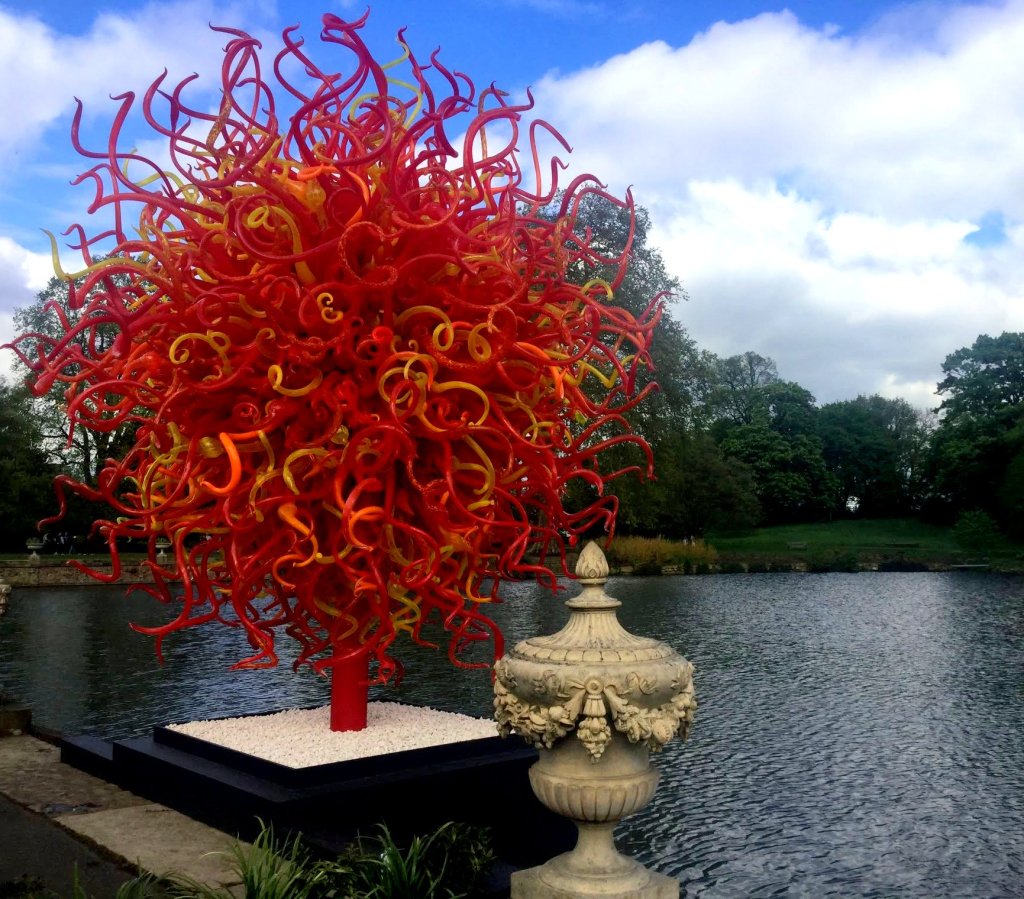
His recurrent stylistic groups—such as SeaformsMacchiaPersians, and Baskets—are staples in over 200 museum collections worldwide. In 2019 in Kew Gardens in London Chihuly had a fantastic open air exhibition that my sister-in-law, Joyce was lucky enough to see and who took the following photos!

If you should find yourself travelling and have the opportunity to see some of his work, especially in a landscaped environment, I urge you to go and see up close and personal these fantastical works of art. You will not regret it!

Erté: A Journey Through Art and Elegance

Romain de Tirtoff was born on  November 23, 1892 in Saint Petersburg, Russia to an aristocratic family. He was a pioneering Russian-born French artist and designer known as the “Father of Art Deco”. His designs included dresses and accessories for women; costumes and opulent sets for opera, ballet, and dramatic productions; and posters and prints. Moved to Paris, France, in 1912 against his family’s wishes to pursue art. Adopted the pseudonym Erté, which is the French pronunciation of his initials R.T. (Romain de Tirtoff).

He wrote his autobiography, Things I Remember in 1975. Erté’s legacy serves as a reminder of the intersection between art and society, illustrating how a singular artistic voice can resonate across generations and shape cultural narratives. The name remains a symbol of elegance and aesthetic excellence, firmly rooted in the annals of art history.

Cherry Blossom Season

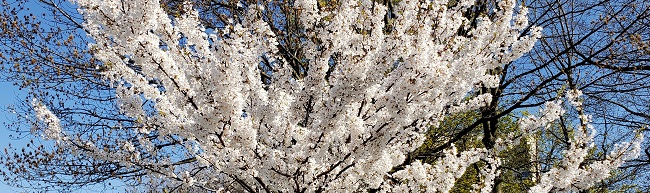
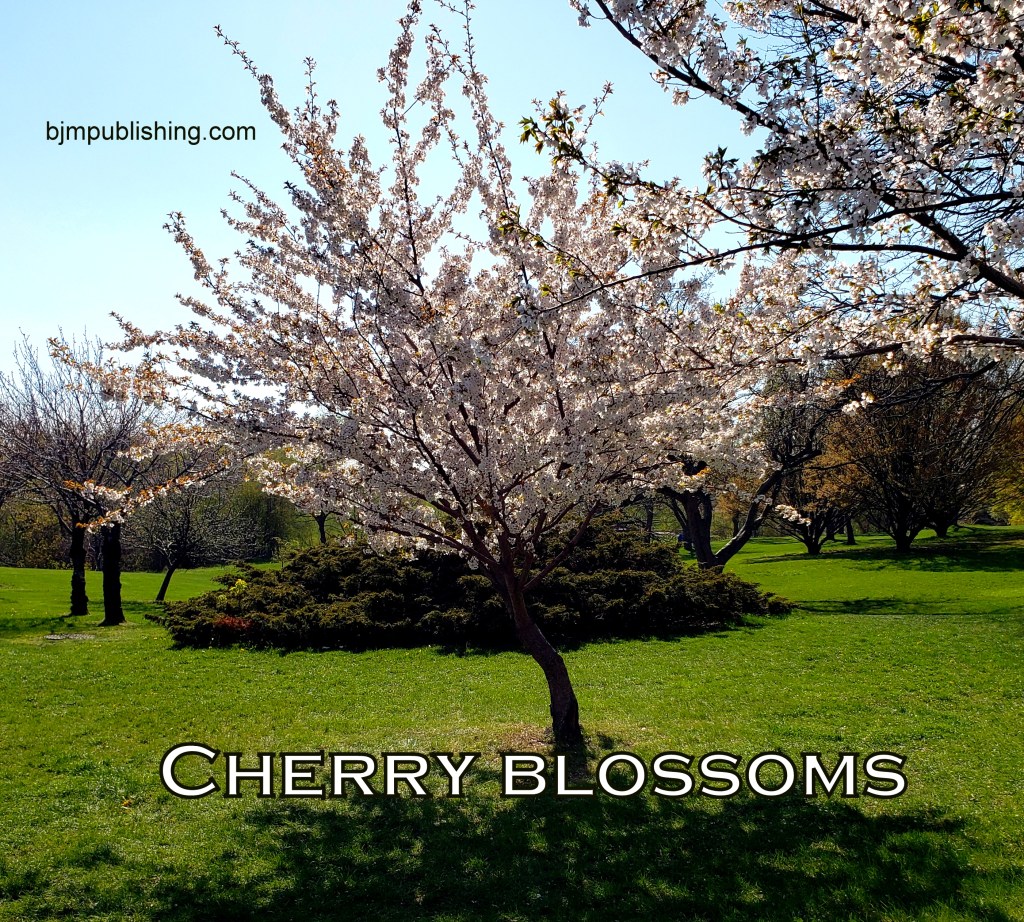
Cherry blossom – or sakura – season in Tokyo, Japan is truly a magical experience. Thousands of trees burst into bloom, dousing the streets with stunning shades of pink. The flowers are a national obsession and people flock to parks to hold hanami (picnic) parties. Often featuring food, drinks, and social gatherings, these parties take place in parks and gardens to celebrate the short-lived, beautiful blossoms.

In 1958, three hundred more cherry trees were donated by the Japanese consul as a symbol of friendship between Canada and Japan. These trees were soon planted along Cambie Boulevard, between 49th and 33rd Avenues, in Queen Elizabeth Park, and around the cenotaph in Stanley Park. 2025 marked a century since the historic introduction of the Ojochin tree to Vancouver. Over the past hundred years, cherry trees have enticed and enamoured locals and visitors alike; their significance to the city’s arboricultural, cultural, and social landscapes is abundant. Queen Elizabeth Park would be the best place to see the blossoms if you are restricted on time visiting Vancouver.

With almost 500 trees, Centennial Park in Etobicoke is home to the second-largest cherry blossom tree collection in Ontario.

Named in honour of Kariya, Mississauga’s sister city in central Japan, Kariya Park is a serene Japanese-inspired garden featuring a pond, boardwalk, pavilion and a beautiful grove of over 300 cherry blossom trees.

Trinity Bellwoods Park (Toronto): Features roughly 70 Sakura trees with iconic views of the CN Tower.
Exhibition Place (Toronto): A quieter spot with a significant canopy of cherry trees near the Princes’ Gate and Princess Margaret Fountain.
University of Toronto (St. George & Scarborough): Several, including a large cluster on Arboretum Lane at the Keele campus and near Robarts Library.

Top contender in the U.S.A. is The International Cherry Blossom Festival is held in Macon, Georgia, every spring. Macon, known as the “Cherry Blossom Capital of the World,” has around 300,000–350,000 Yoshino Cherry Trees that bloom around the city in late March every year.

The Year of the Fire Horse

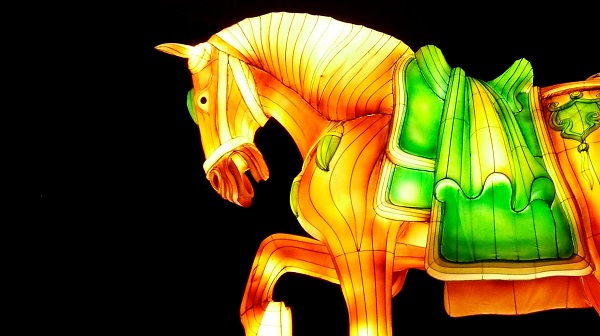
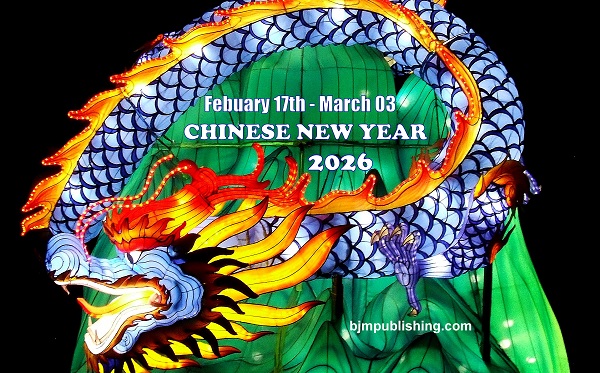
The Chinese New Year is being celebrated around the world in different venues and Cities to honour the Year of the Horse, particularly the Fire Horse for 2026. Celebrations started on February 17 and will conclude on Wednesday, March 03rd.

The Year of the Fire Horse is special because it occurs only once every 60 years, representing a rare convergence of the Horse zodiac sign and the fire element. This pairing creates a high-energy, volatile year known for rapid, intense, and often chaotic change, fueling both massive ambition and potential instability. Seems to be on point so far!

Year of the Horse