Whistling Gardens in Wilsonville, Ontario was established in 2012 by founders Darren and Wanda Heimbecker, who transformed a former 20-acre cornfield into an award-winning botanical landscape. Not very old by garden standards but they have incorporated the right mixture of splendour and delight to keep you looking forward to what is around the next bend. You can see the entirety of the garden in about two hours but you can linger at several places and really take in the gardens in an afternoon or evening. Total cost for our visit was $37.95 (two adults) which might feel steep to some but strolling around here was almost magical and very peaceful. There are 4 km of walking paths that are wheelchair accessible. You can find Pheasants, Peacocks, Swans, Egyptian Geese, Serama (the smallest breed of chicken) in the aviary.
We arrived shortly before noon and caught the one o’clock water fountain show which lasts about 11 minutes and is choreographed to two pieces of music. Owner Darren Heimbecker engineered a massive computerized water theater featuring over 100 water jets set across three 90-foot staircases and a stage floor. The show that they feature at night is much more colourful and lasts almost an hour…so I guess we will have to go back sometime and see the gardens at night.
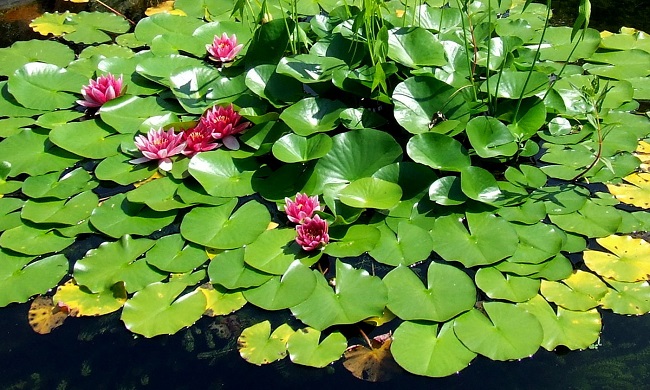
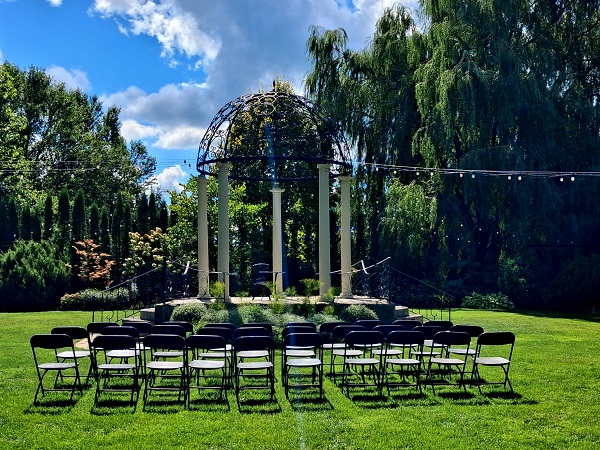
The lady at the front said the best time to see the Gardens is in June when the peonies are blooming so I may note that on my calendar for next year. We went on Labour Day Sunday and though there wasn’t an abundance of flowers, it was worth the time and money. They have an aviary with some pheasants and a peacock and a very loud rooster, two ponds, a rock garden, a temple garden for weddings and a cactus garden. They also have flush toilets as well as the usual porta potties.

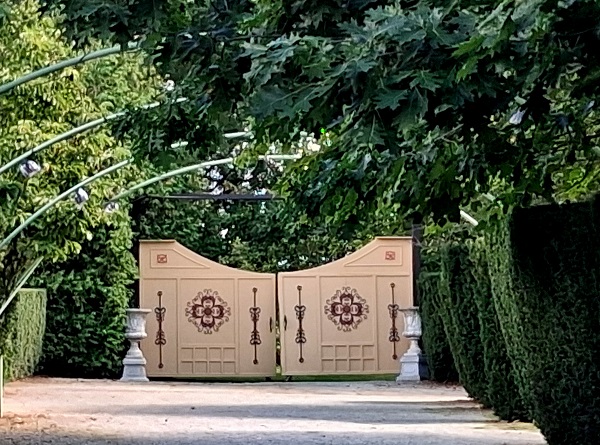
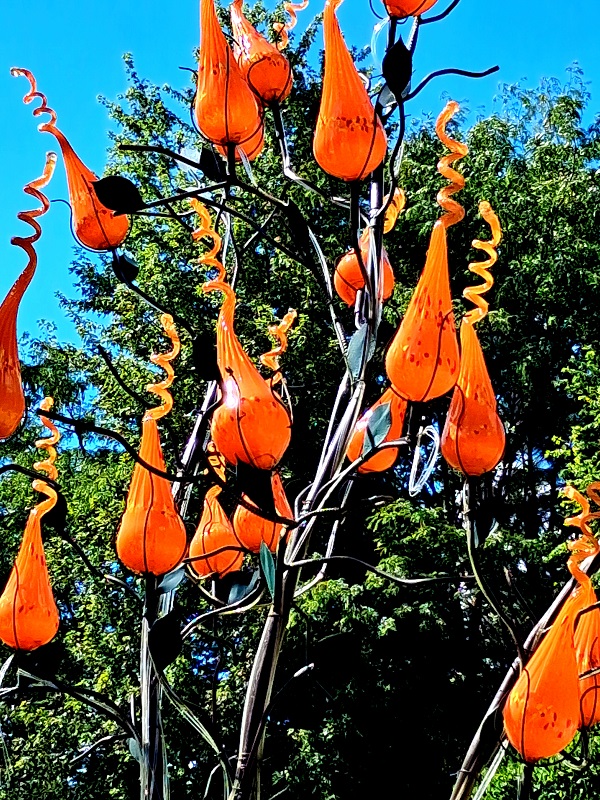
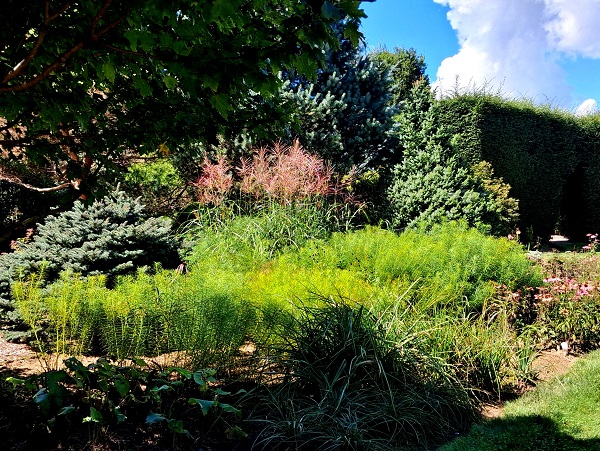
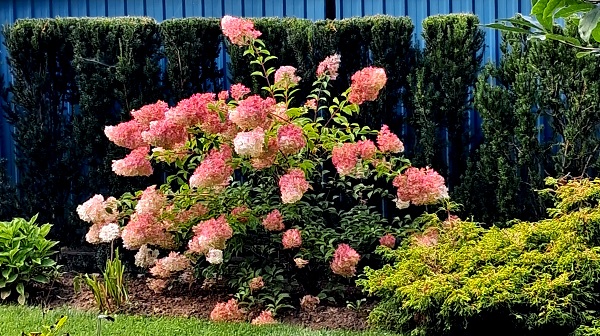


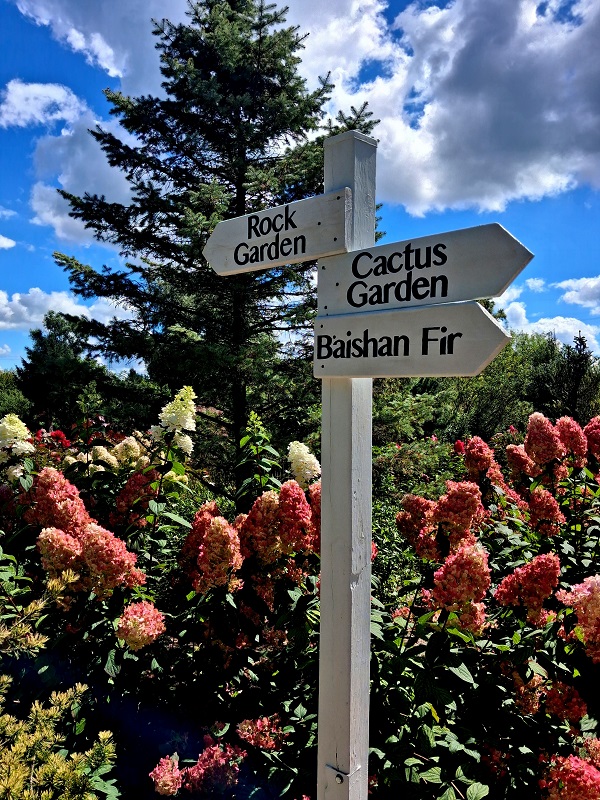
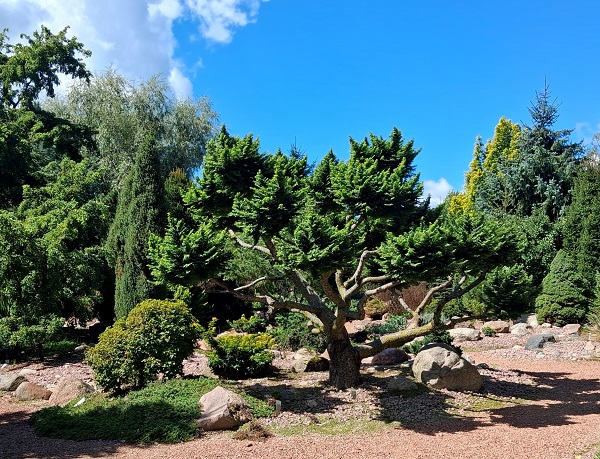
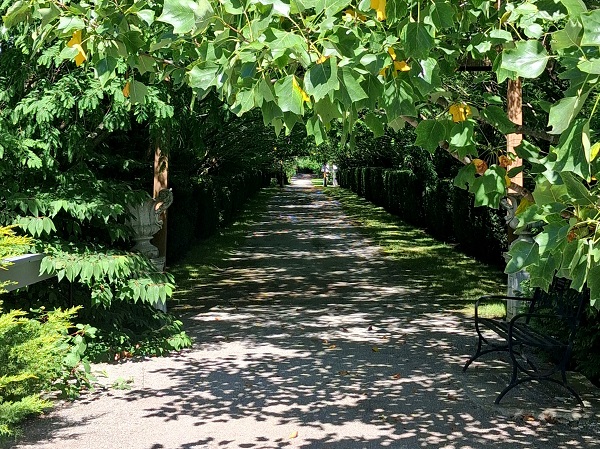
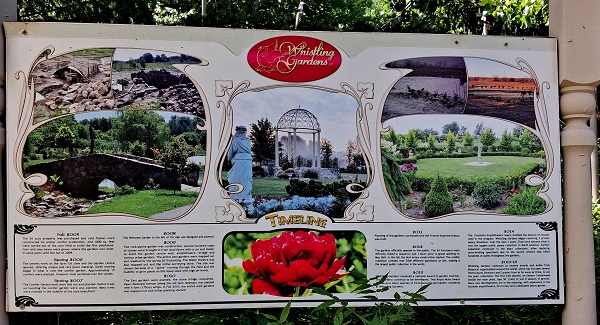
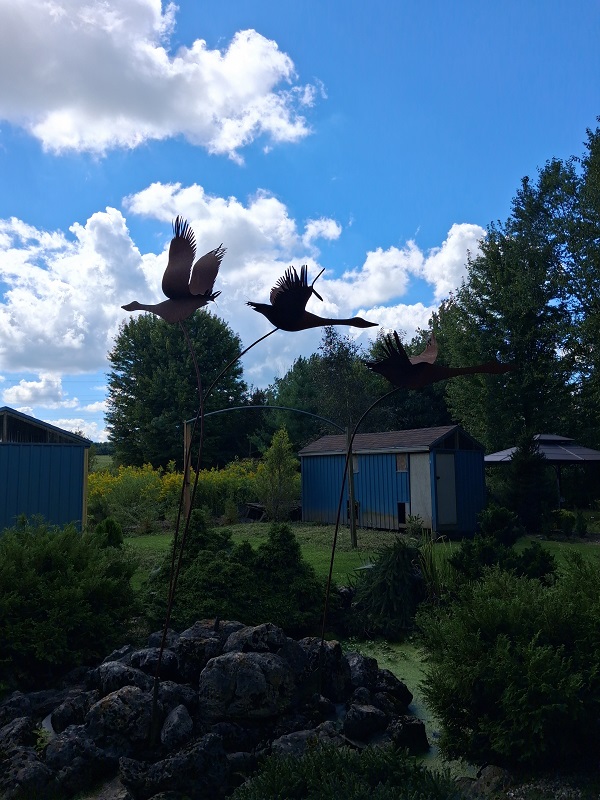
The site houses one of the world’s largest public conifer collections with roughly 2,500 varieties, species, and hybrids—including rare specimens like the critically endangered Baishan fir and Canada’s only foxtail pine. Starting with major donations beginning around 2013, the public peony collection expanded to roughly 1,300 varieties, making it the largest collection of its kind in North America. The gardens display upwards of 4,500 total plant types. The property is expansive, thoughtfully designed, and full of distinct garden areas that each feel like their own little world. You’ll find formal gardens, winding woodland paths, colourful perennial borders, and beautifully maintained themed sections that showcase rare and unusual plants.
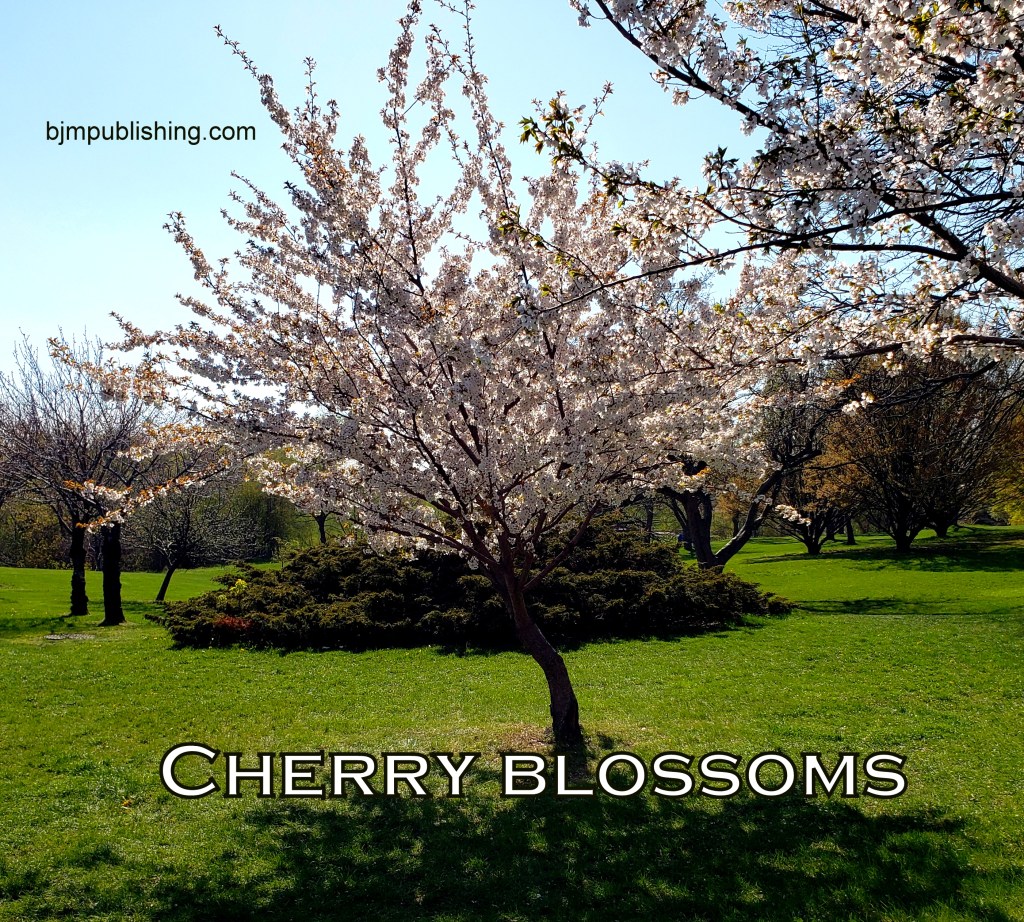
The spring brings the Peony season that opens May 15th until about June 30th. There are displays that offer 400 varieties of iris in May, along with magnolia, red bud, and other flowering trees. During the summer months from July to mid-August there are summer blooms of Lilies, Echinacea, Red Hot Pokers, Gaillardia and lots more. As the season changes to Autumn, fall perennials and Ornamental Grasses are features. Streams, ponds, cascades, as well as cottage garden strolls, magnificent formal gardens and European influenced architecture all await you. It’s a perfect place for exploring, relaxing, and enjoying a peaceful day outdoors. Whether you love horticulture or simply want a serene escape, Whistling Gardens is a must-visit.
Note: There are many benches for a short rest strategically placed in the Gardens, mostly memorial benches for a family member, and a picnic area where you can bring in a lunch. All in all, a great way to spend the day.