The song “Fallen Angel” was written and released by Robbie Robertson in 1987 as a deeply personal tribute and prayer for his former bandmate from The Band, Richard Manuel, who tragically passed away on March 04 1986 by suicide at the age of 42. The track featured backing vocals from Peter Gabriel, while fellow The Band member Garth Hudson played keyboards on the song.
Manuel struggled with severe, long-term alcoholism and drug addiction for years and dealt with severe depression, a loss of confidence, and career struggles following the 1976 breakup of the original group (which was famously documented in The Last Waltz). Bandmates and colleagues later noted that the heavy touring schedule and demanding pace while trying to revive the group took a severe toll on his fragile state.
He was buried at the Avondale Cemetery in his hometown of Stratford, Ontario. Bandmate Rick Danko sang Bob Dylan’s “I Shall Be Released” at his memorial service. Stratford later honored him with a sidewalk star on Ontario Street and a memorial bench by the Avon River. He was posthumously inducted into the Rock and Roll Hall of Fame with The Band in 1994.
Possibly one of the most heartfelt tributes to a fellow musician I have ever heard. The whole album Robbie Robertson debut album is a must listen.
Note: It’s been 50 years since the Band’s 1976 farewell show that became the iconic concert film The Last Waltz, and a supergroup of Canadian artists will mark the anniversary with a Toronto tribute show. LW50: A Celebration of Bob Dylan and the Band will take place on November 25, 2026 at Massey Hall.
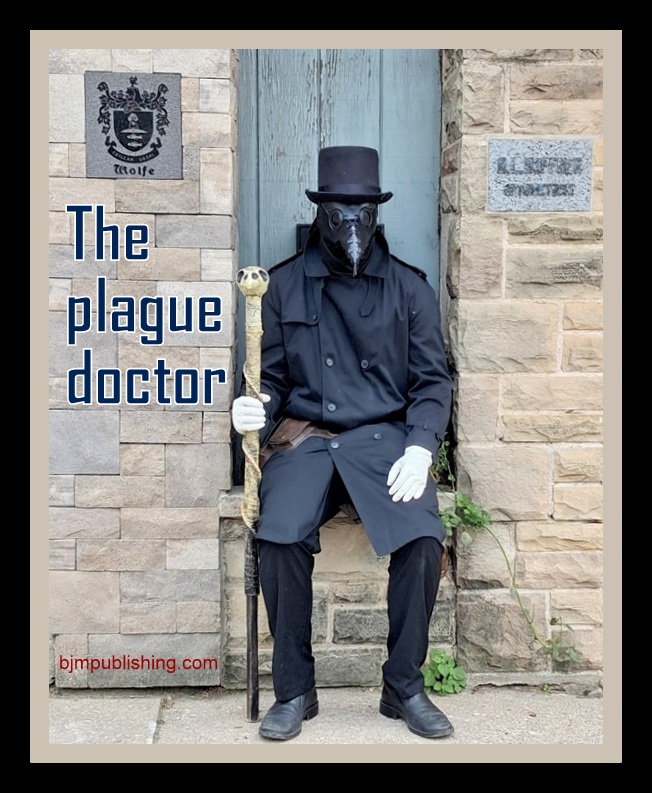
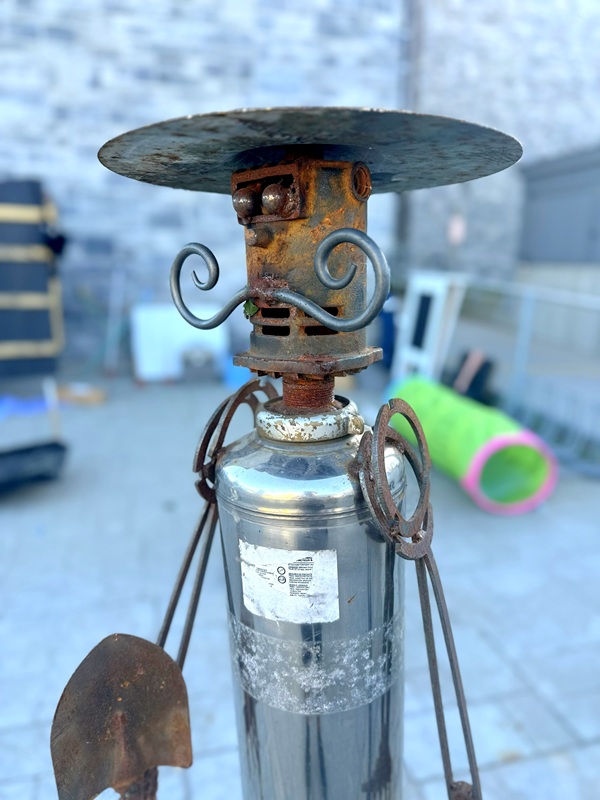
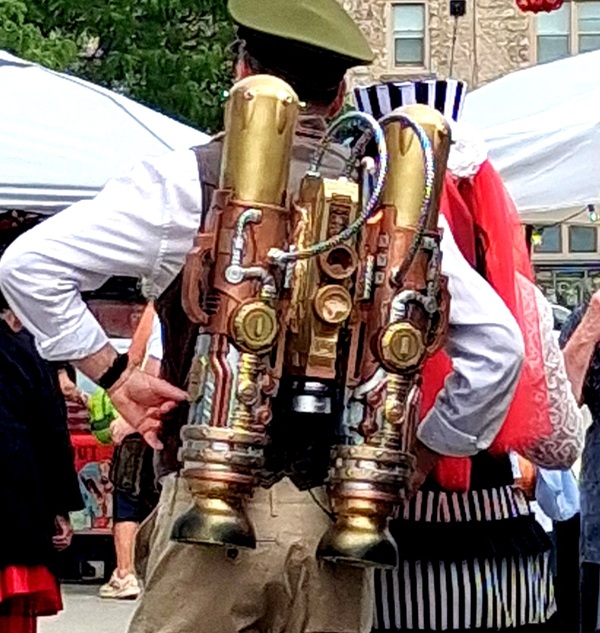
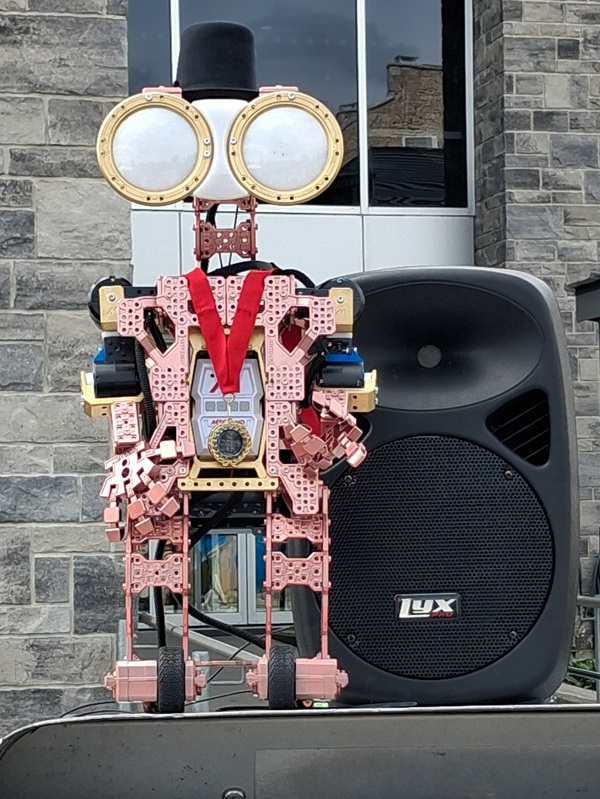
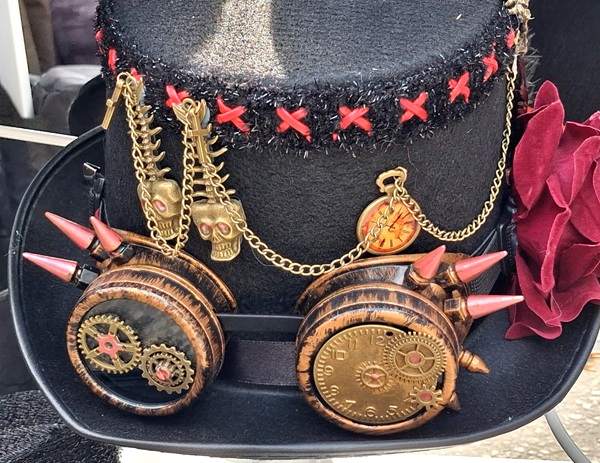
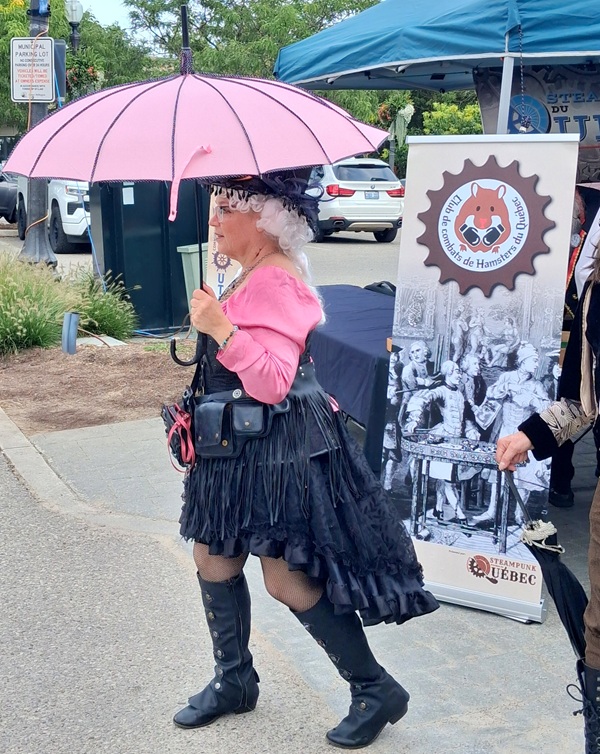
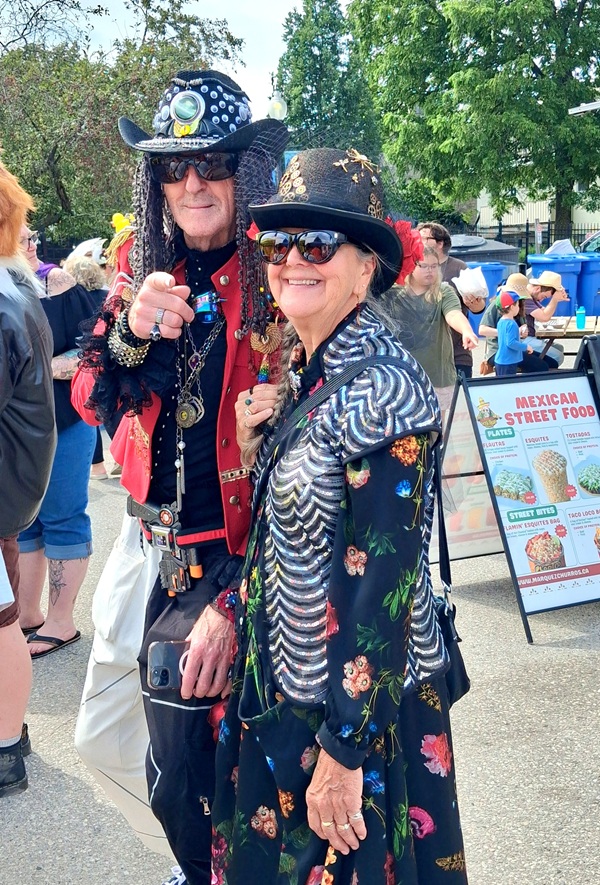
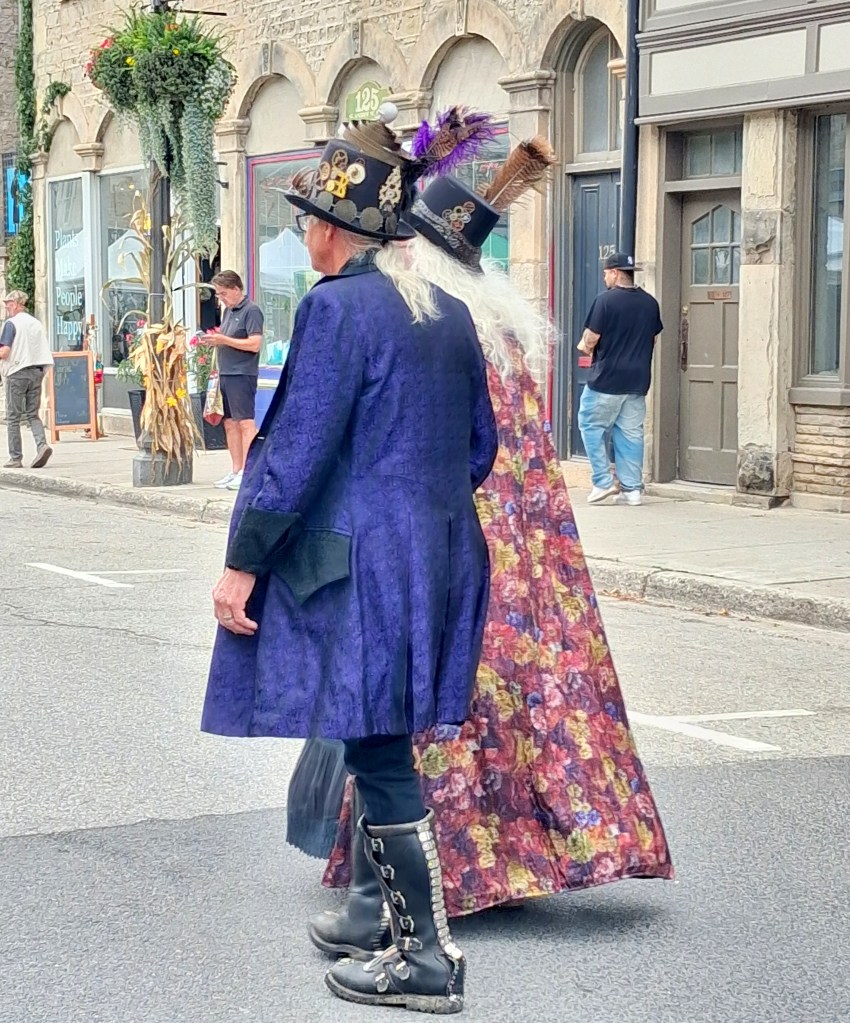
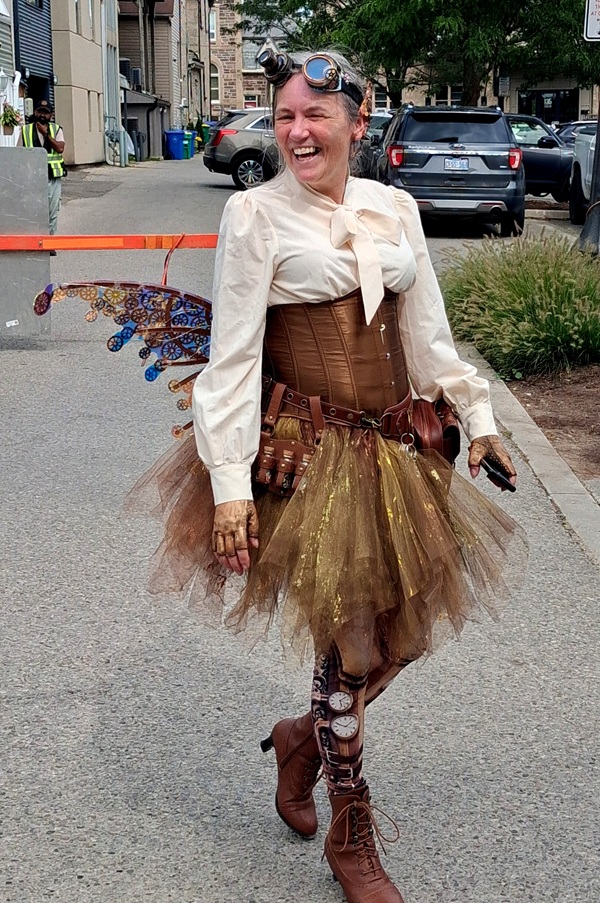
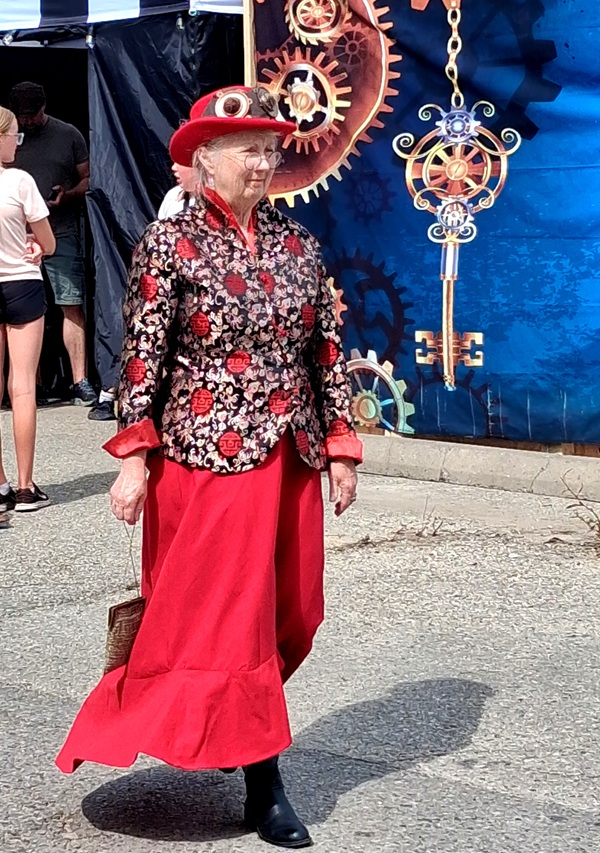
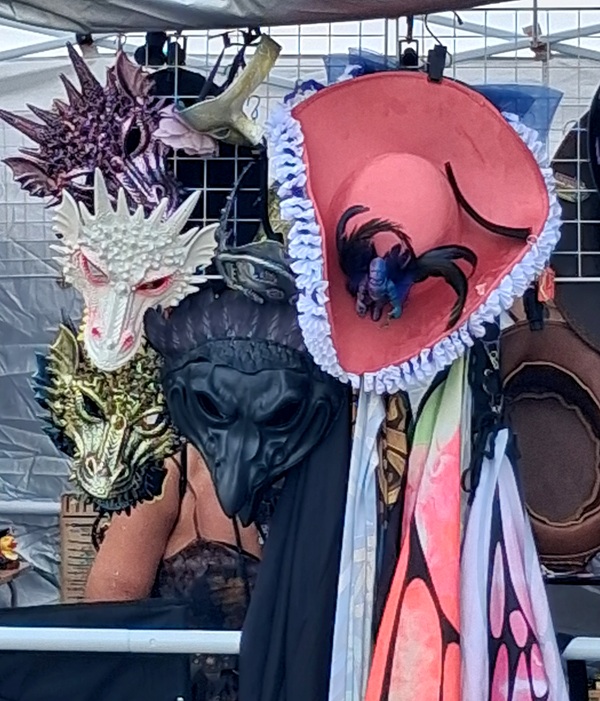
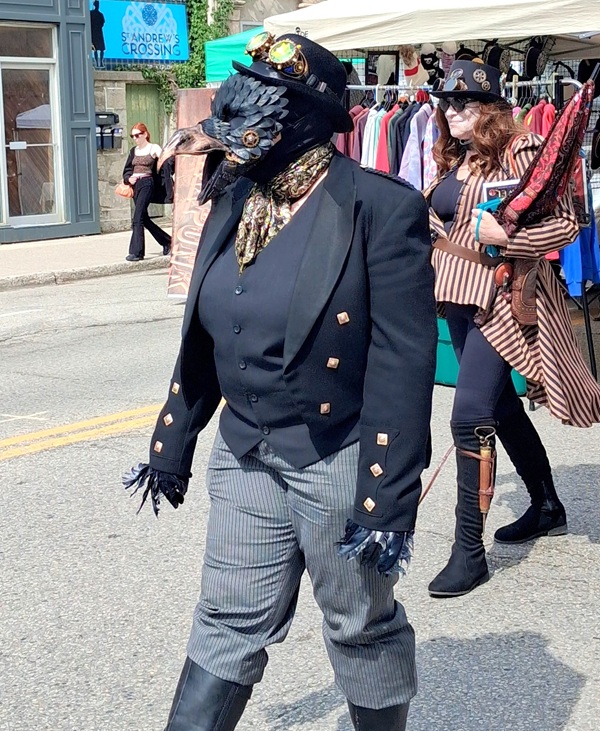
Photo above taken at the recent Cogs and Steampunk Festival in Fergus, Sept, 2026
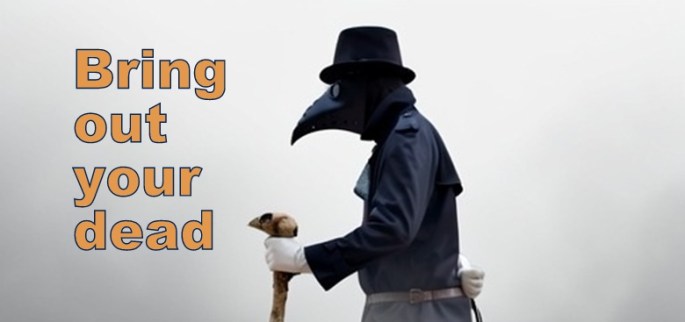
A plague doctor was a specialized municipal physician hired by towns and cities in Europe during 17th-century plague epidemics to treat victims, especially the poor who could not pay. These physicians wore this unsettling outfit to protect themselves from the plague. It was an early version of the present-day personal protective equipment (PPE).
What They Meant and Symbolized
Harbingers of Death: Because they usually arrived only when an outbreak began and rarely cured anyone, seeing a plague doctor meant that severe illness or death was nearby.
Public Record Keepers: Beyond medical care, their role meant documenting the dead, counting infection numbers, witnessing wills, and performing autopsies for demographic and civic data.
A Symbol of Fear: Over time, the terrifying medical uniform transformed into a popular Carnival of Venice character, symbolizing mystery, history, and a memento mori (a reminder of mortality).
The Iconic Costume
The Beaked Mask: The mask featured a long bird-like beak stuffed with strong herbs, spices, and camphor. People believed disease spread through “miasma” (poisonous “bad air”), and the herbs were meant to filter or purify it.
Protective Suit: They wore a head-to-toe heavy waxed leather or canvas robe, boots, and gloves. While designed to block bad air, it accidentally offered minor protection against bodily fluids and flea bites. The hat was worn to make people aware that they were physicians. The cloak and gloves were worn to prevent skin-on-skin contact with patients.
The Wooden Wand: Doctors carried a cane or stick to examine and point at patients without having to touch them.
I would imagine that seeing this frightening figure morph out of a misty morning fog, even if you were near death; you’d jump up and run for cover.
The Lovin’ Spoonful was a popular American folk-rock band formed in Greenwich Village, New York City, in 1964 by primary songwriter John Sebastian and guitarist Zal Yanovsky.
The group took their name from a lyric in Mississippi John Hurt’s song “Coffee Blues”. Their style blended folk, blues, jug-band music, and rock and roll, which they called “good-time music”. Beginning in 1965 with “Do You Believe in Magic,” the band achieved seven consecutive Top Ten US hits in 18 months, including “Daydream,” “Did You Ever Have to Make Up Your Mind?”, and their chart-topping number-one hit “Summer in the City”
Recently I started doing water color painting again and turned a photo of the result into a poster about music which I do on a regular basis. Hope you enjoy this and I will be writing something in the near future regarding the subject of the painting – Merlin in an upcoming post. So….do you believe?
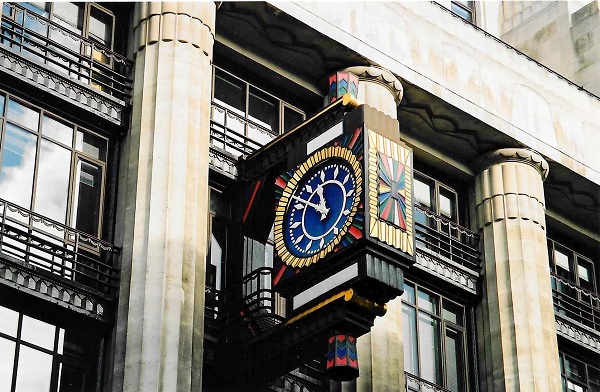
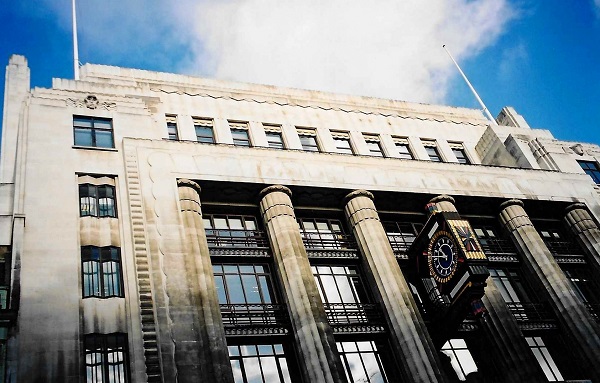
The former Daily Telegraph Building (also known as Peterborough Court or Peterborough House) was located at 135–141 Fleet Street. It features a prominent, ornate Art Deco/Art Nouveau style public clock projecting over Fleet Street. The iconic, jewel-toned clock is highly celebrated for its bright blue and gold face decorated with geometric sunburst patterns.
The Portland stone facade is heavily framed by massive, stylized fluted columns (pillars) with stepped capitals. The building’s monumental facade stretches across the upper storeys; giving the structure its powerful, temple-like presence on the street.
Daily Telegraph
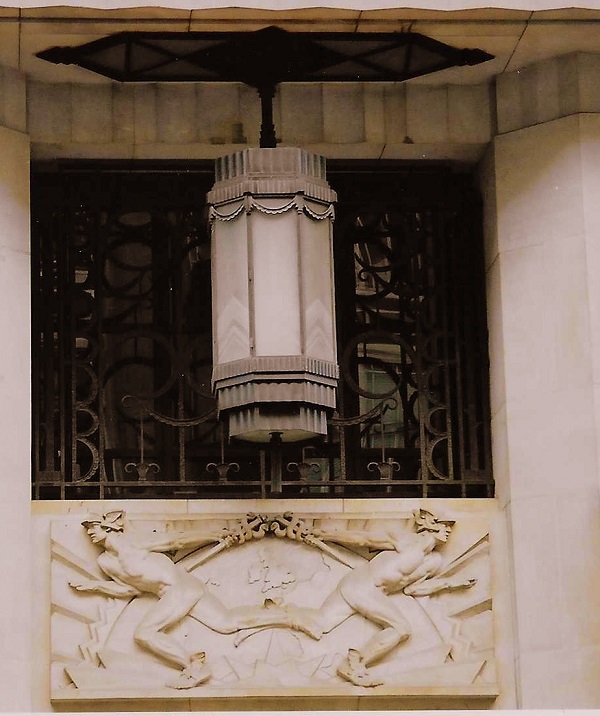
Directly above the main metalwork entrance doors sits a beautiful bas-relief panel carved by Alfred James Oakley depicting two stylized, wing-footed figures of Mercury (the Roman god of communication and messages) back to back and flying over a stylized globe – symbolizing the global transmission of news (Fitting for a newspaper company.)
Designed by architect Charles Ernest Elcock in consultation with Thomas S. Tait, the Daily Telegraph building was constructed between 1927 and 1928. It represents monumental Art Deco blended with Neo-Egyptian and Greco-Roman revival motifs. with top-floor winged mask sculptures (The Past and The Future) by Samuel Rabin, and an entryway bas-relief depicting the winged god Mercury by Alfred James Oakley. Served as the long-time headquarters for The Daily Telegraph from 1928-1980. The building was also referred to as Peterborough Court, referencing the medieval residence of the Bishop of Peterborough on Fleet Street. After the newspaper migrated away, the building was adapted as the European headquarters for Goldman Sachs.
Underwent a major multi-million-pound restoration and structural refurbishment through January 2023 to 2025 to modernize the interior spaces. Nearly 300,000 square feet of former investment banking space were remodeled into Grade A commercial office space, multi-functional courtyards, and ground-floor retail/restaurants. Designed as a green refit, retaining existing structural elements while converting the building into a 100% all-electric, low-carbon facility.
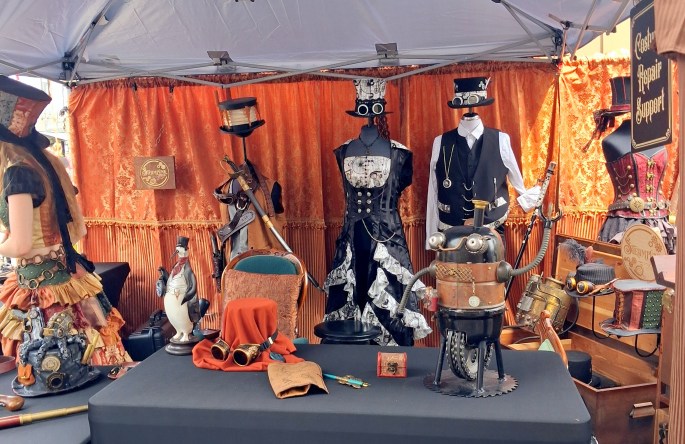
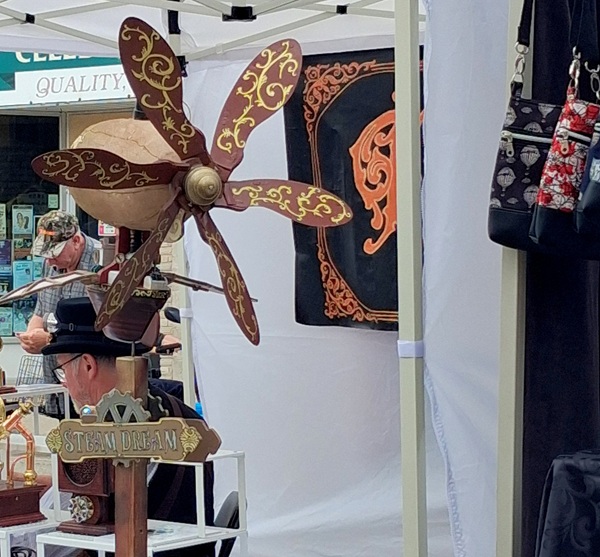
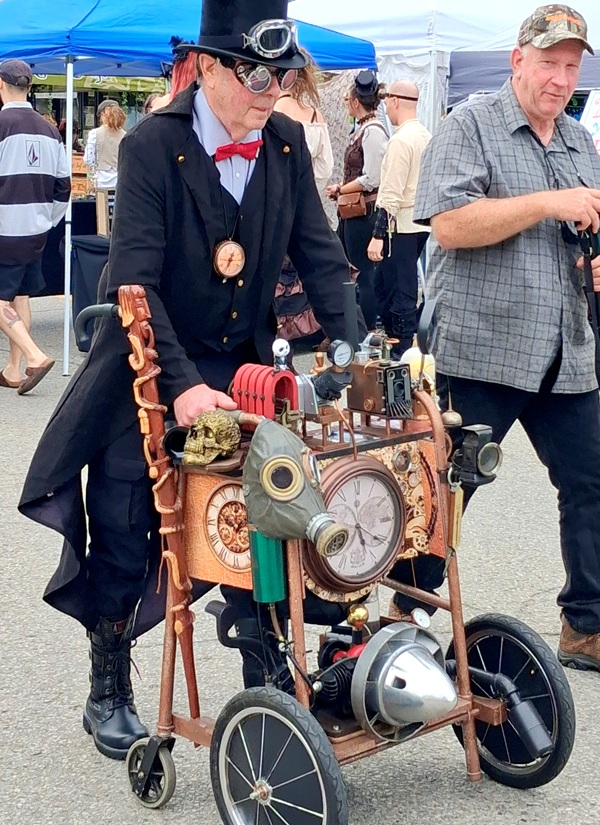
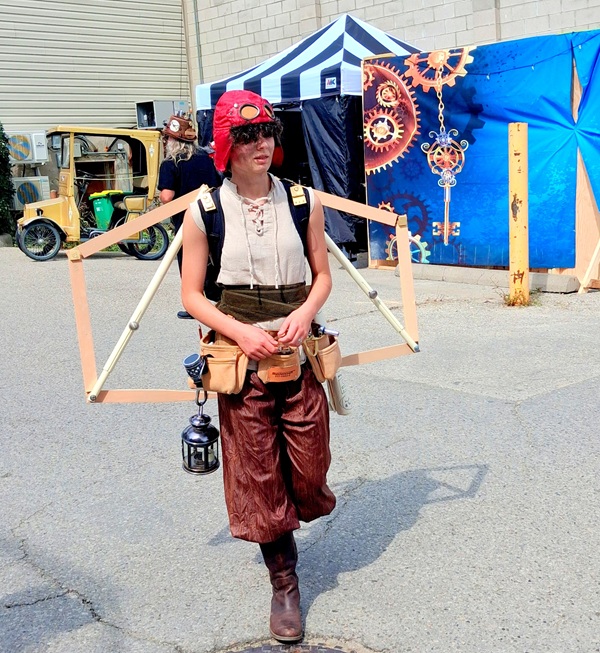
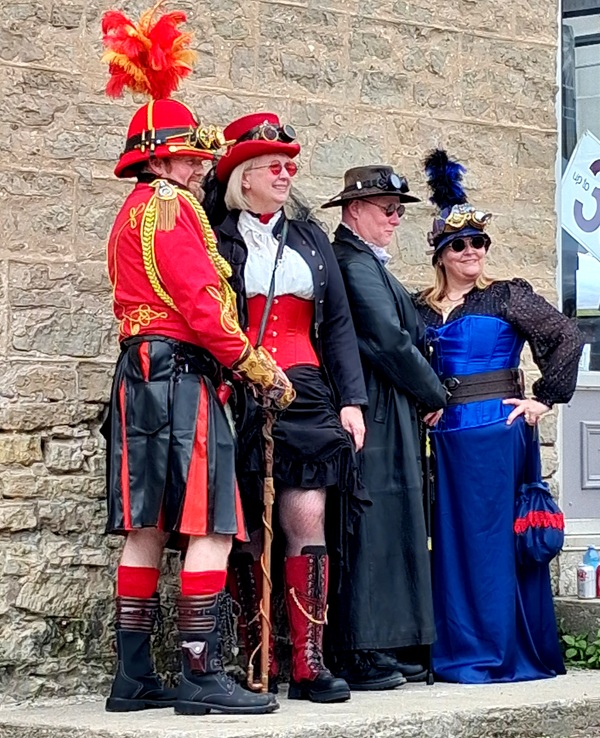
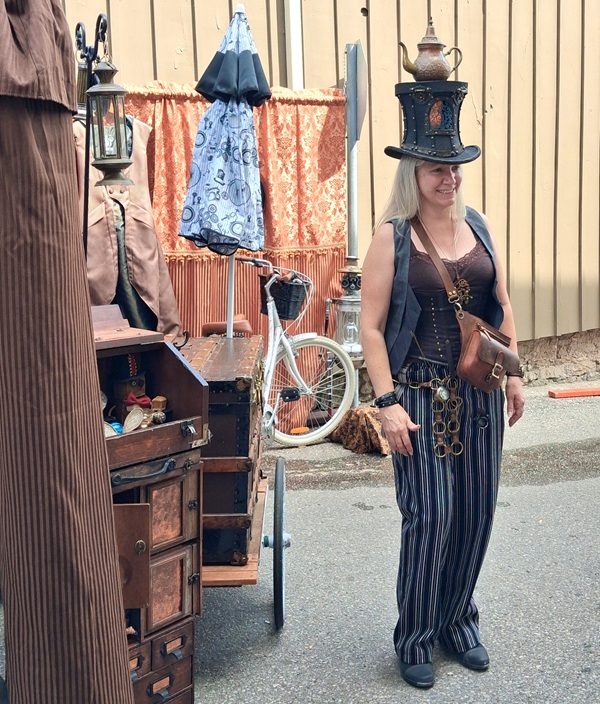
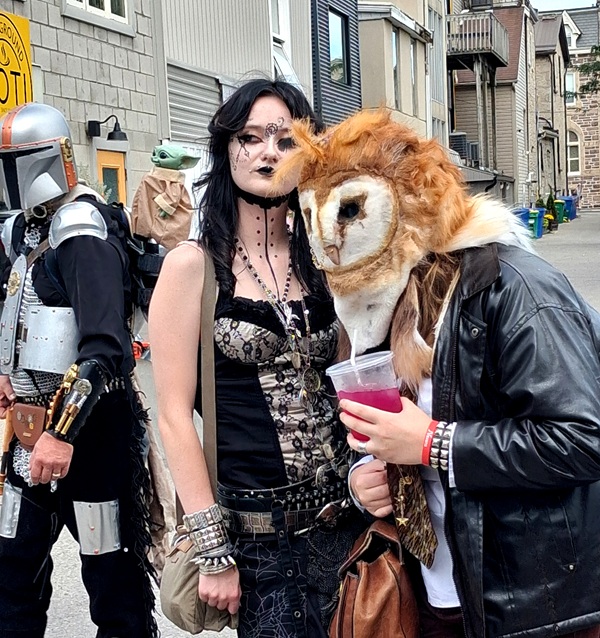
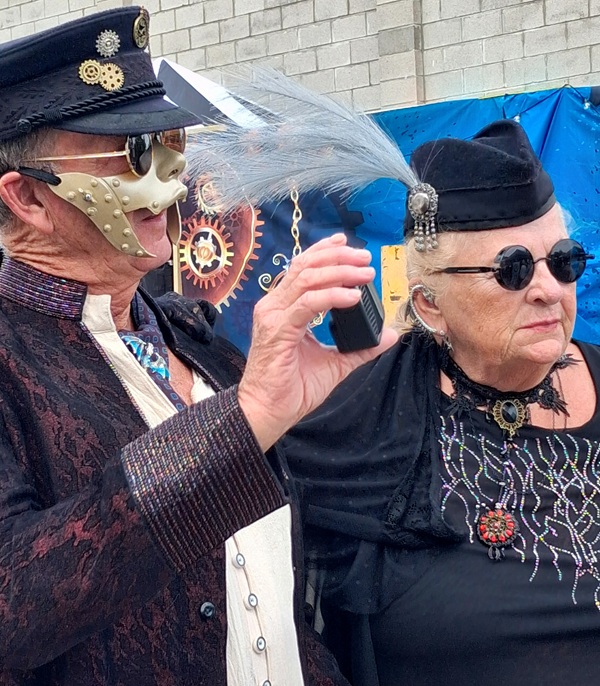
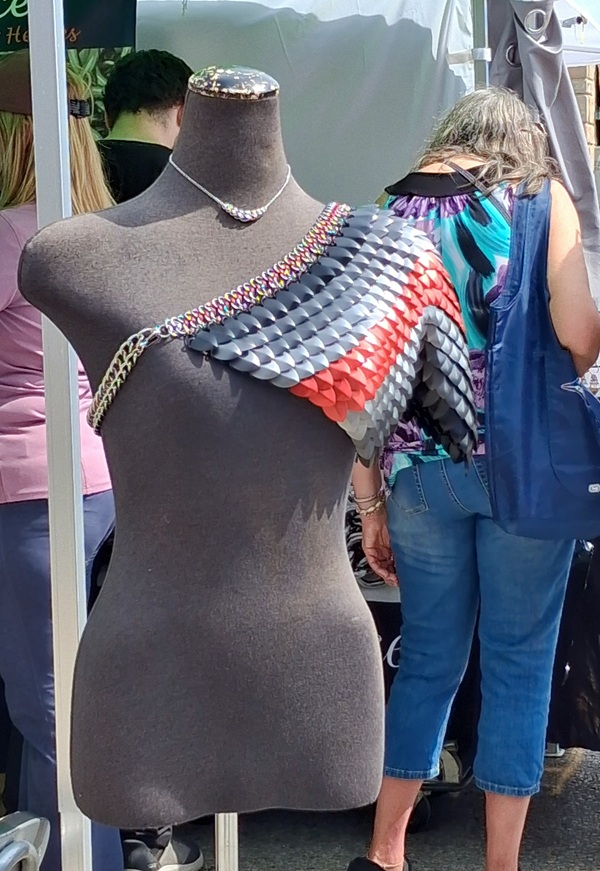
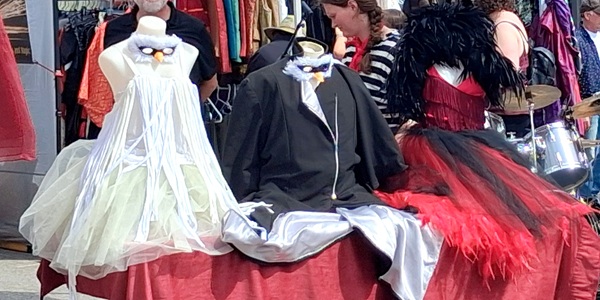
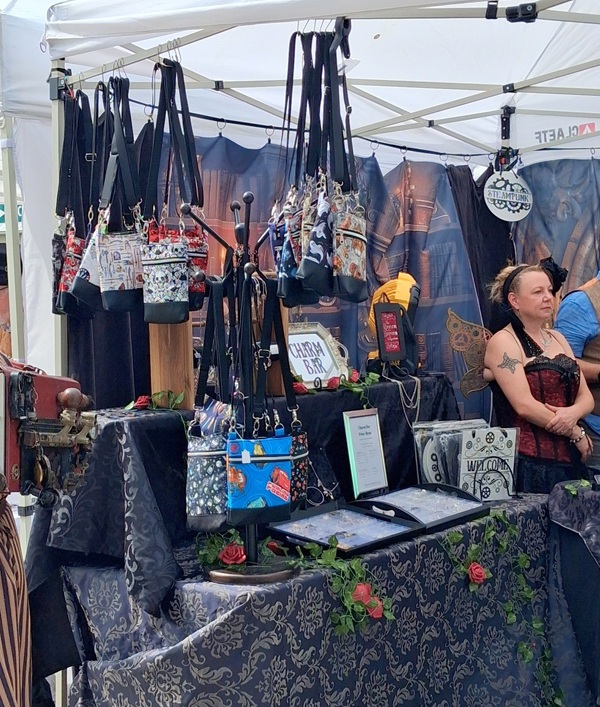
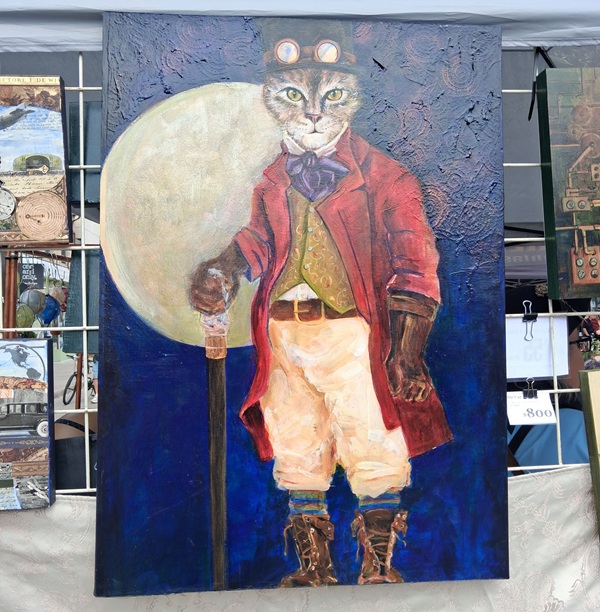
The 4th annual Festival hosted by Fergus, Ontario this past weekend, and my first visit. It will certainly not be the last. The costumes, the people, the incredible creativity and the friendliness of the occasion was off the charts.
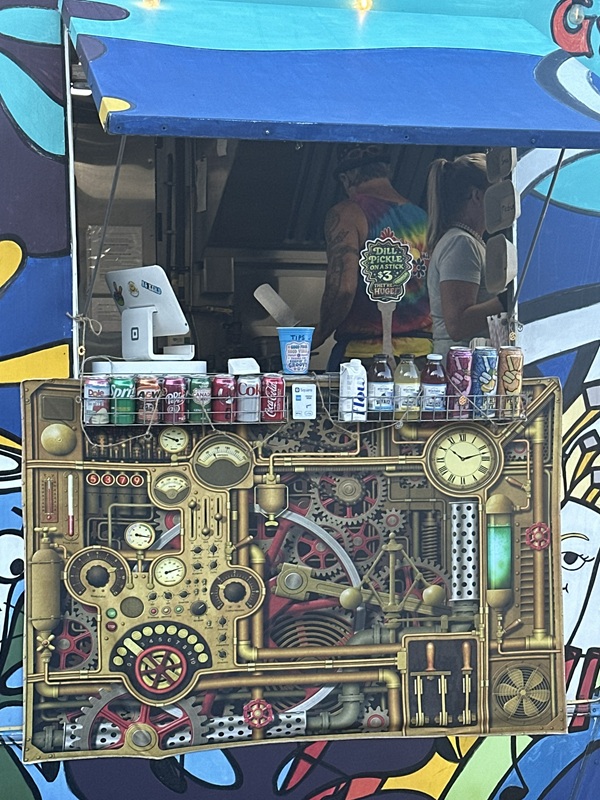
Steampunk is a subgenre of science fiction and a lifestyle movement that imagines an alternate world where 19th-century steam power and clockwork machinery kept advancing instead of being replaced by electricity and electronics. Machines run on steam, gears, cogs, brass pipes, and dials rather than digital microchips.
Stories and styles typically take place during the 19th-century Industrial Revolution or an imaginary Victorian/Edwardian era. While it borrows from the 1980s cyberpunk naming convention, the “punk” in steampunk represents a DIY crafting ethic, independence, and a rebellion against modern disposable consumer culture but pretty much anything goes. Goth, Victorian, the Mandalorian, explorers, plague doctors, Poe, fairies, Around the world in 80 days, and numerous other influences from Jules Verne to H.G. Wells.
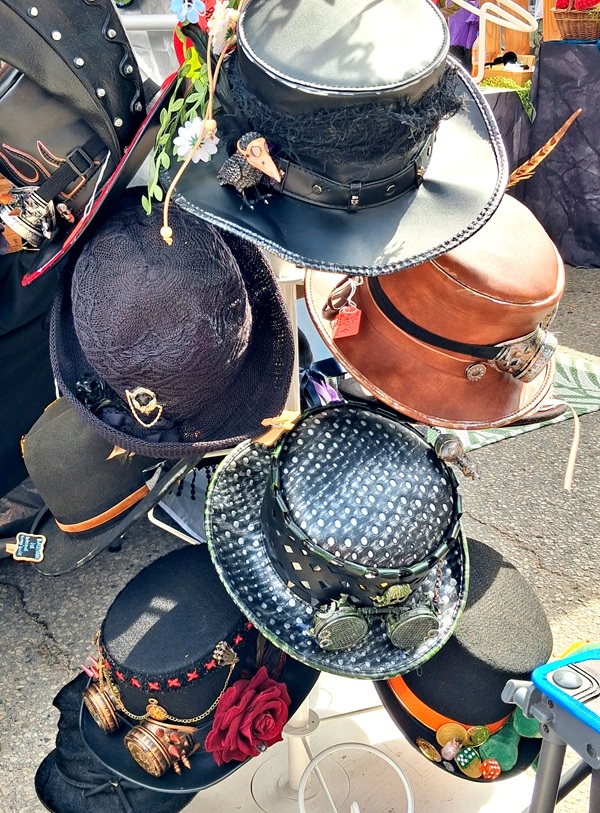
The main aspect is having fun with whatever you choose to create and making friends and having a good time. People often wear top hats, corsets, leather goggles, and brass accessories. Most people start out with an elaborate hat and accessorize as they attend more events as there are booths full of great ideas. Gathering a mood board and collecting small hardware items like springs, old keys, and gears is a good way to start any steampunk crafting session.
Key Clothing Pieces
Corsets and Waist Cinchers: Worn over blouses or shirts to create a classic Victorian silhouette.
Vests and Waistcoats: Structured layers in velvet, brocade, or tweed for both men and women.
Shirts and Blouses: High-neck ruffled blouses or crisp collared button-downs.
Skirts and Trousers: High-waisted, tiered, or asymmetrical skirts (often shorter in the front and longer in the back) paired with tailored or striped trousers.
Essential Accessories
Goggles and Spectacles: Often worn perched on a top hat or across the forehead.
Hats: Top hats, bowler hats, or feathered mini-pillbox hats and fascinators.
Gear and Timepieces: Pocket watches on chains, brass jewelry, and decorative cogs.
Footwear and Gear Bags: Sturdy leather lace-up boots and utility belts with pouches or satchels
vendorbirdman
The Steampunk Capital of the world is in Oamaru, New Zealand.
Steampunk HQ was founded in 2011 by a group of creative minds (Don Patterson, Jac Grenfell and Brian de Geest), who were passionate about Steampunk, and showcasing it to the public. They are constantly working with talented individuals to collaborate on projects and expand their collection.
Steampunk HQ promotes sustainability and recycling; it features an interesting collection of retro-futuristic sci-fi art, movies, sculpture and sound.
Oamaru’s Victorian precinct (historical building) is the perfect setting for steampunk, as the architecture is a great backdrop for this alternative version of 19th century England.
Let me know if you have attended a similar festival and what you liked most about it!
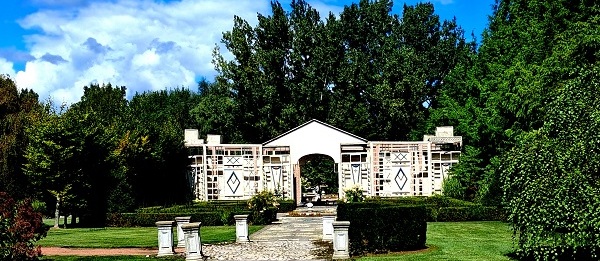
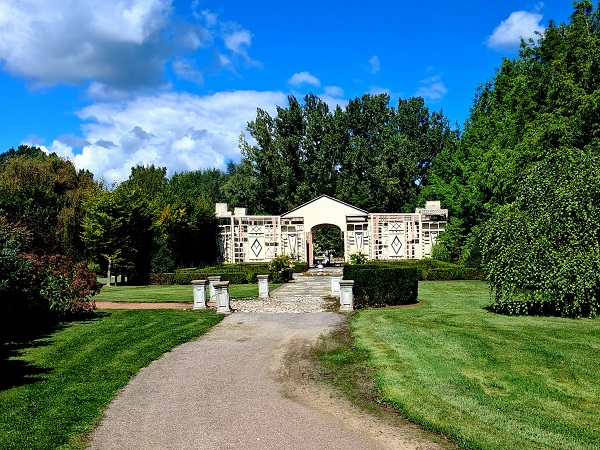
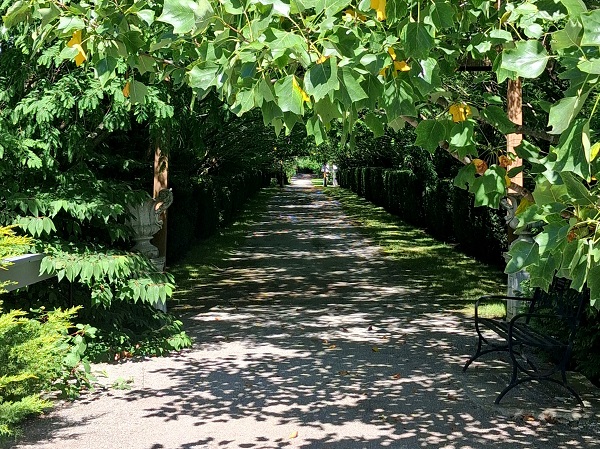
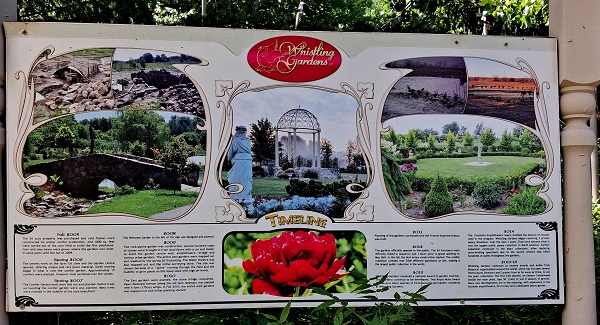
Whistling Gardens in Wilsonville, Ontario was established in 2012 by founders Darren and Wanda Heimbecker, who transformed a former 20-acre cornfield into an award-winning botanical landscape. Not very old by garden standards but they have incorporated the right mixture of splendour and delight to keep you looking forward to what is around the next bend. You can see the entirety of the garden in about two hours but you can linger at several places and really take in the gardens in an afternoon or evening. Total cost for our visit was $37.95 (two adults) which might feel steep to some but strolling around here was almost magical and very peaceful. There are 4 km of walking paths that are wheelchair accessible. You can find Pheasants, Peacocks, Swans, Egyptian Geese, Serama (the smallest breed of chicken) in the aviary.
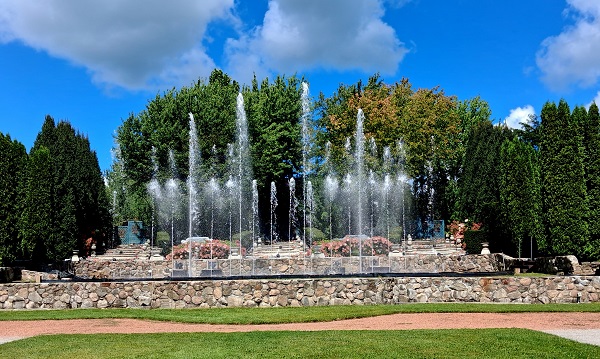
We arrived shortly before noon and caught the one o’clock water fountain show which lasts about 11 minutes and is choreographed to two pieces of music. Owner Darren Heimbecker engineered a massive computerized water theater featuring over 100 water jets set across three 90-foot staircases and a stage floor. The show that they feature at night is much more colourful and lasts almost an hour…so I guess we will have to go back sometime and see the gardens at night.
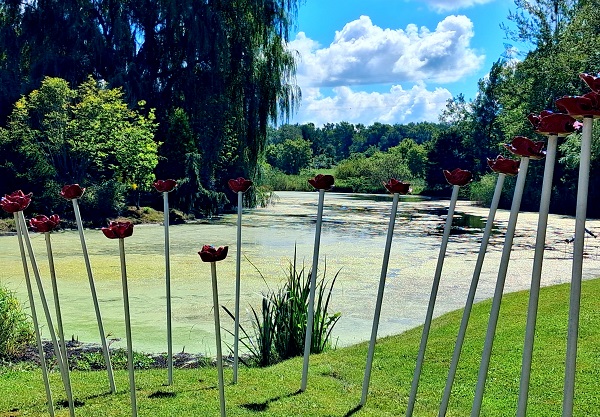
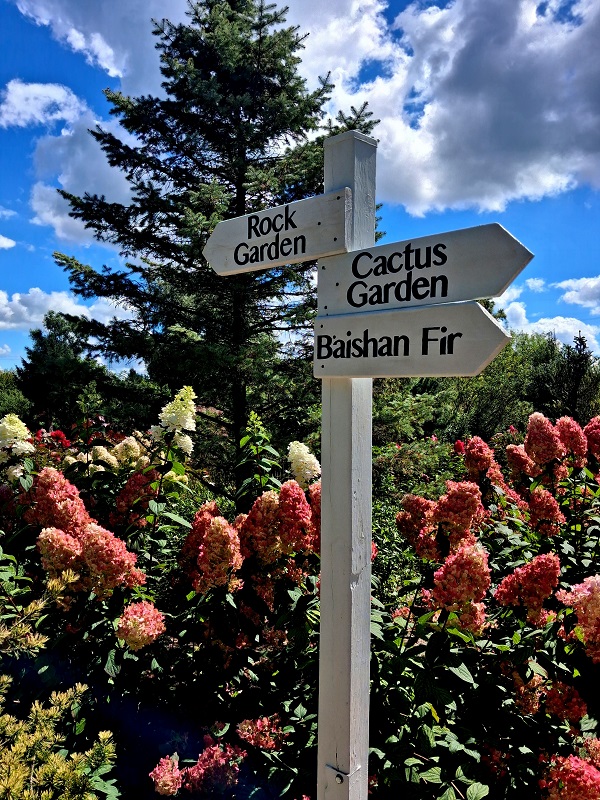
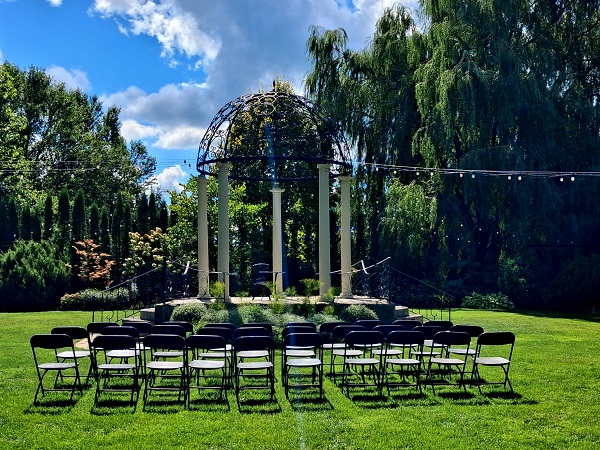
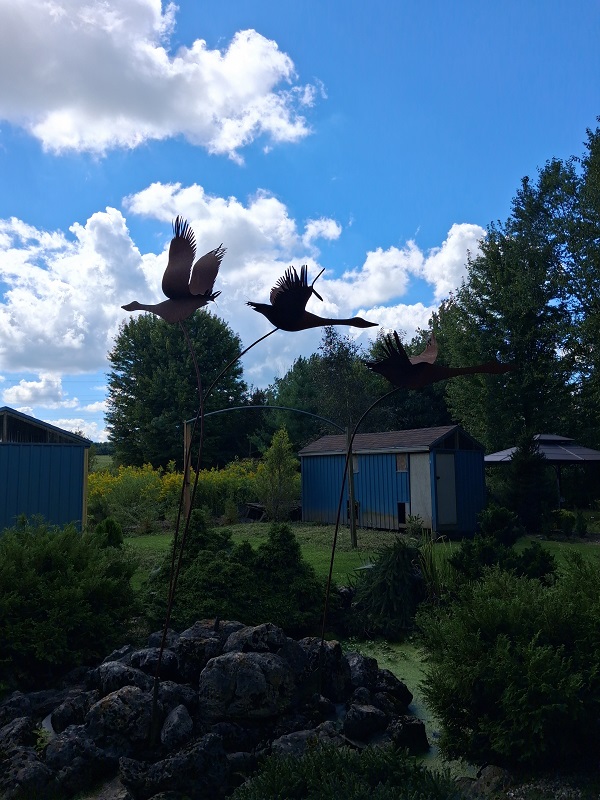
The lady at the front said the best time to see the Gardens is in June when the peonies are blooming so I may note that on my calendar for next year. We went on Labour Day Sunday and though there wasn’t an abundance of flowers, it was worth the time and money. They have an aviary with some pheasants and a peacock and a very loud rooster, two ponds, a rock garden, a temple garden for weddings and a cactus garden. They also have flush toilets as well as the usual porta potties.
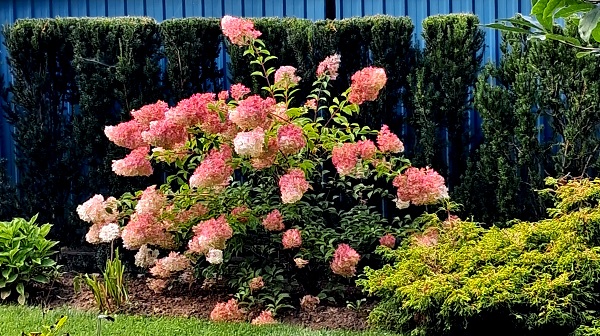
Hydrangea
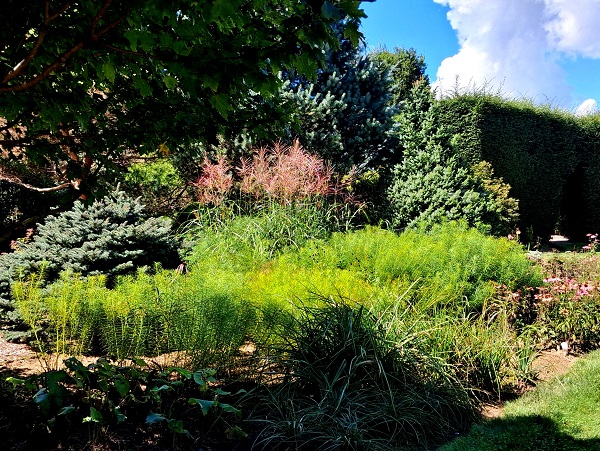
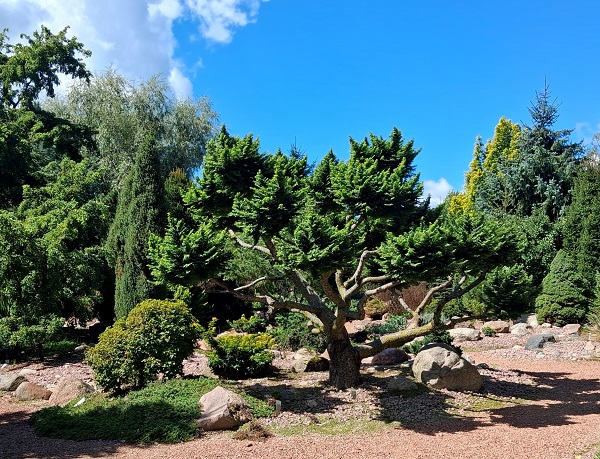
The site houses one of the world’s largest public conifer collections with roughly 2,500 varieties, species, and hybrids—including rare specimens like the critically endangered Baishan fir and Canada’s only foxtail pine. Starting with major donations beginning around 2013, the public peony collection expanded to roughly 1,300 varieties, making it the largest collection of its kind in North America. The gardens display upwards of 4,500 total plant types. The property is expansive, thoughtfully designed, and full of distinct garden areas that each feel like their own little world. You’ll find formal gardens, winding woodland paths, colourful perennial borders, and beautifully maintained themed sections that showcase rare and unusual plants.
The spring brings the Peony season that opens May 15th until about June 30th. There are displays that offer 400 varieties of iris in May, along with magnolia, red bud, and other flowering trees. During the summer months from July to mid-August there are summer blooms of Lilies, Echinacea, Red Hot Pokers, Gaillardia and lots more. As the season changes to Autumn, fall perennials and Ornamental Grasses are features. Streams, ponds, cascades, as well as cottage garden strolls, magnificent formal gardens and European influenced architecture all await you. It’s a perfect place for exploring, relaxing, and enjoying a peaceful day outdoors. Whether you love horticulture or simply want a serene escape, Whistling Gardens is a must-visit.
Note: There are many benches for a short rest strategically placed in the Gardens, mostly memorial benches for a family member, and a picnic area where you can bring in a lunch. All in all, a great way to spend the day.
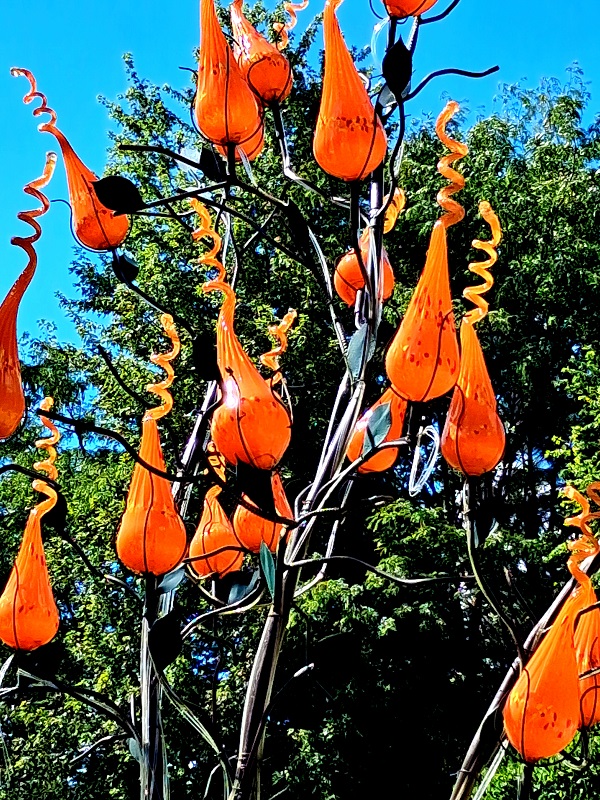
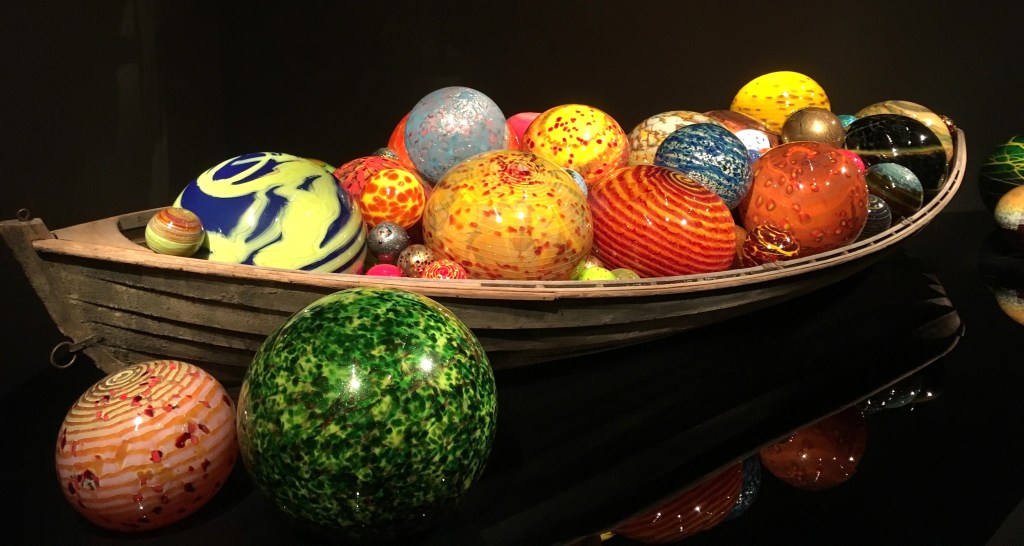
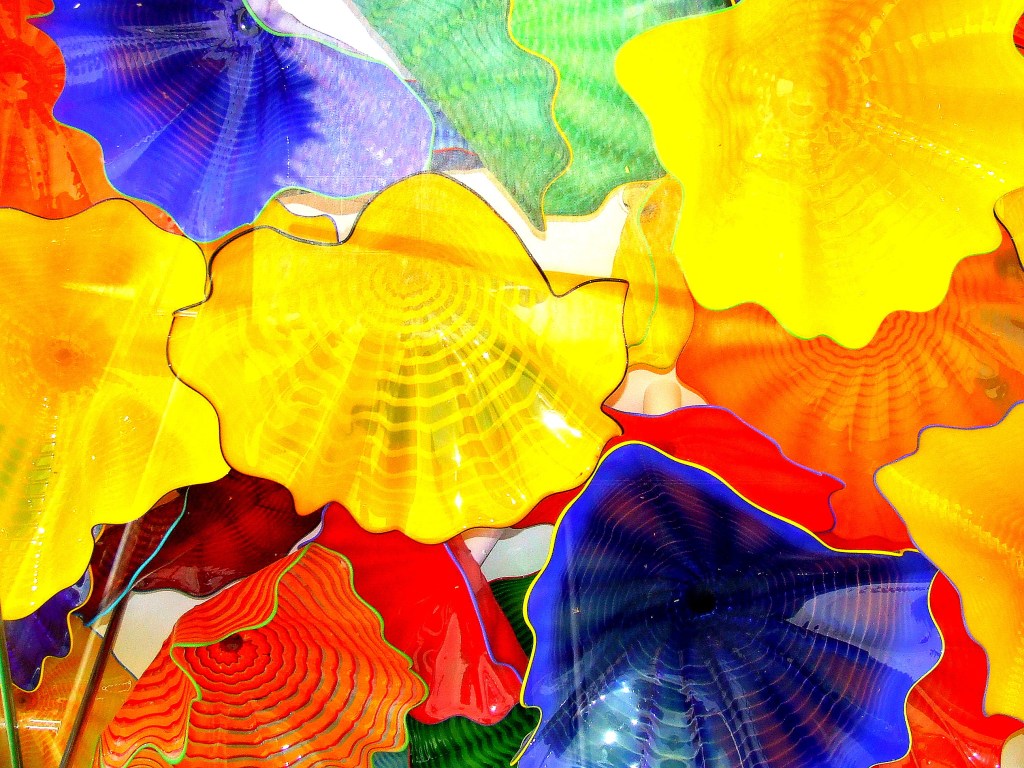
Dale Chihuly is a renowned American glass sculptor who has created a successful glass-blowing empire and has various works of art displayed throughout the world. His work is known for vibrant colors, organic shapes, and immense scale—often imitating natural forms like sea life, flowers, and botanical structures. Born in Tacoma, Washington, in 1941, Chihuly initially studied interior design at the University of Washington before taking up glassblowing.
In 1967, Chihuly earned the distinction of being the first American to work at the famous Venini glass factory on the island of Murano in Venice. His time there clearly influenced both his aesthetics and his glassblowing techniques. The team-based, fluid approach he learned there heavily shaped his collaborative studio model. Over the years he has created a number of masterful “Venetian” blown-glass works that look to the traditions of that city’s glass-making industry while also maintaining a striking sense of sculptural originality.
He co-founded the Pilchuck Glass School in Washington in 1971, turning the Pacific Northwest into a global hub for glass art. After a 1976 car accident cost him vision in his left eye, Chihuly stepped back from holding the blowpipe. Instead, he transitioned into an “orchestrator,” leading teams of master glassblowers to execute his vision. The Chihuly Garden and Glass complex at Seattle Center broke ground in 2011 and opened to the public on May 21st, 2012.
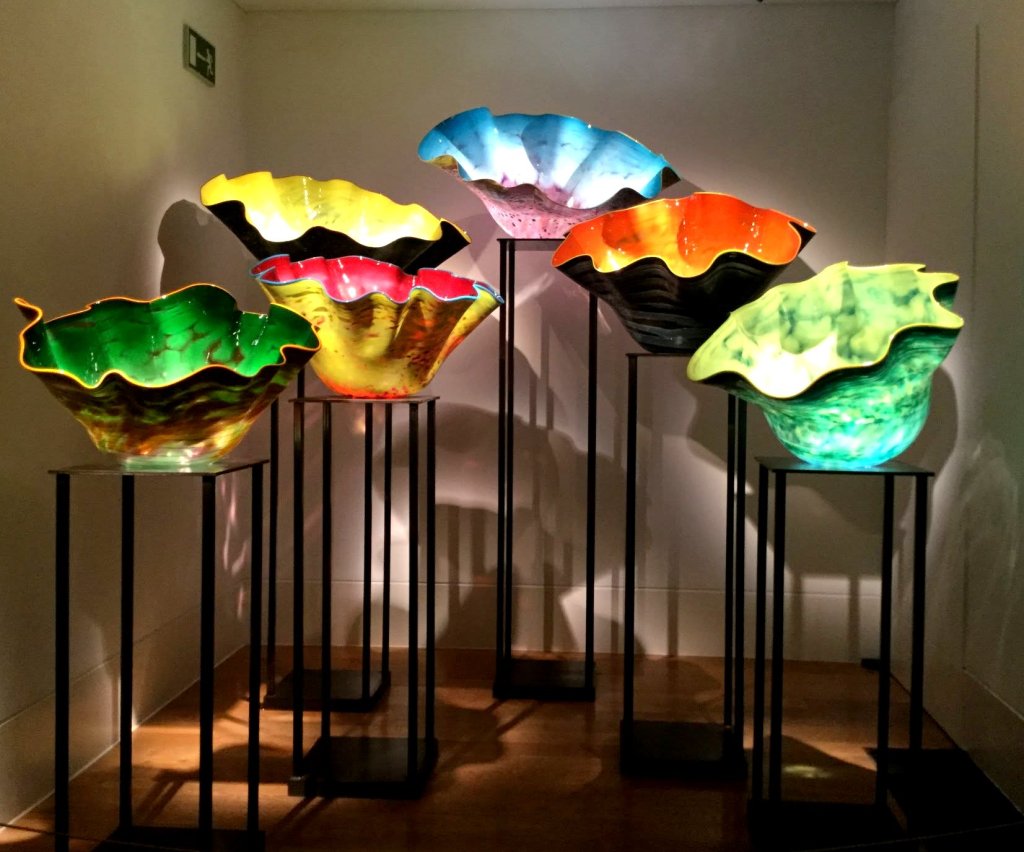
In 2016, The ROM (Royal Ontario Museum) featured an exhibition that showcased an extraordinary collection of glass in ways I had not seen before.
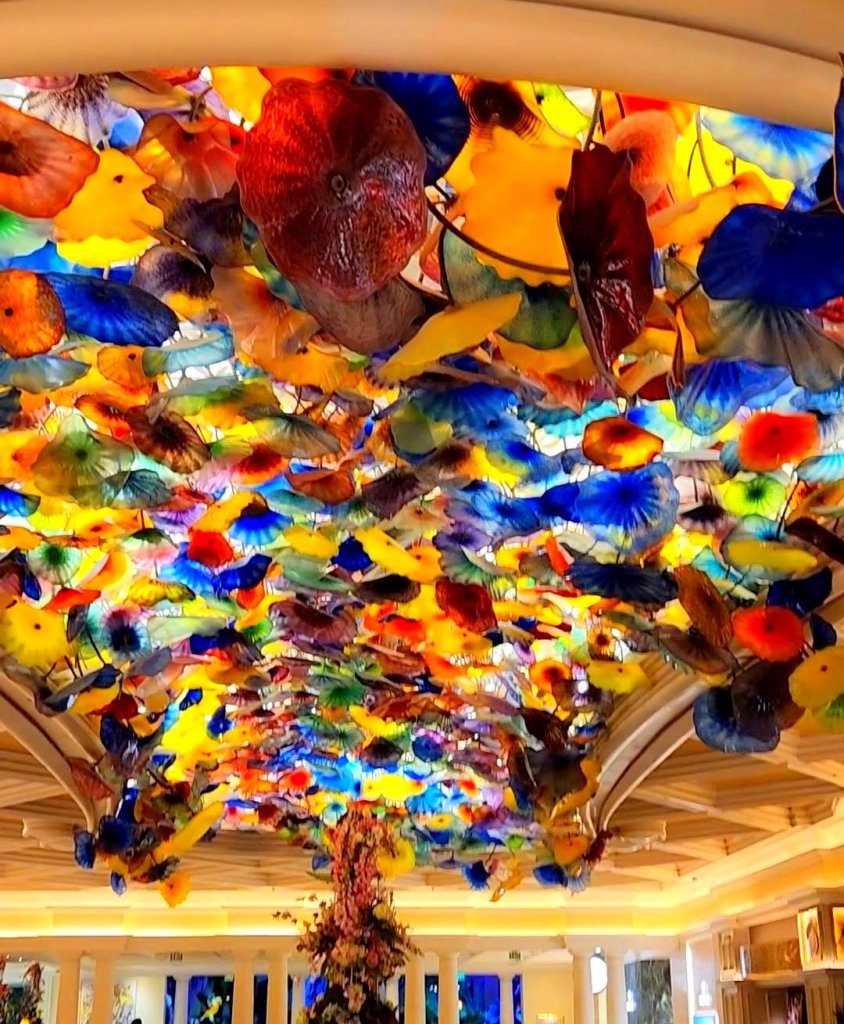
‘The Fiori di Como’ at the Bellagio Hotel covers 2100 square feet and contains over 2000 hand-blown glass blossoms and weighs 20 tons. It is an incredible feat of engineering and originality.
You can also find a glass Chihuly ceiling in the lobby of the Soho Hotel in Toronto.
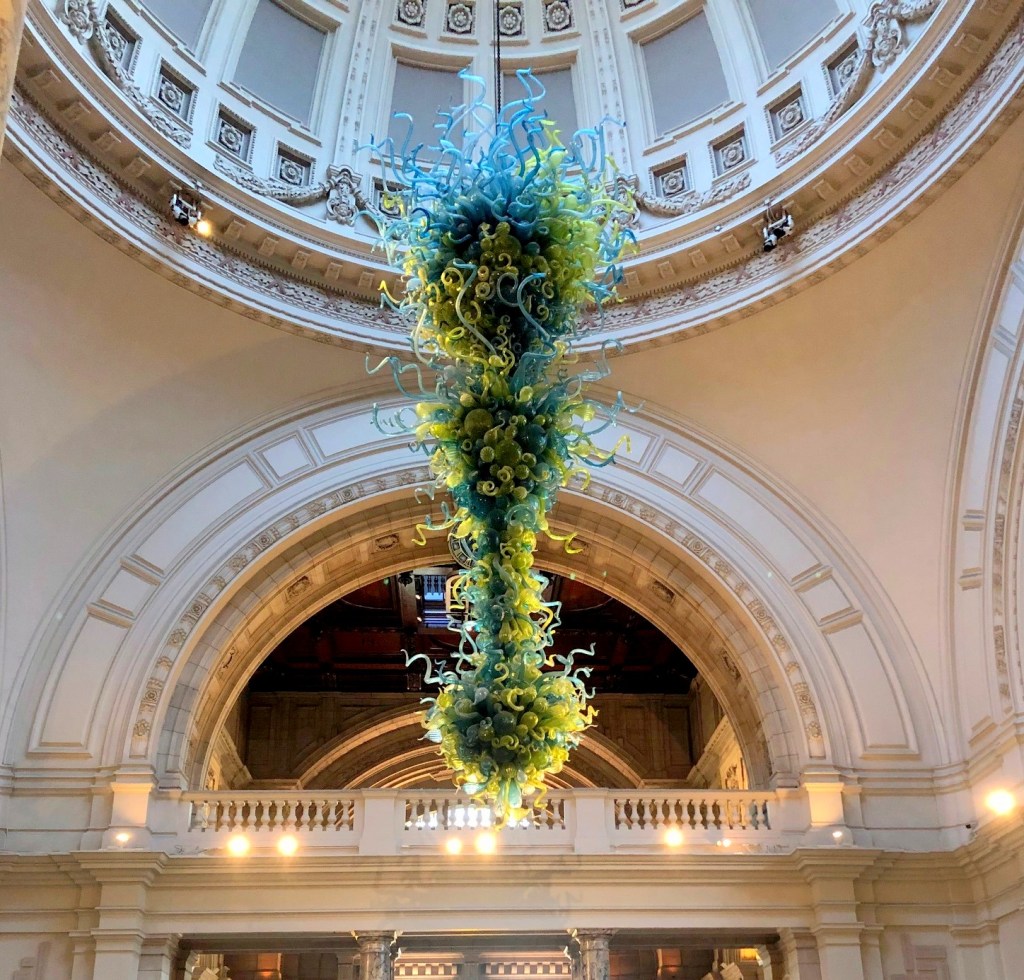
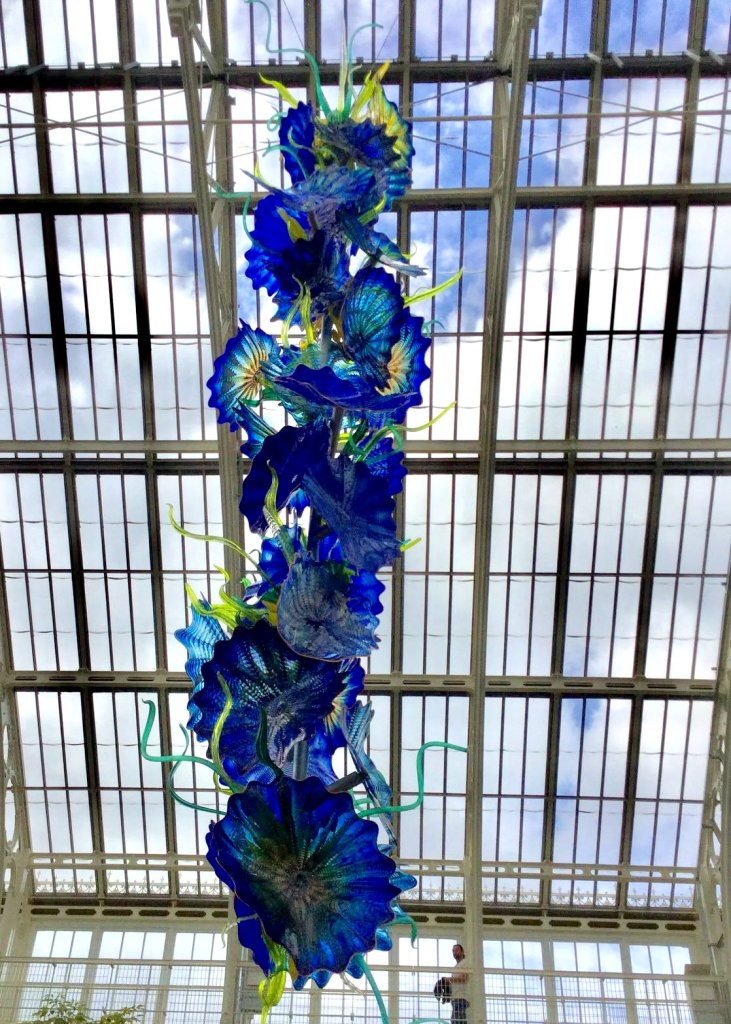
Suspended directly under the ceramic dome of the Victoria and Albert Museum’s main entrance on Cromwell Road is the V&A Chandelier; it is a massive, vibrant explosion of blue, green, and yellow blown glass. Another permanent commercial installation, the Amber and Gold Chandelier, is located inside Harrods of London.
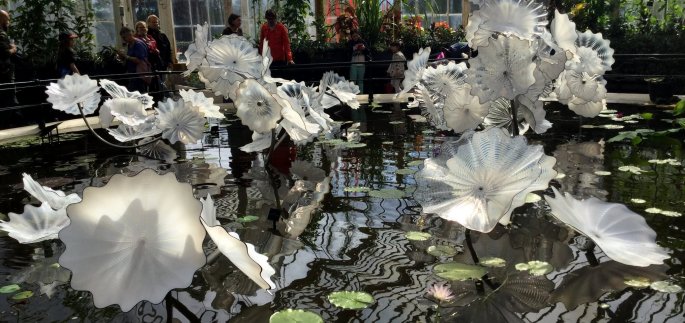
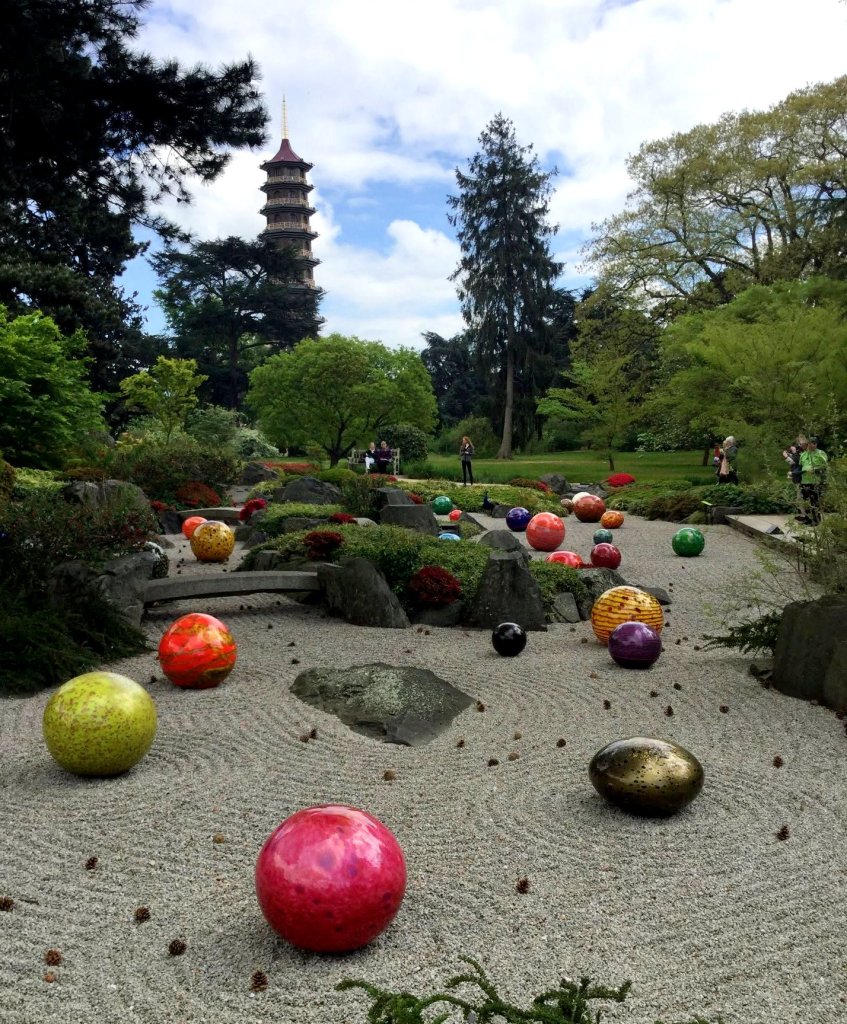
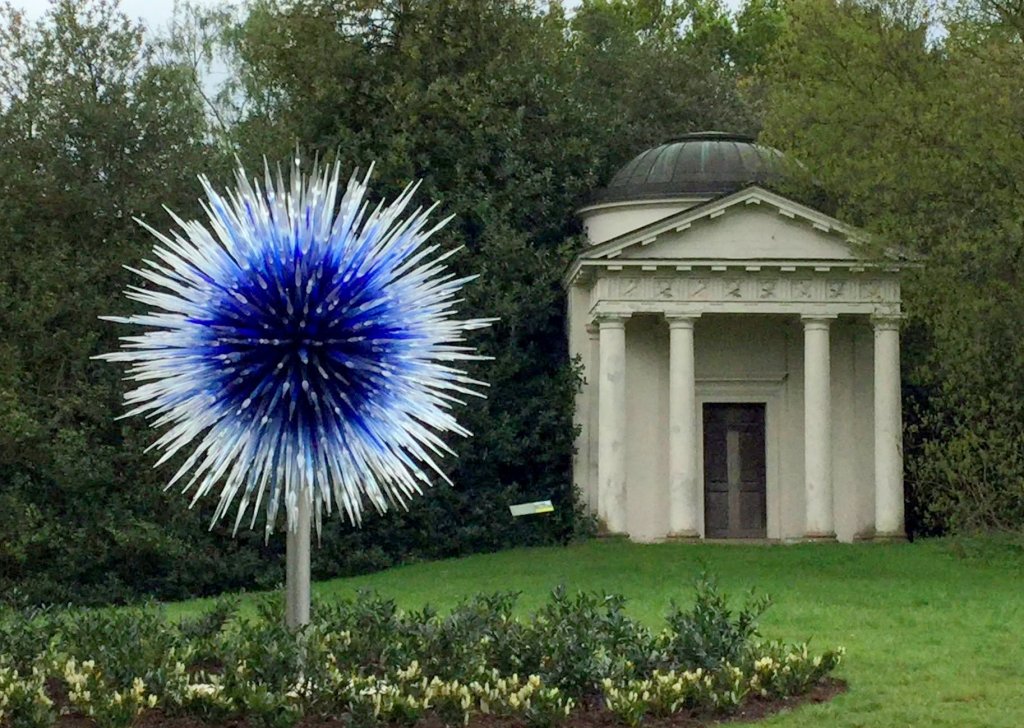
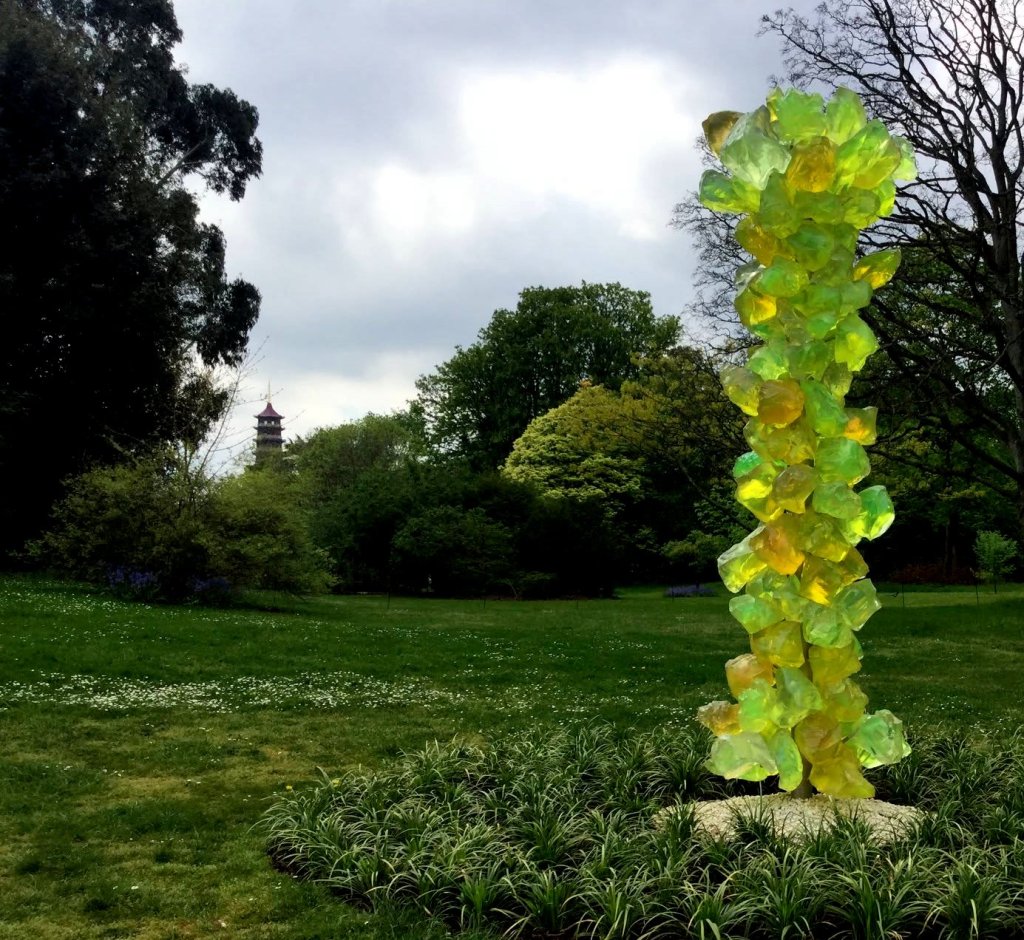
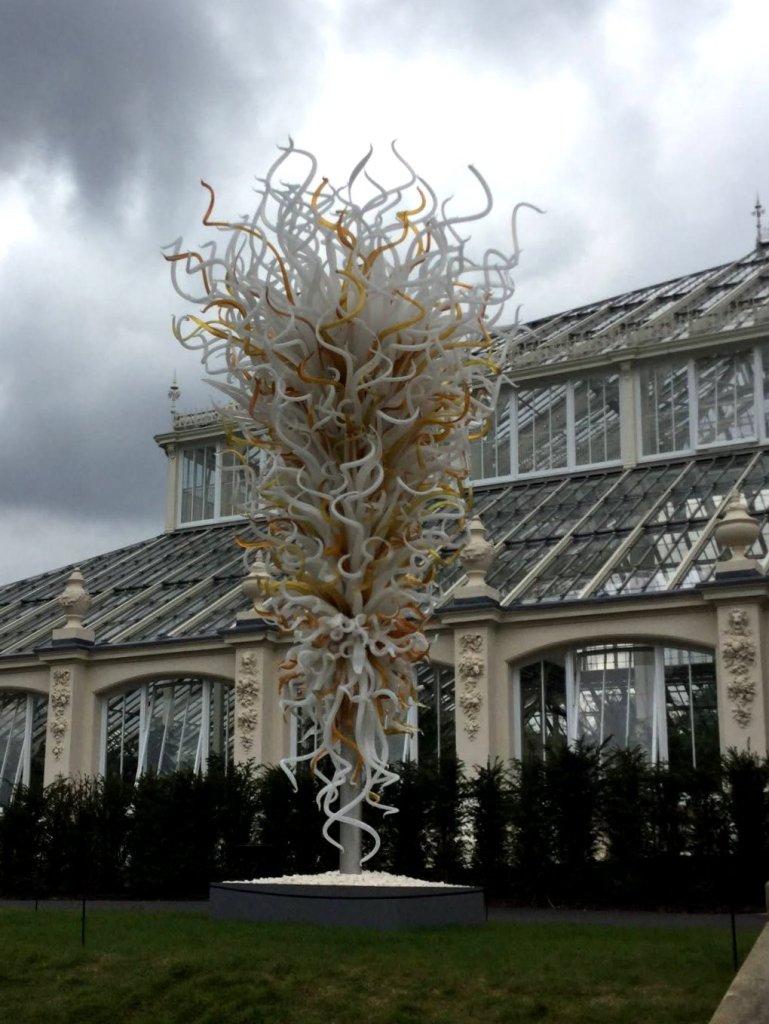
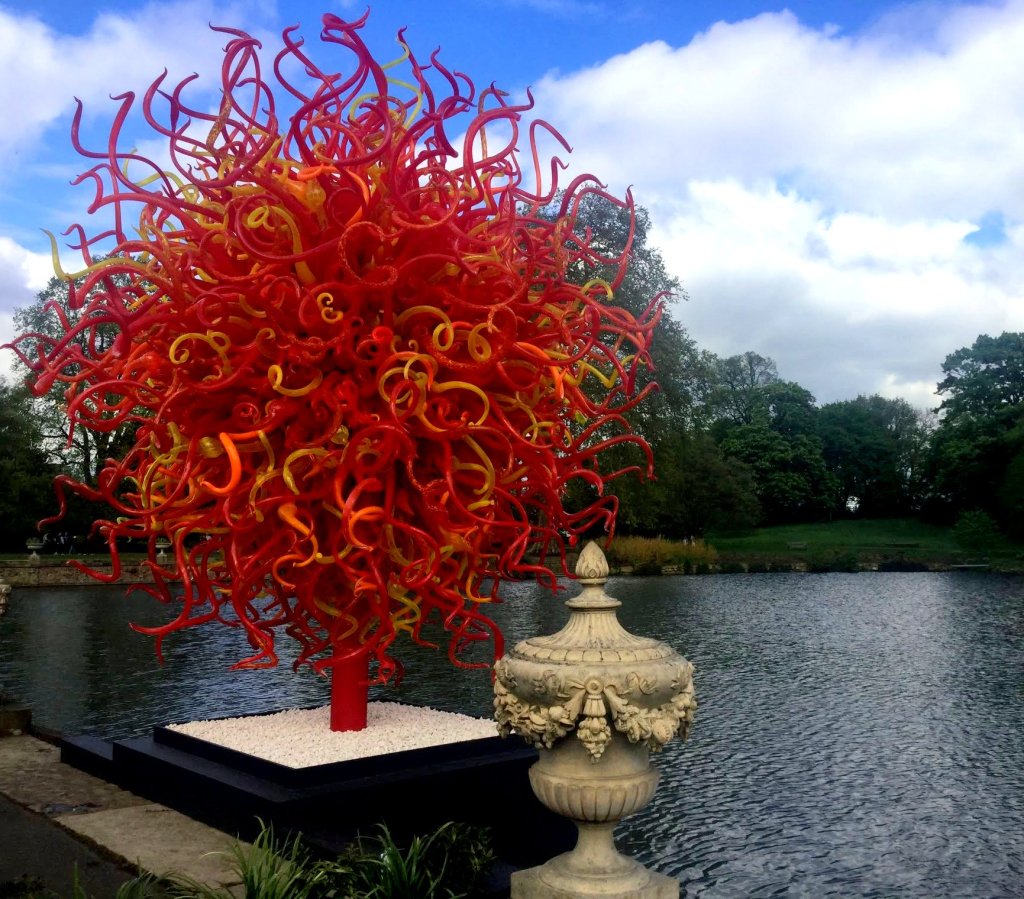
His recurrent stylistic groups—such as Seaforms, Macchia, Persians, and Baskets—are staples in over 200 museum collections worldwide. In 2019 in Kew Gardens in London Chihuly had a fantastic open air exhibition that my sister-in-law, Joyce was lucky enough to see and who took the following photos!
If you should find yourself travelling and have the opportunity to see some of his work, especially in a landscaped environment, I urge you to go and see up close and personal these fantastical works of art. You will not regret it!
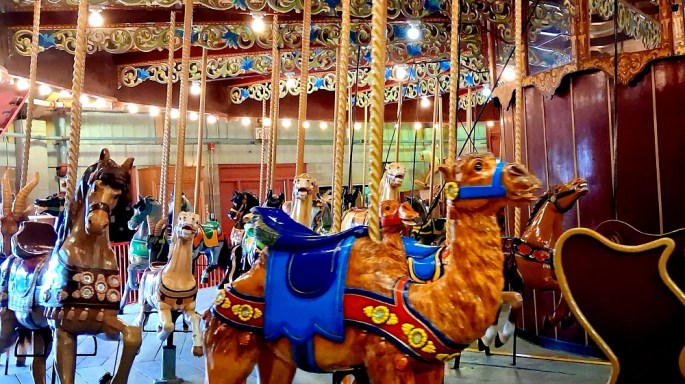
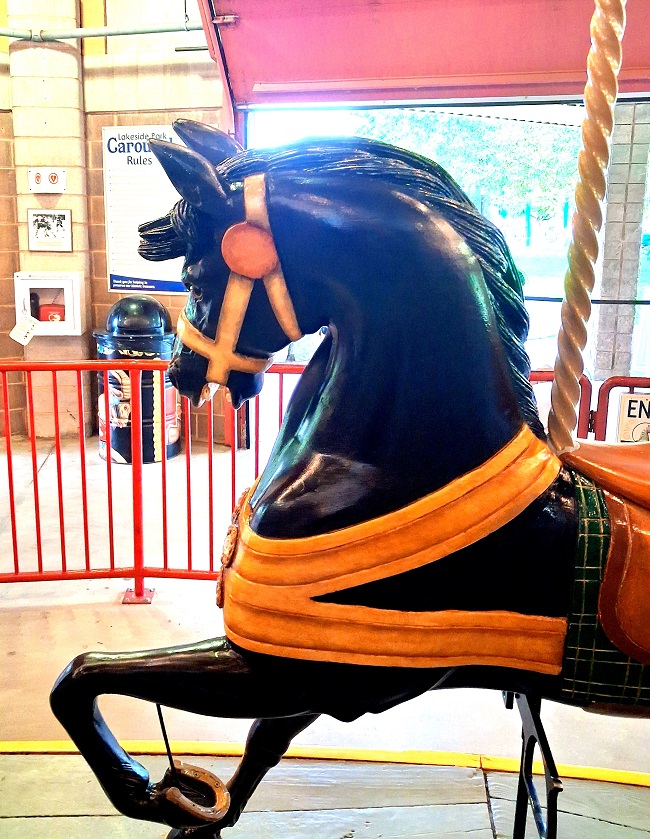
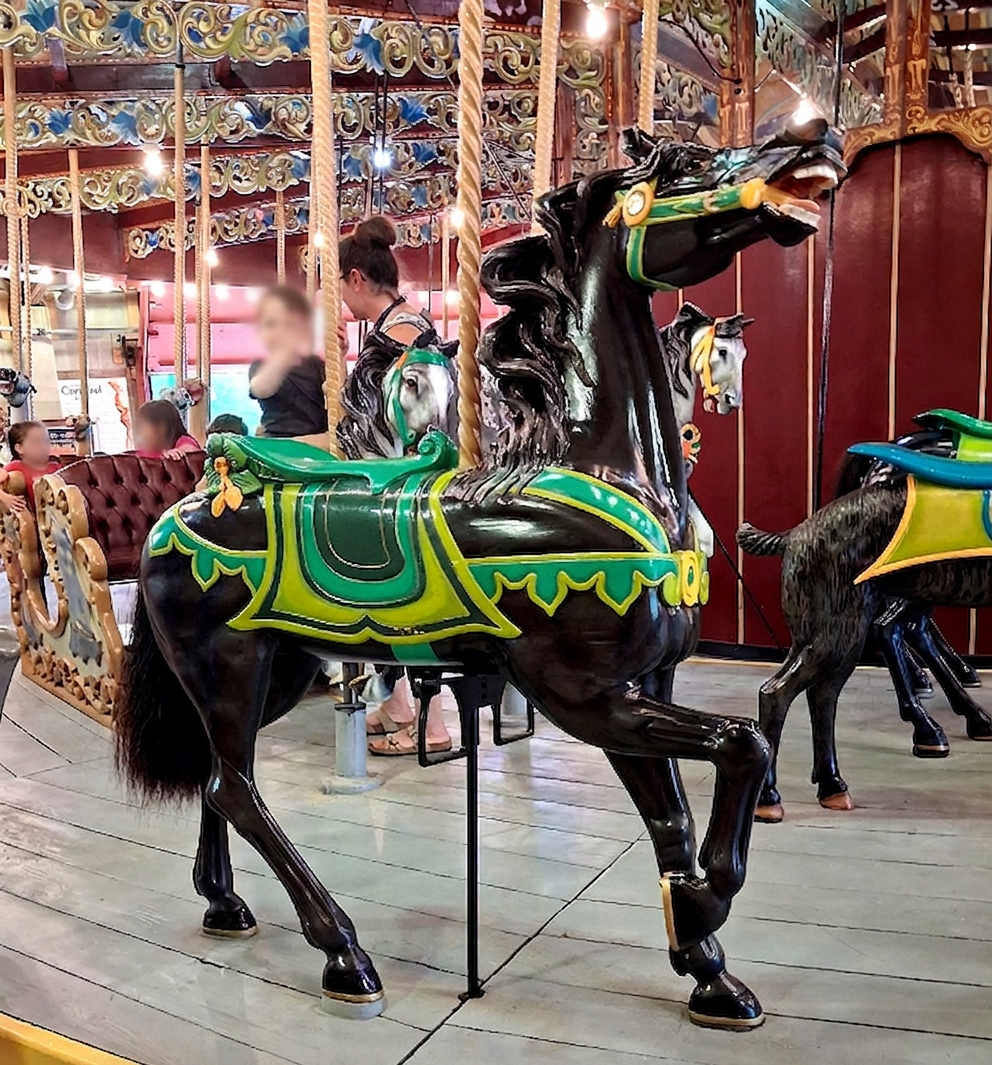
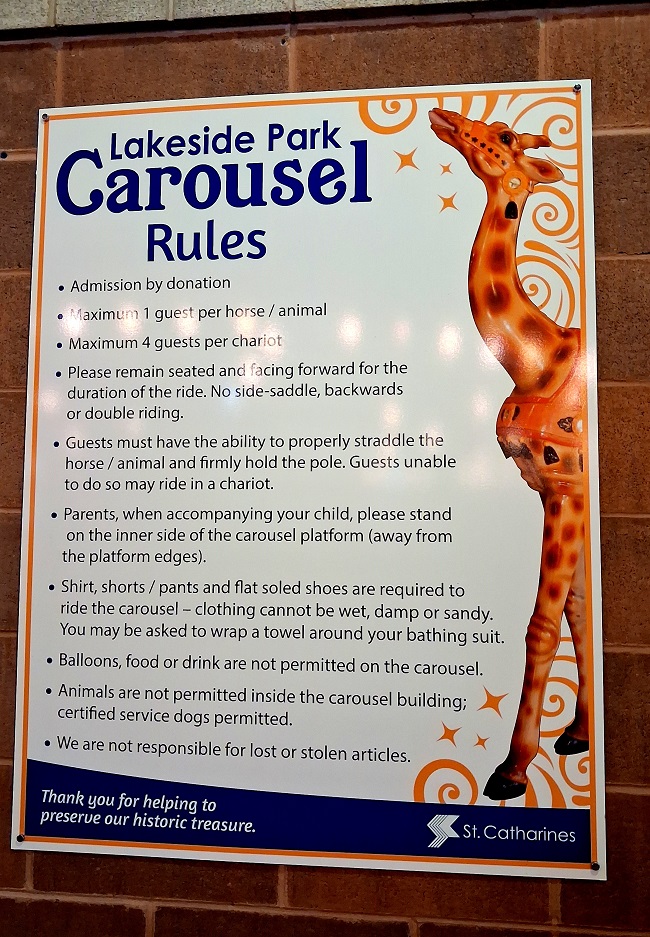
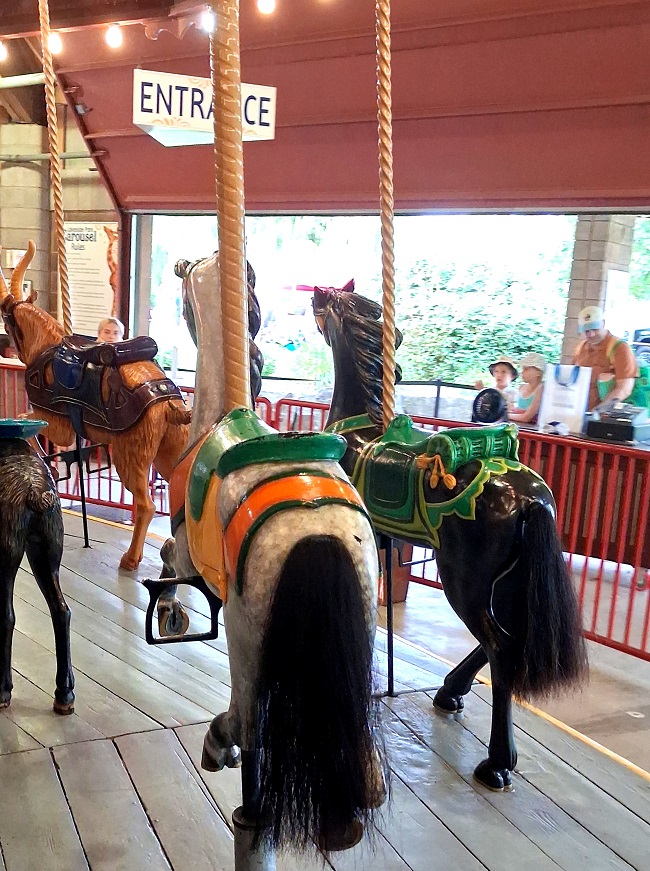
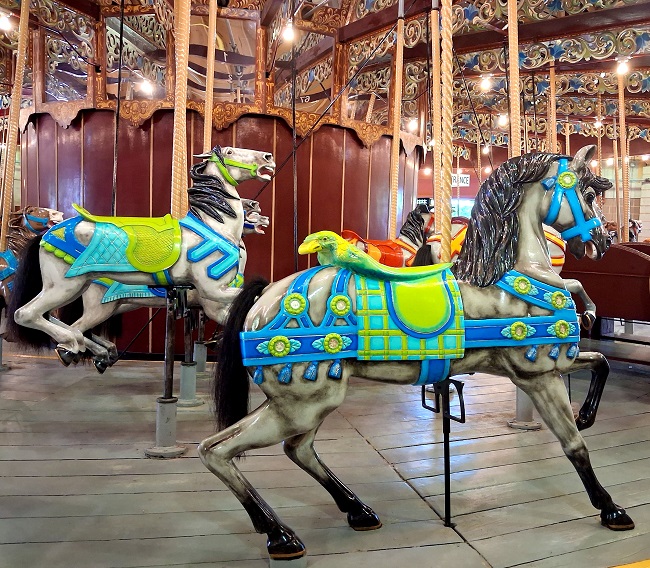
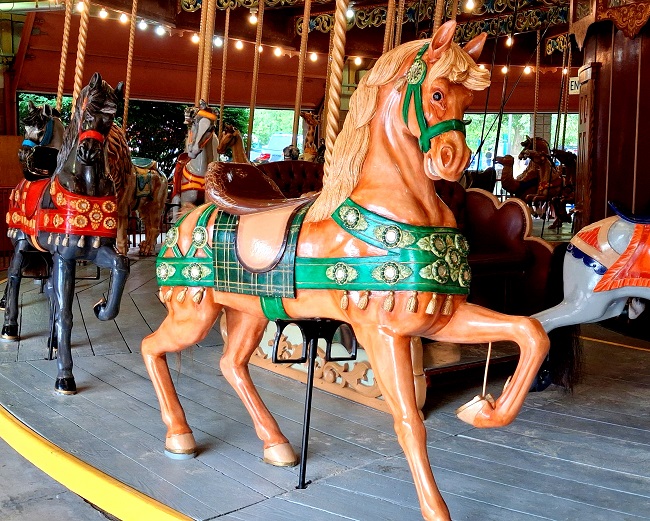
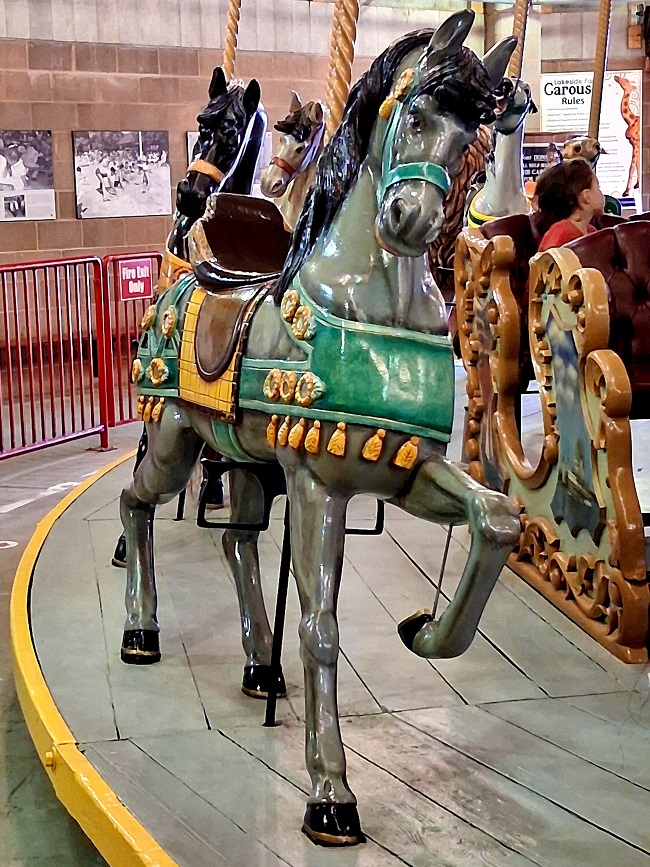
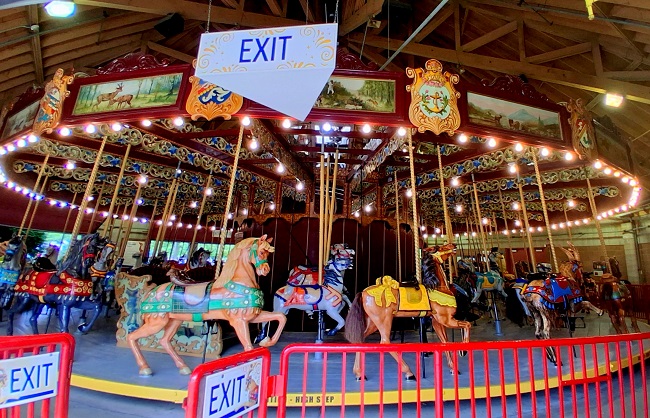
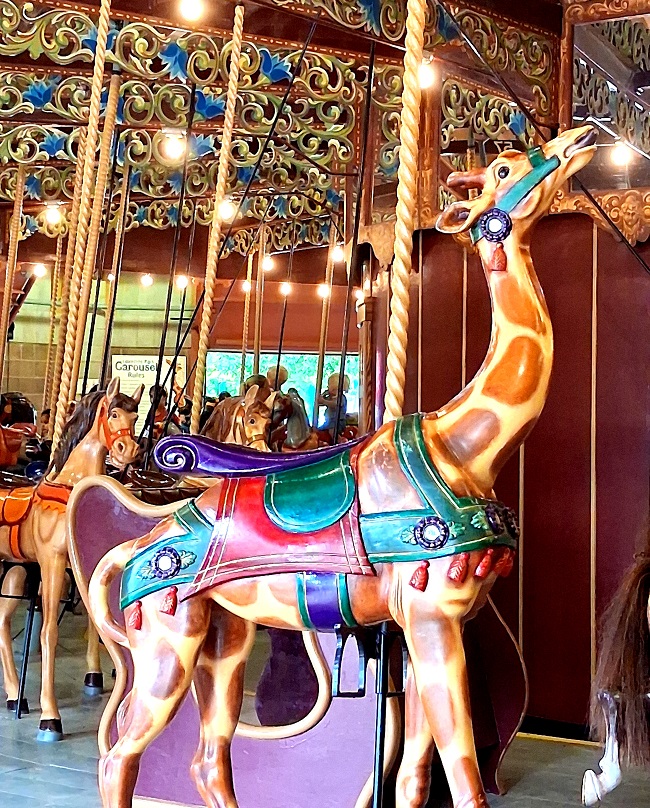
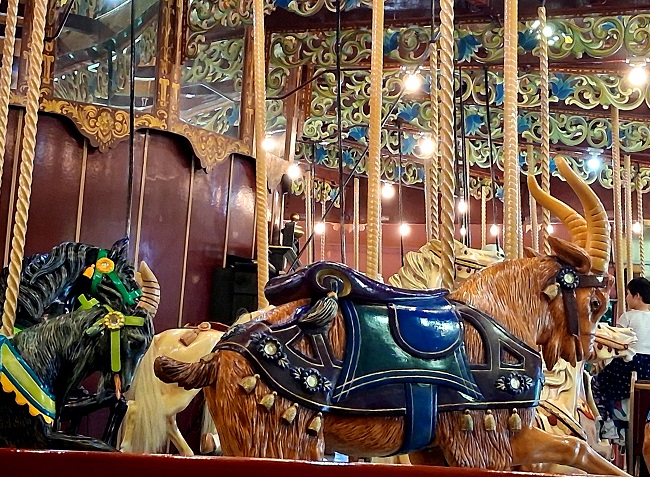
In my previous post of June 11th (On a Carousel trying to catch up with you) I mentioned that I would be going to see this antique carousel in St. Catharines and how excited I would be to see it; and it did not disappoint! Every hand carved animal and chariot has been lovingly restored to its former glory by a group called Friends of the Carousel who help to keep it maintained with some help from City Council and public donations.
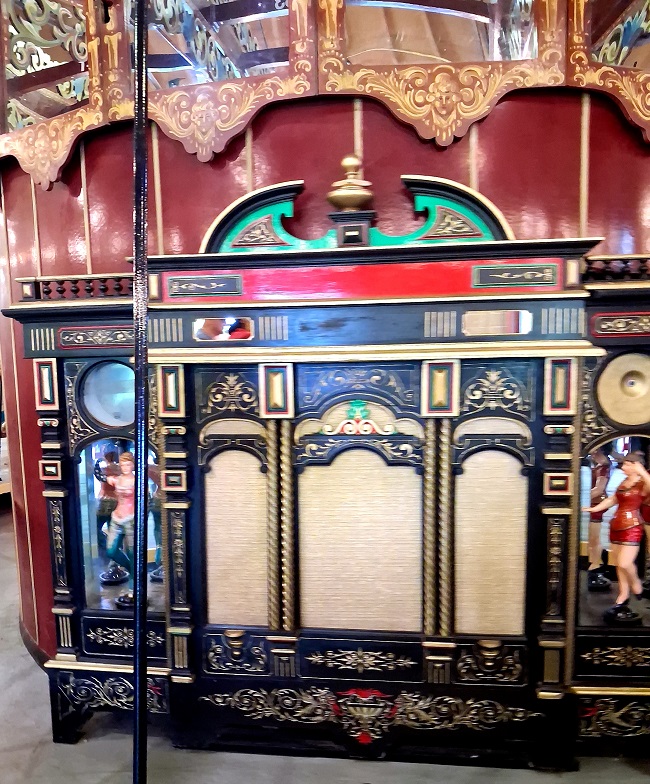
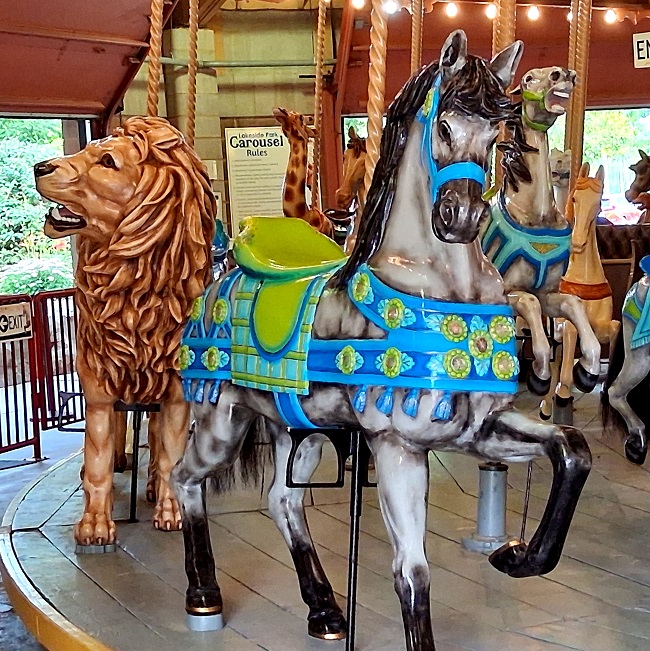
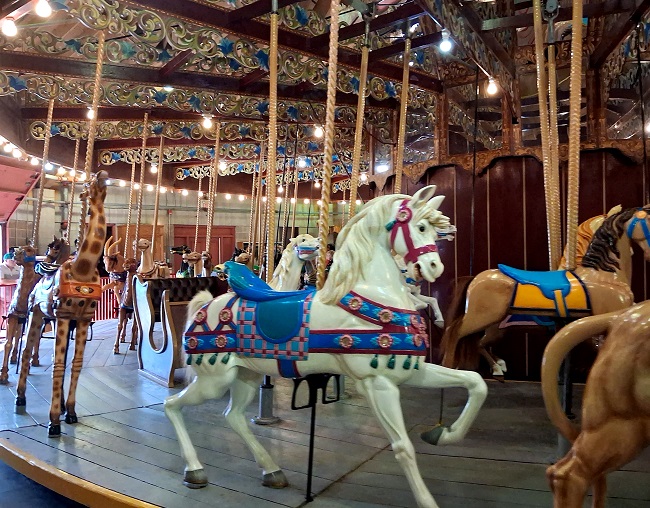
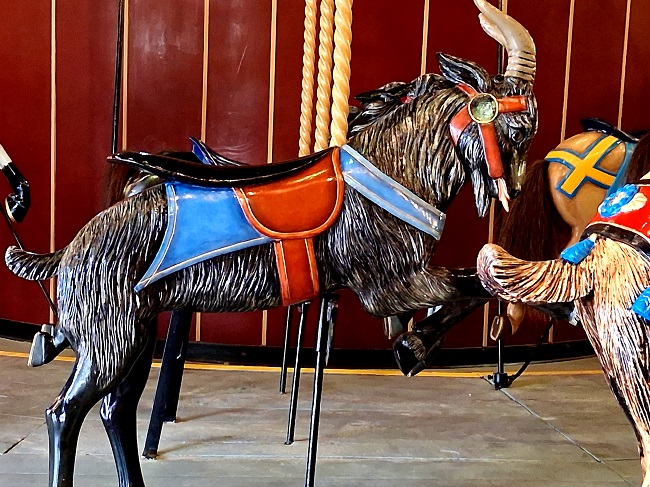
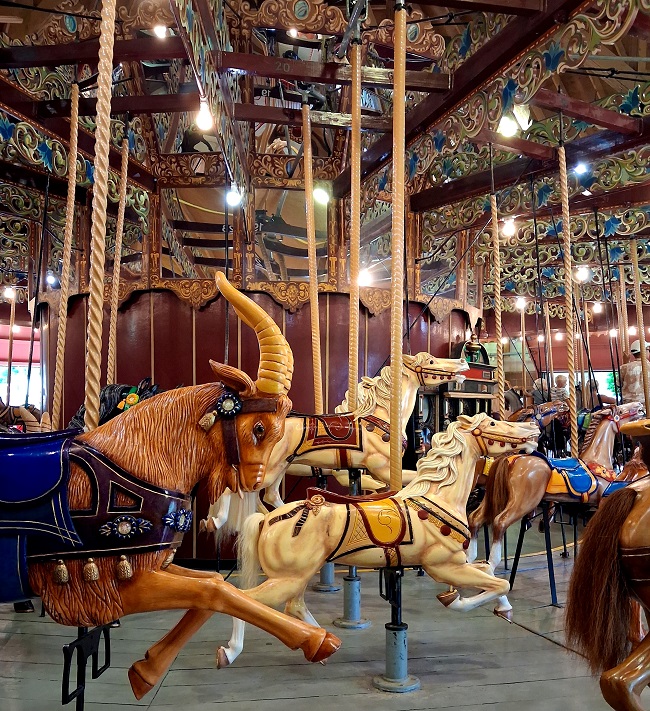
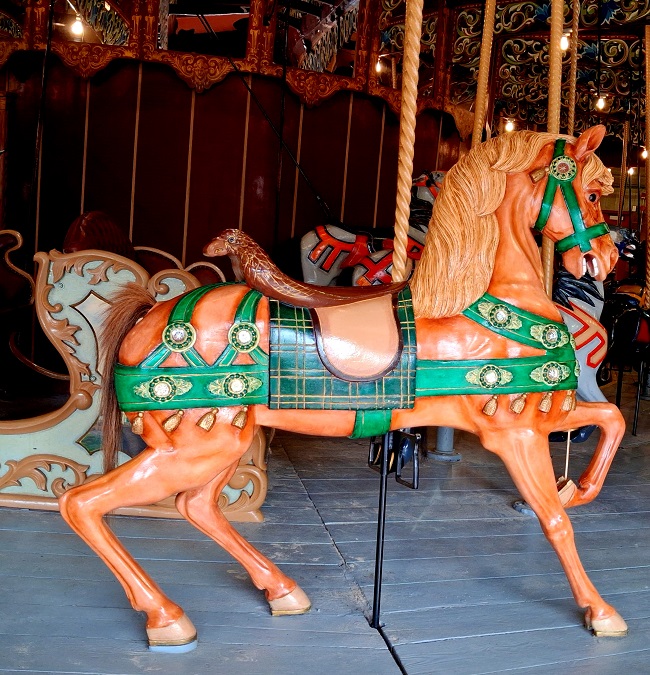
The Lakeside Carousel was carved between 1898 and 1905 in Brooklyn, New York by Charles I.D. Looff’s factory workers. The carousel was relocated in 1921 from its earlier home at an amusement park in Scarborough to St. Catharines. It was purchased for the amusement park flourishing in Port Dalhousie, which had 58 attractions. In those days, more than a quarter million people annually crossed the lake in steamships to visit Port Dalhousie on weekends. The carousel has 68 animals, including horses, lions, camels, goats and giraffes, plus four chariots. The accompanying music is played by an antique Frati band organ which uses a system of paper music rolls to serenade riders. Each animal was hand carved, and the horses still have real horsehair tails.
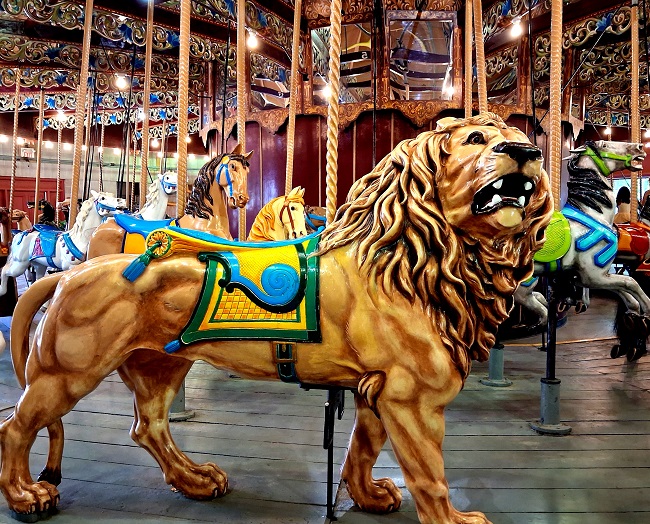
Lion
The Lakeside Park Carousel is one of approximately 350 antique hand-carved carousels still operating in North America – only nine of which are in Canada. The original Looff lion on the Lakeside Park Carousel is one of five existing Looff lions in North America and it is the only one that has its head turned to watch onlookers as it circles by.
The second lion on the Carousel was carved in 2004 by the Friends of the Carousel to replace the original lion that was stolen in the 1970s. One of the stipulations on selling the carousel to the City of St. Catharines was that the fee for riding the carousel would remain at 5 cents. This is the kind of attraction that you should take your kids and grandkids to see, not just for the history but for the genuine craftsmanship that went into its making and the fun of riding around in a circle with no place you have to be.
If you have done any extensive travelling you will have been introduced to various types of toilets (washrooms, etc.) around the world. Some not so nice, like those at some gas stations in North America to opulent bathrooms in higher end hotels. Access to these may be free, through a key on a peg or a swipe card, to a metered door lock but everyone needs a place to relieve themselves from time to time and the older you get the more frequently you need to use these facilities. I believe there is even an app now that tells you where a convenient location exists near you at anytime.
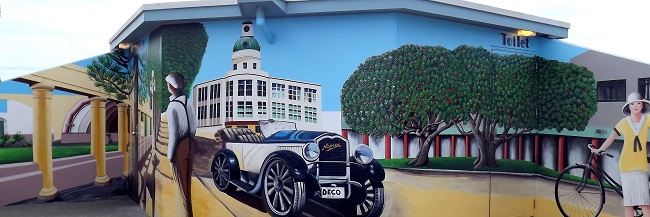
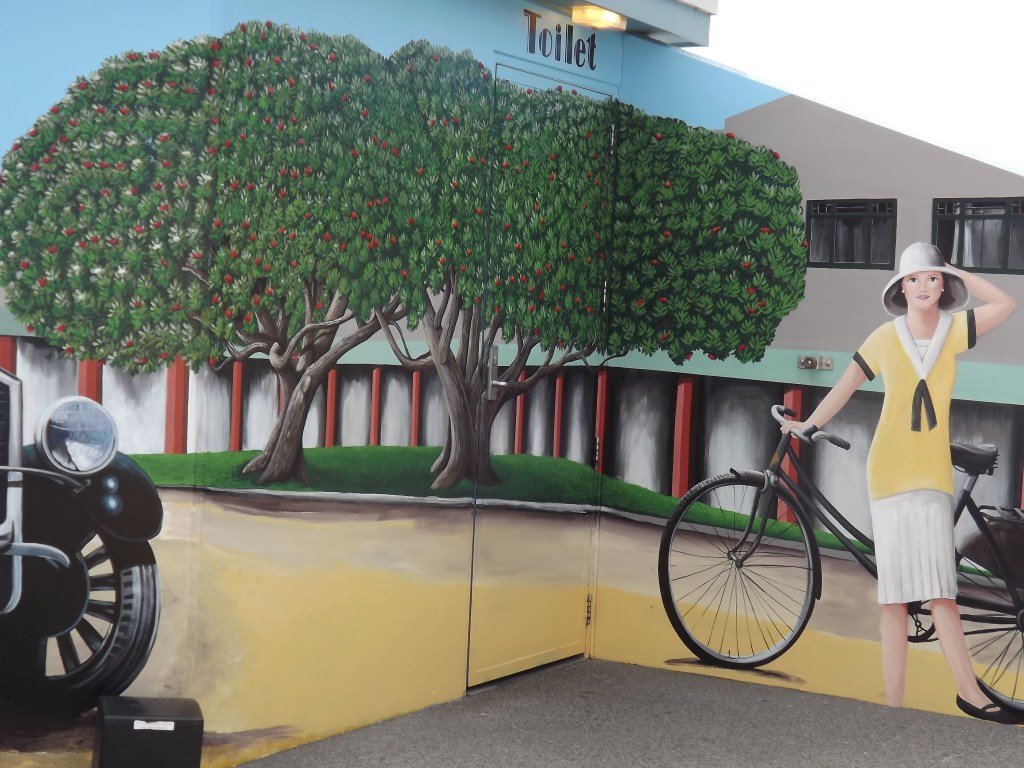
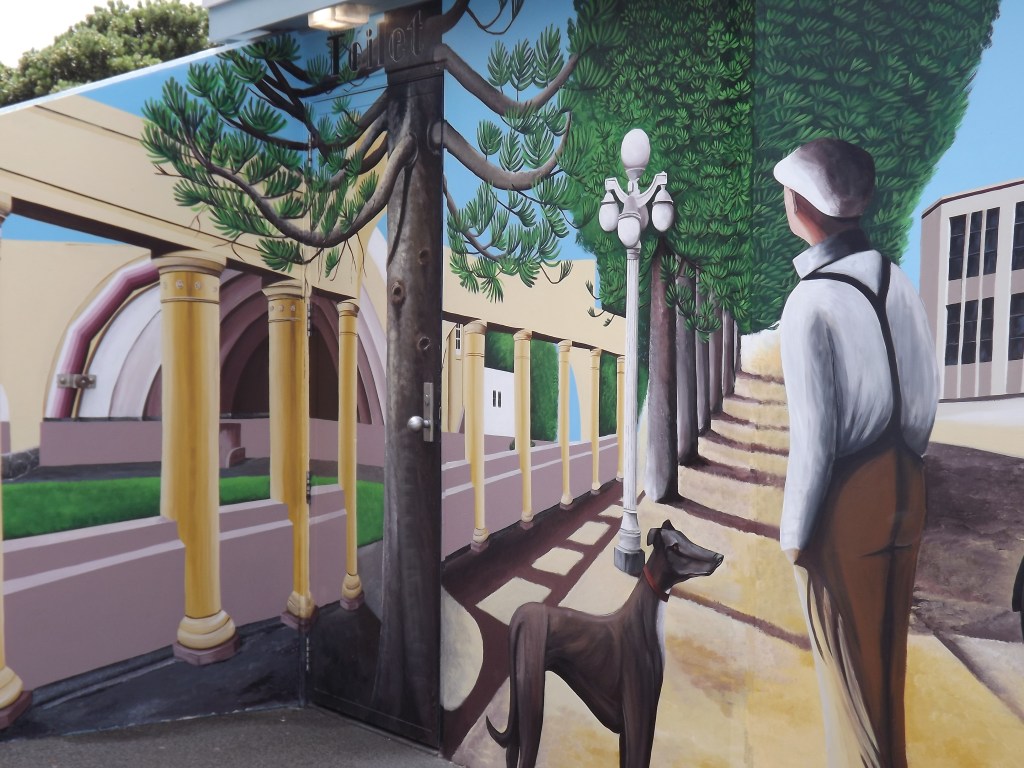
You cannot begin to understand my excitement and pleasure at coming across public toilets in New Zealand and Australia. They have taken mural art to the nth degree far from the boring half moon door in the outhouse behind a cottage in northern Ontario.
Bathroom in Lake Taupo
Women’s toilet in Napier
Men’s toilet in Napier, New Zealand
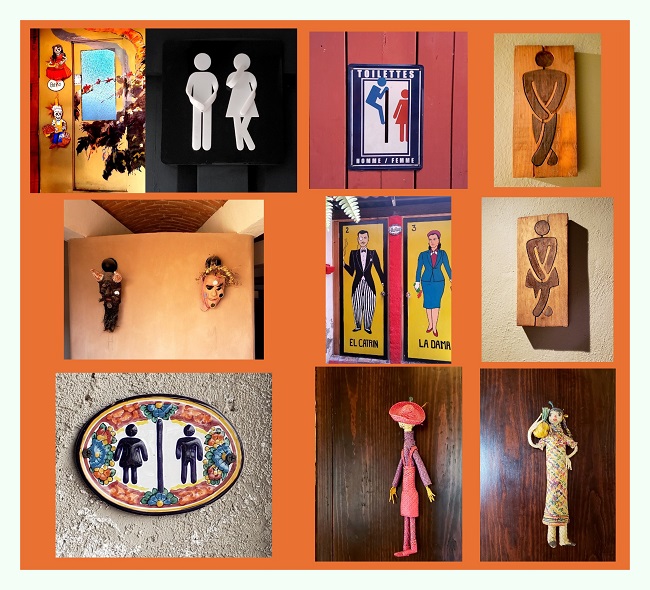
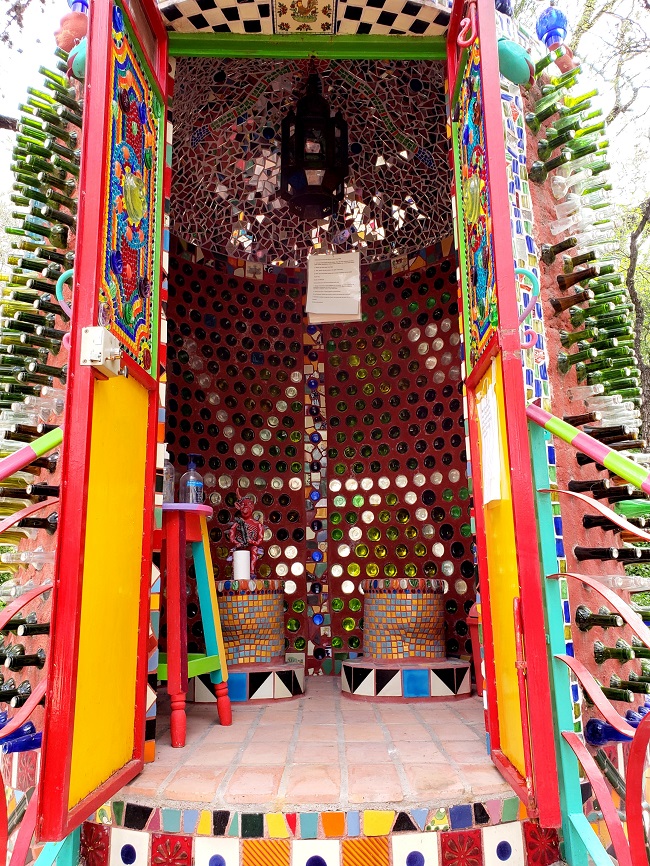
We have also come across some very inventive banos in Mexico on our travels. Sometimes just the markers that let you know whether they are male or female or unisex are pretty cool.
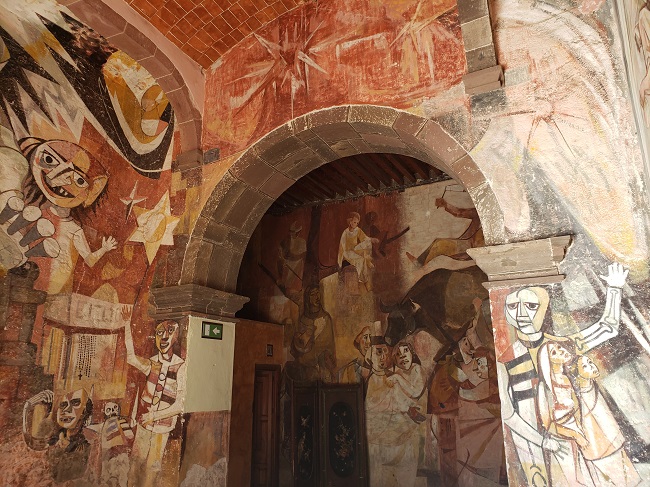
Institute of Art in San Miguel de Allende bano
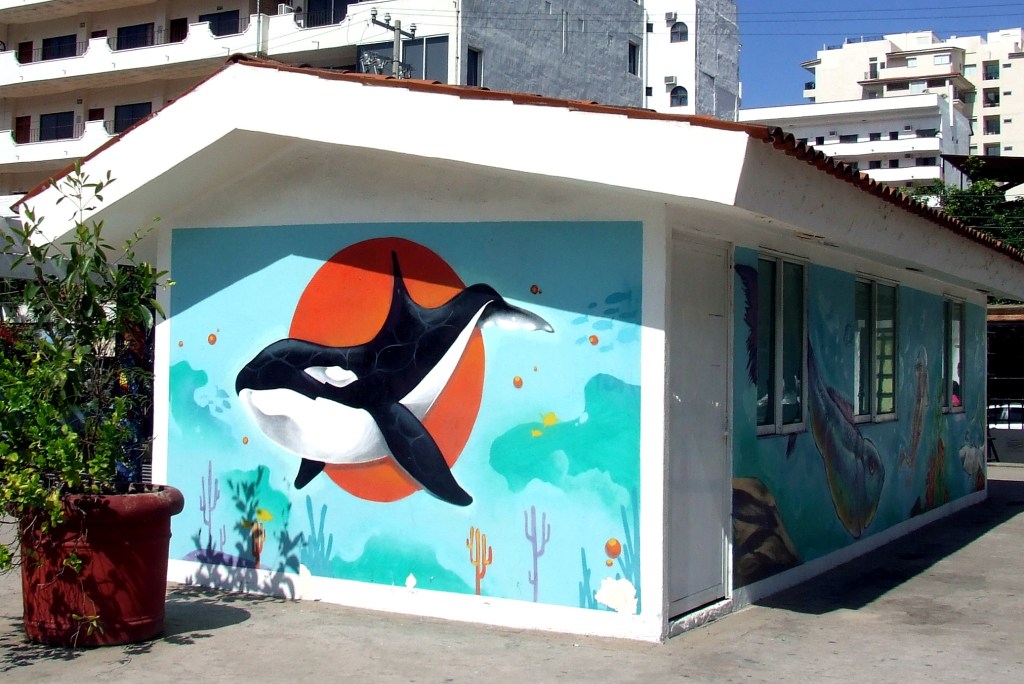
Public Bathroom in Puerto Vallarta
Outhouse at Chapel of Jimmy Ray
Some unique restrooms that we have heard of but not yet experienced are:
1. A toilet in Arosa, Switzerland that is made of glass and sits over an old elevator shaft, letting you look straight down while you do your business through clear glass.
2. A club in Frankfurt, Germany where men step inside a giant, glittering set of red lips to use the urinal.
3. Kawakawa, New Zealand features public toilets designed by artist Friedensreich Hundertwasser using colorful tiles, stained glass, and a living tree growing right through the roof.
4. Tianmen Mountain in China features a clear glass restroom built onto the side of a sheer rock cliff, offering massive canyon views.
5. The Ice Igloo Restroom in Norway is built seasonally near famous hiking trails; these minimalist stalls freeze your surroundings into a stunning winter wonderland.
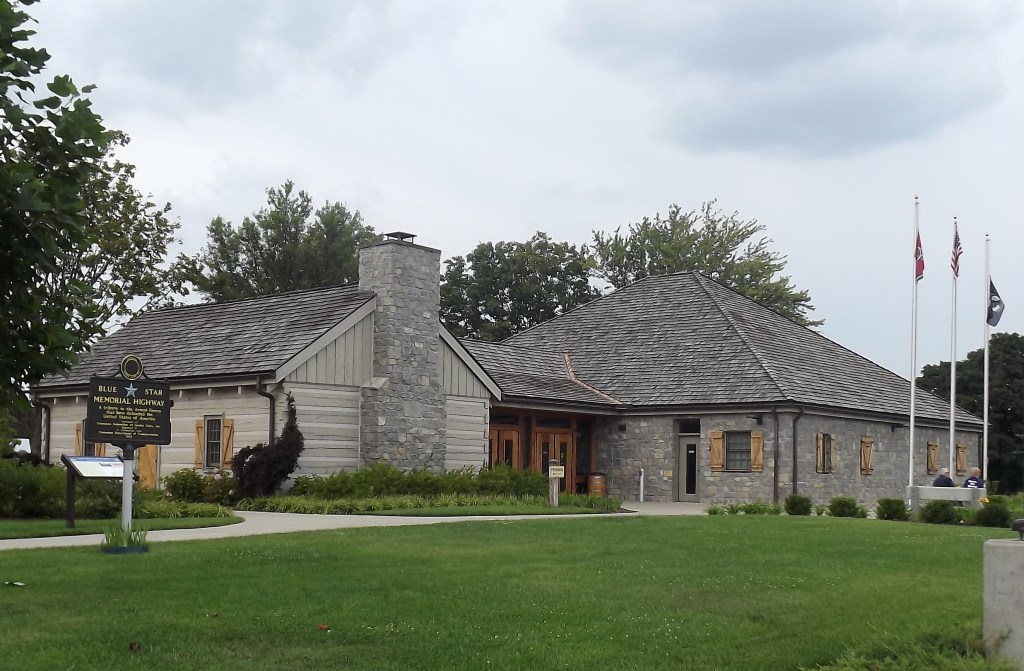
Blue Star Memorial Hwy rest stop on the way to Nashville,Tennessee
What are some of the best/worst public toilets you’ve experienced?
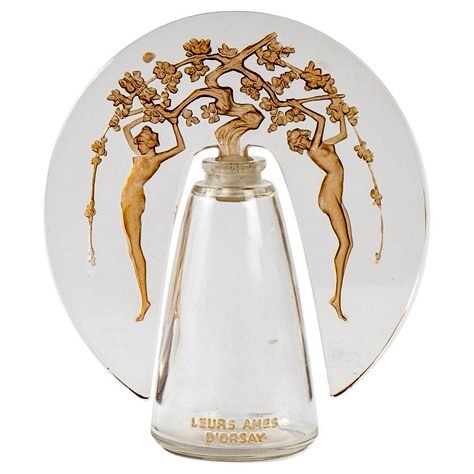
The Lalique company was founded by René Lalique – a leading figure of the Art Nouveau movement. He designed jewels, perfume bottles and art objects with curved lines inspired by flora, fauna and feminine figures, using original materials like horn, coloured glass or semi-precious stones.
In 1907, perfumer François Coty commissioned Lalique to design elegant labels and bottles. This sparked a permanent shift in Lalique’s career from unique, handmade jewelry to high-quality, mass-produced glasswork. He revolutionized the perfume industry by making beautiful packaging affordable to the public.
By the time the Art Deco movement peaked at the 1925 Paris Exposition, Lalique was famous for his molded, opalescent glass. His studio produced everything from luxury vases to monumental glass fountains and the dining saloon doors for the ocean liner SS Normandie.
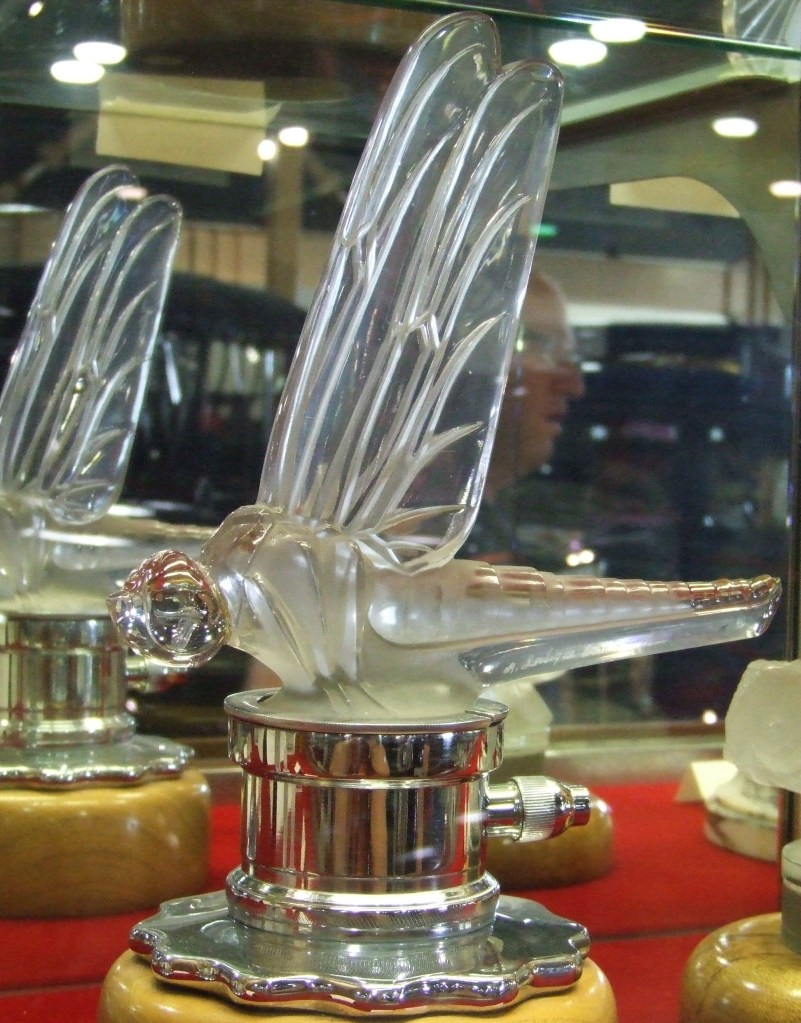
Between 1925 and 1931, René Lalique created a famous series of 29 or 30 molded glass hood ornaments intended to adorn the radiator caps of luxury Art Deco automobiles (such as Packards, Bugattis, and Bentleys). They were illuminated from below by small colored bulbs wired into the car’s electric system. He successfully bridged the gap between fine art and industrial manufacturing, creating a luxury glass brand that still operates today.
Grande Libellule by Rene Lalique
Built in 1920 by legendary glassmaker and jeweler René Lalique, the Villa René Lalique in Wingen-sur-Moder, France, was transformed by CEO Silvio Denz into an ultra-sophisticated 5-star hotel and 2-Michelin-starred gourmet restaurant that opened in 2015. The mansion underwent a multimillion-dollar, five-year restoration that focused on preserving its historic architecture while integrating Lalique’s artistic vision. Key features, such as grand fireplaces, have been preserved and enhanced with contemporary glass sculptures.
Just a few minutes drive away is the Lalique museum opened in 2011 close to the site of Lalique’s workshop in Wingen-sur-Moder. Lalique has been owned by Lalique Group SA (formerly known as Art & Fragrance SA), a Swiss luxury goods company, since 2008.
Note: On Sunday, July 5th, 2026 three masked thieves broke into the Musee Lalique at approximately 5:30 am wielding sledgehammers and for about 11 minutes smashed six display cases and stole around 20-27 crystal and jewelry pieces valued at roughly €4.5 million (approx. 5 million US.). The Lalique burglary comes just eight months after the spectacular theft of the Crown Jewels from the Louvre and in the wake of a series of similar violent crimes targeting jewels and gold in French museums.
The Royal Ontario Museum (ROM) at 100 Queens Park, Toronto, ON built Canada’s largest public collection of René Lalique glass primarily through a combination of retail history and private donations.
Following the 1925 Paris Exposition Internationale des Arts Décoratifs, major Canadian department stores—most notably the T. Eaton Company—began directly importing and heavily marketing Lalique’s molded Art Deco glass in their catalog sales and model rooms.
Because Lalique’s luxury items became popular accent pieces among wealthy 20th-century Canadian families, many private collectors over the decades eventually bequeathed their holdings and personal estates to the museum.
The ROM intentionally expanded this area of their European Decorative Arts collection to document how French Modernist designs transitioned from luxury creations into everyday Canadian consumer culture.
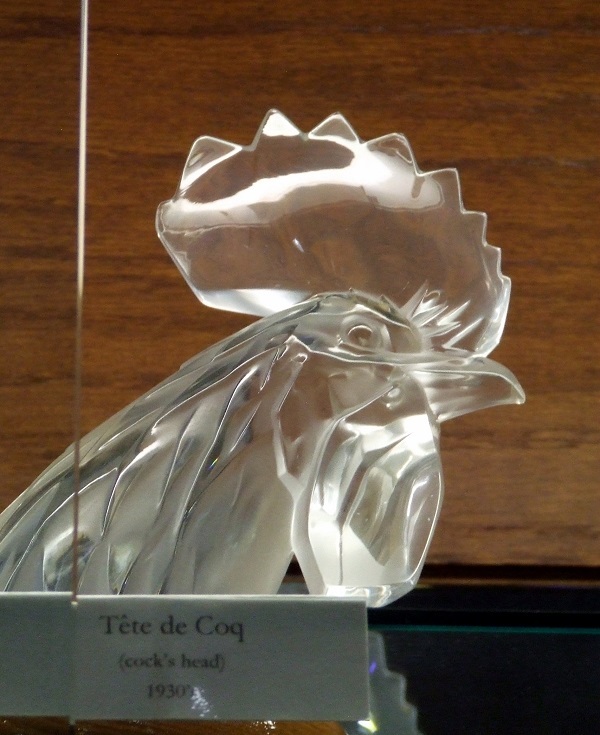
The ROM has showcased these pieces extensively in dedicated, major exhibitions over the years: “Déco Lalique: Creator to Consumer” (2006): A landmark featured exhibition and published catalog by curator Carolyn Hatch that highlighted the history of Lalique glass in Canada. These glass mascots—featuring famous Lalique designs like sweeping female profiles (Victoire or Spirit of the Wind), roosters, and stylized animal figures—were prominently highlighted in the ROM’s landmark Déco Lalique: Creator to Consumer exhibition. “The Art of Collecting” (2011): Featured a curated selection of Lalique glass alongside landmark European modernists like Peter Behrens, Carlo Scarpa, and Dale Chihuly.
The ROM does not release public market appraisals for its specific permanent collection items for insurance and security reasons. However, given that the ROM holds dozens of individual pieces—ranging from perfume bottles to large demi-crystal chandeliers—the institutional value of the collection as a whole is easily in the hundreds of thousands to low millions of dollars, with immense added historical and cultural value.
The collection is not on full permanent display. Like most major museums, the ROM rotates its vast decorative arts inventory, keeping the majority of its Lalique holdings protected in deep storage archives. At any given time, only a few select pieces (often iconic demi-crystal chandeliers or molded glass vases) are out on display in the Level 3 European Decorative Arts galleries or temporary design showcases.
Note: This may be prudent considering the thefts in France this past year.
When adventure calls
I have been lucky enough to have travelled to some of the most beautiful places on earth but there are still many places I'd like to see.