

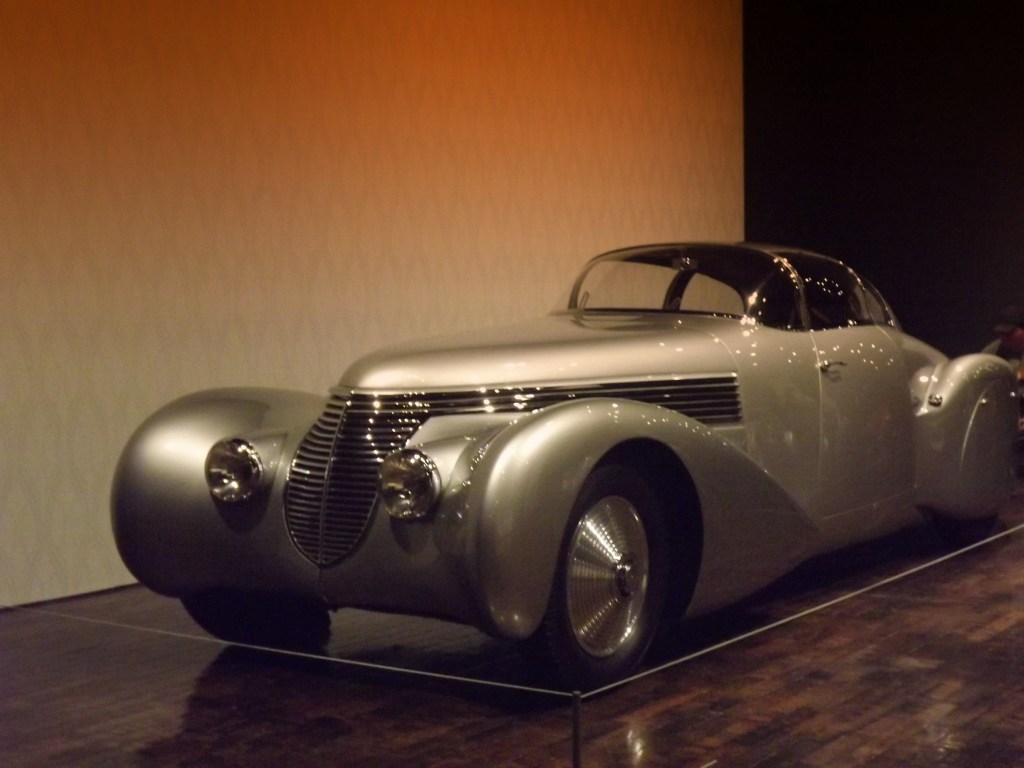
Some cars are just on another level—so exotic and impressive that they make everything else look ordinary. Most countries are lucky to have even one “legend” to their name. You’ve got the American Duesenberg SJ, Britain’s 12-cylinder Rolls-Royce Phantom III, Germany’s supercharged Mercedes SSKL, and France’s massive Bugatti Royale. But then there’s Hispano-Suiza. These cars were in a league of their own. No expenses were spared on their creation ensuring they were the best ever built.
The brand started back in 1901 when a Swiss engineer named Marc Birkigt convinced his Spanish boss, Emilio La Cuadra, to pivot from electric buses to motor cars. The name “Hispano-Suiza” literally means Spanish-Swiss, a nod to the Spanish money and Swiss engineering behind it.
During the 1920’s and ‘30s the company produced the vehicles that established its reputation among the elite of the world’s great motor cars. The H6, which debuted at the 1919 Paris Motor Show is still considered one of the greatest cars ever made.
When the Great Depression hit in the ’30s, most luxury carmakers panicked as their pool of wealthy buyers dried up. But Hispano-Suiza doubled down, refusing to compromise on their huge, powerful, over-the-top designs. While they eventually stopped production in France by 1938, they kept things going in Barcelona until World War II began.
One of the coolest stories from this era involves André Dubonnet, a wealthy heir to the aperitif fortune and race car driver. He commissioned the 1938 “Xenia”—named after his late wife—which is basically the peak of pre-war Art Deco design. It’s a sleek, curvy, one-of-a-kind masterpiece that looks like it’s from another planet. He won a sports car race at Boulogne with it in 1921.
In the end, Hispano-Suiza was a perfect mix of world-class engineering and pure style. Marc Birkigt eventually retired in 1950, and in a fitting twist, the French side of his company ended up merging with Bugatti.
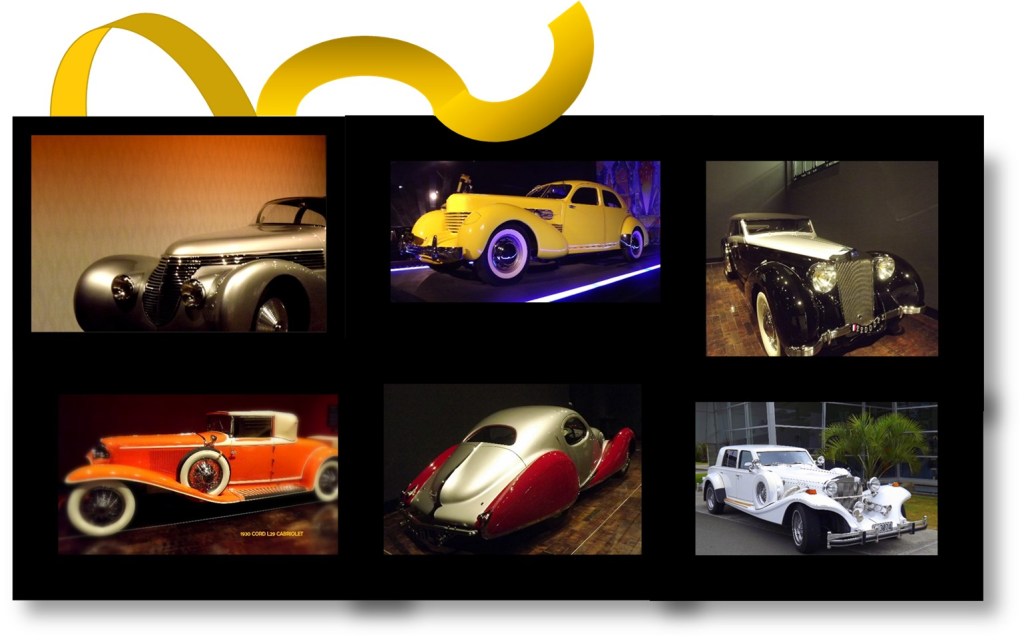
Can you guess the other luxury cars in the above collage? Which is a kit car?

