
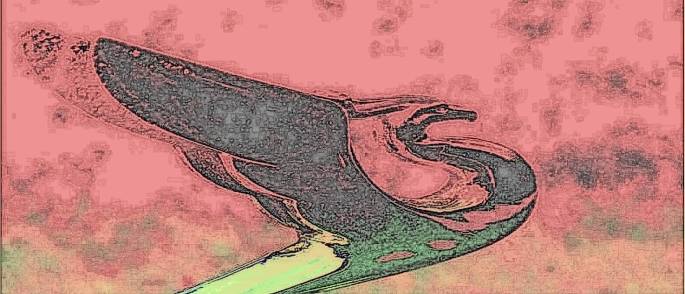
The 1930s to 1950s Hood ornaments (or mascots) tell the story of automotive design, reflecting the spirit and personality of each car model in a small but evocative icon of the industry. To some, an automobile was just that – an automobile – four wheels, an engine, driver and passenger seating, and a trunk. Function came first, and form followed.
To others, an automobile was a work of art. And no other aspect of the automobile embodied this more than the hood ornament; often elegant, sometimes gaudy, and on occasion ridiculous. The hood ornament gave motor vehicles personality, distinction, and above all, sex appeal. Heavily influenced by the Art Deco movement, streamline moderne, and post-WWII aviation design, these ornaments transformed functional radiator caps into striking works of art.
Winged Goddesses & Flowing Figures
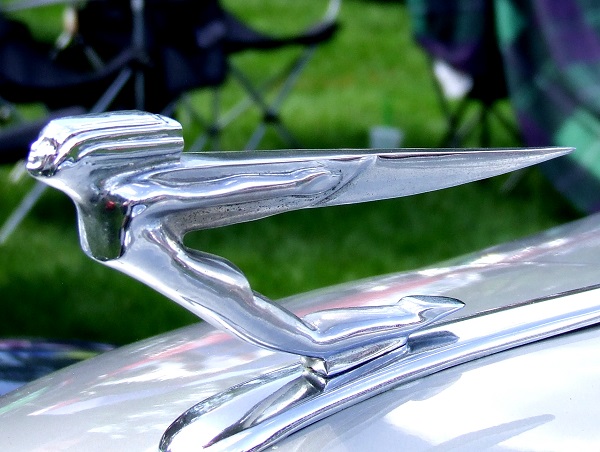
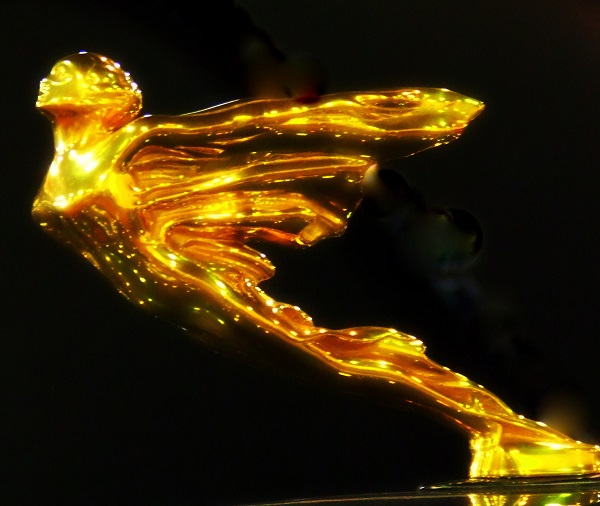
Human figures—particularly wind-swept, winged women—were widely popular to symbolize elegance, freedom, and speed.
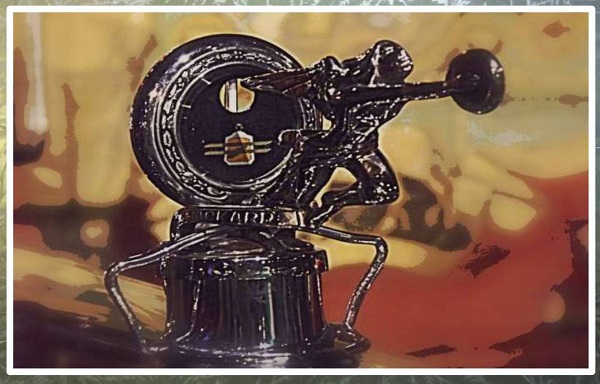
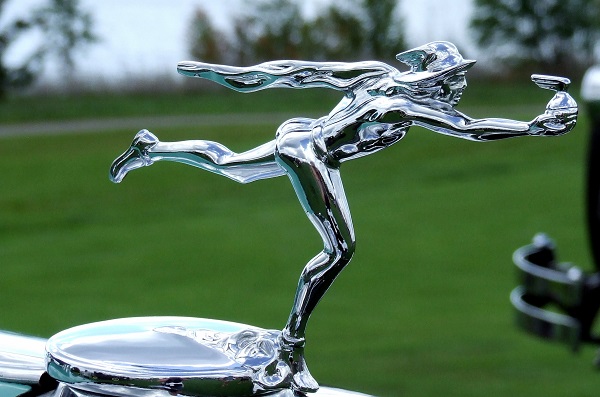
Packard “Goddess of Speed” (1930s): Features a graceful woman leaning into the wind while holding a rubber automobile tire out in front of her.
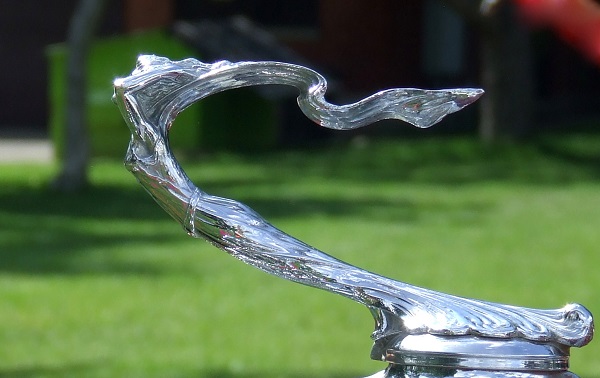
Cadillac “Flying Goddess” (1930s–1940s): Introduced in the early 1930s, this sleek figure evolved throughout the decade, becoming progressively more streamlined to complement Cadillac’s V-8, V-12, and V-16 flagship models.
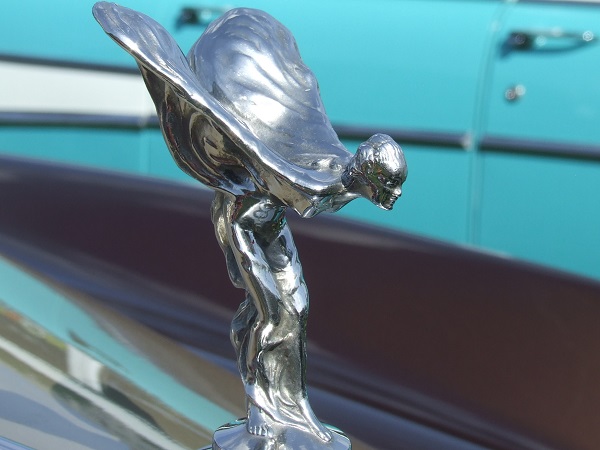
Rolls-Royce “Spirit of Ecstasy”: Though originally designed in 1911, it became lower and more swept back during the 1930s and 1940s to match lower hood profiles, including a kneeling variation introduced in 1934.

Animals in Motion
Speed and grace were frequently represented using athletic animals captured mid-leap or mid-flight.
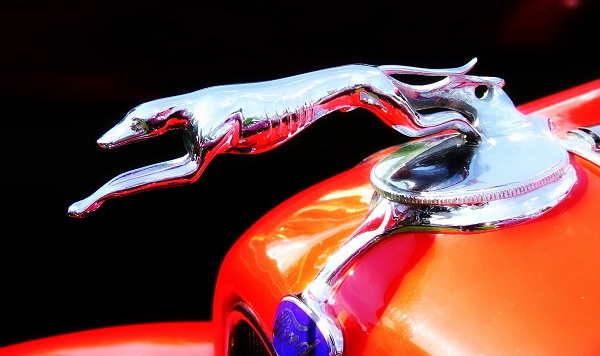
Lincoln Greyhound (1930s): A sleek, elongated chrome greyhound leaping forward, chosen by Edsel Ford to represent speed, stamina, and elegance.
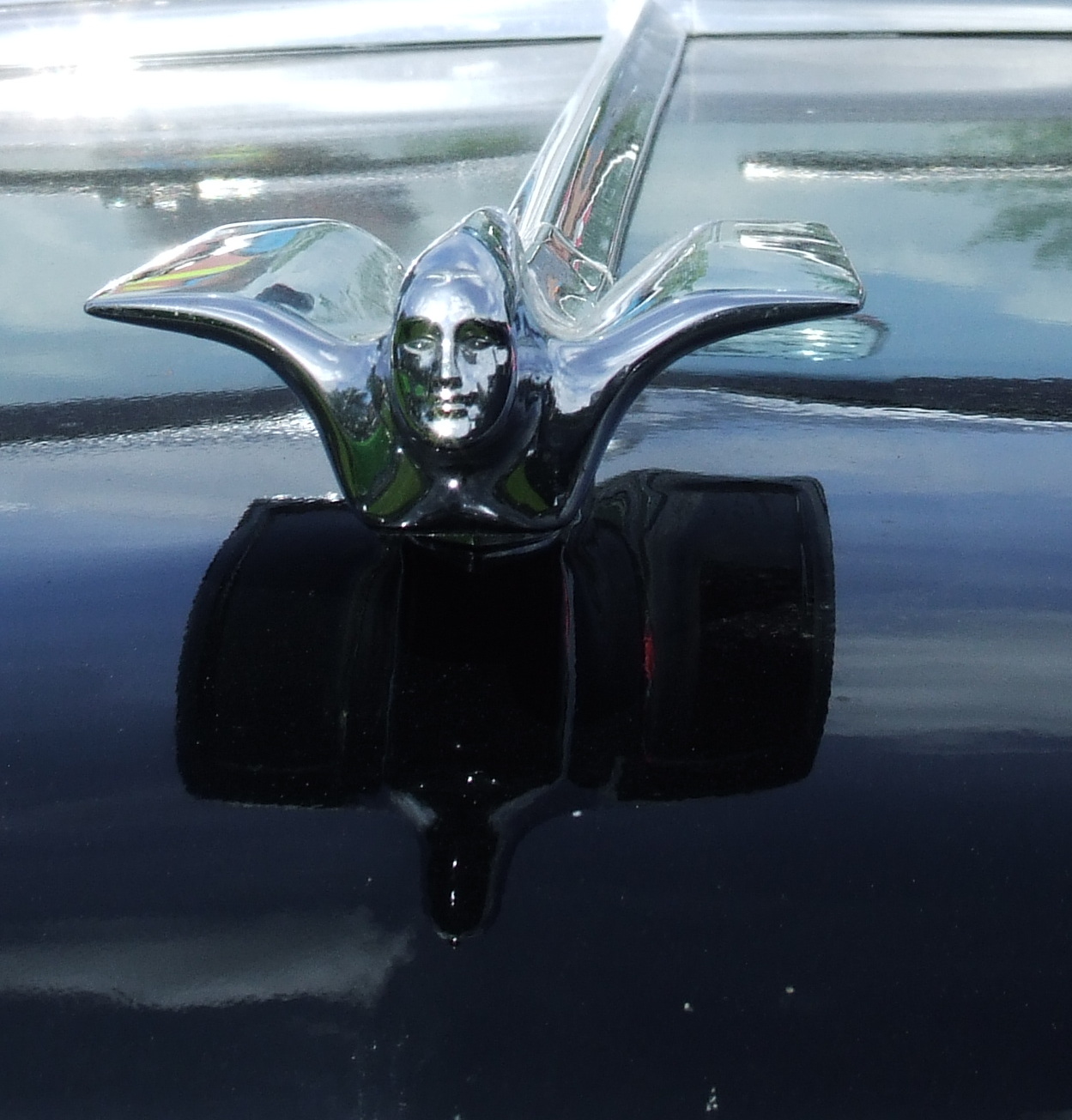
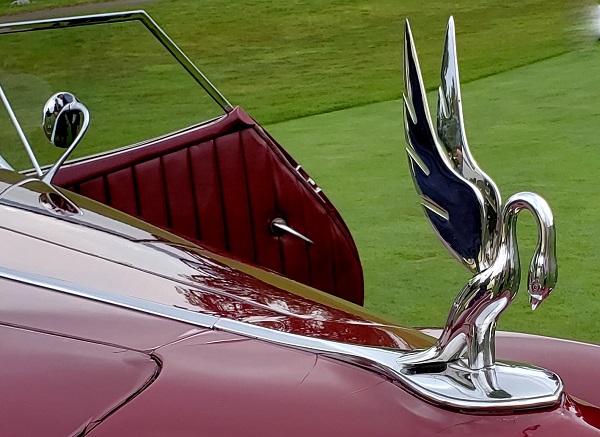
Packard Pelican / Cormorant (1930s–1940s): Used alongside the Goddess of Speed on senior models, this stylized bird with outstretched wings was based on the Packard family crest.
Dodge Leaping Ram (1930s–1940s): Designed by sculptor Avard Fairbanks in 1931, the muscular ram standing on its hind legs became an iconic symbol for Dodge’s ruggedness.
Ford Model A “Flying Quail” (1930–1931): Featured a quail with its wings spread, symbolizing quick acceleration (“quick as a quail”).
SS Jaguar / Jaguar Leaper (Late 1930s–1940s): The classic leaping jaguar mascot made its debut on the 1936 SS Jaguar 2½ Litre sports saloon.
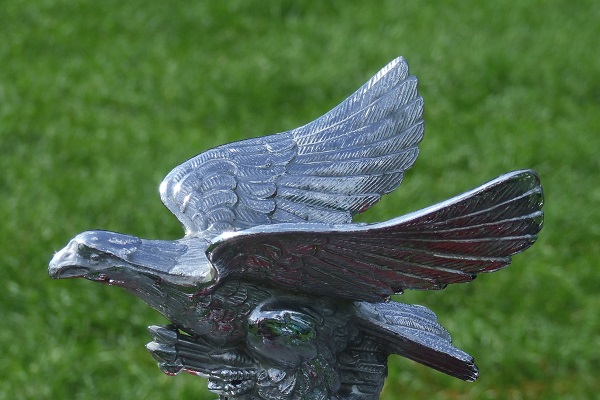
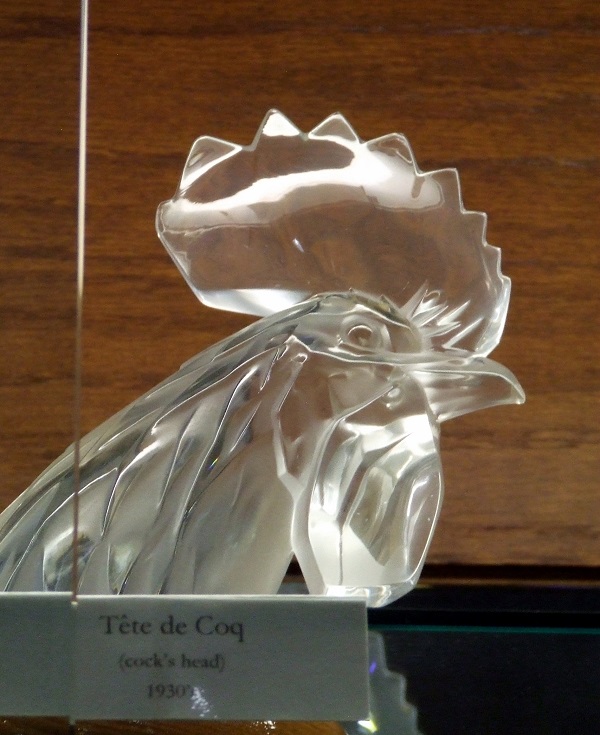
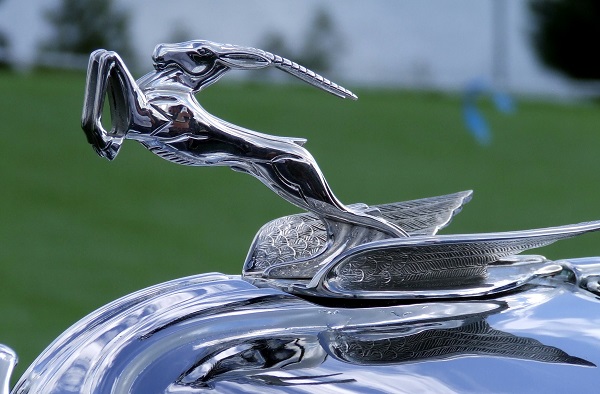
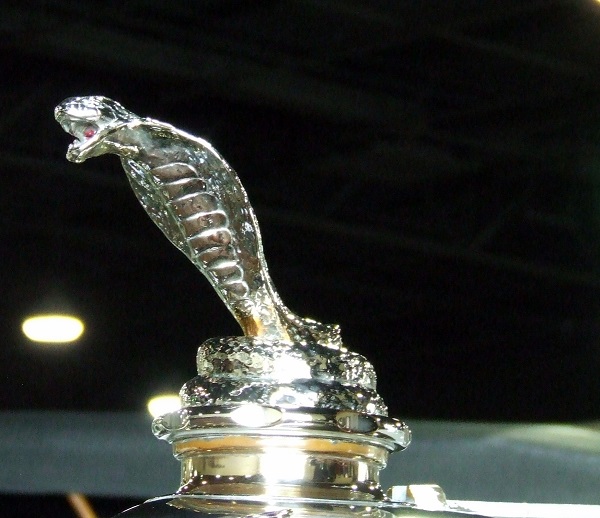
Cultural, Mythological & Heraldic Figures
Automakers often drew from history, mythology, or folklore to imbue their vehicles with strong brand identities.
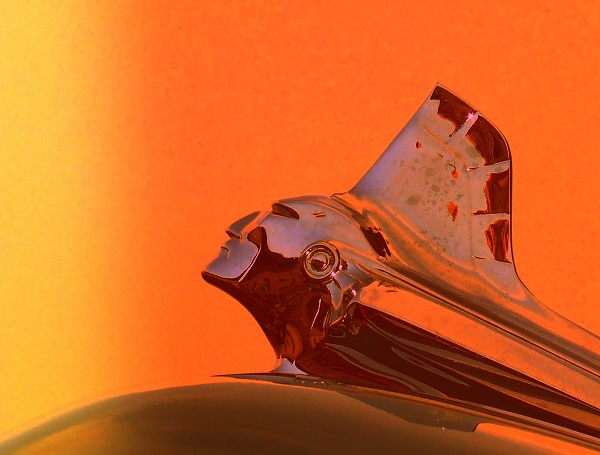
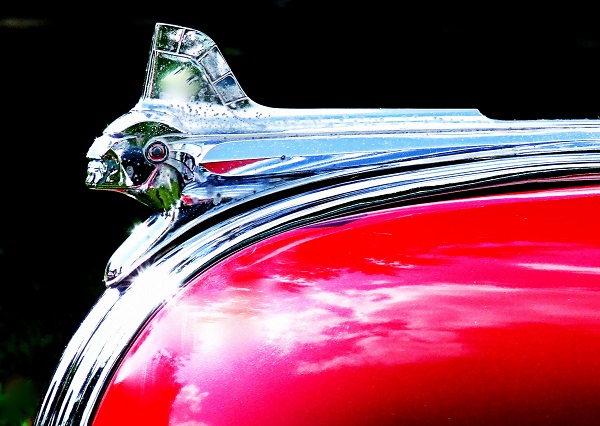
Pontiac Chief / Indian Head (1930s–1940s): Designed in honor of Chief Pontiac, these ornaments ranged from full-bodied statues in the early 1930s to amber-tinted lucite heads in the late 1940s that glowed when the headlights were turned on.
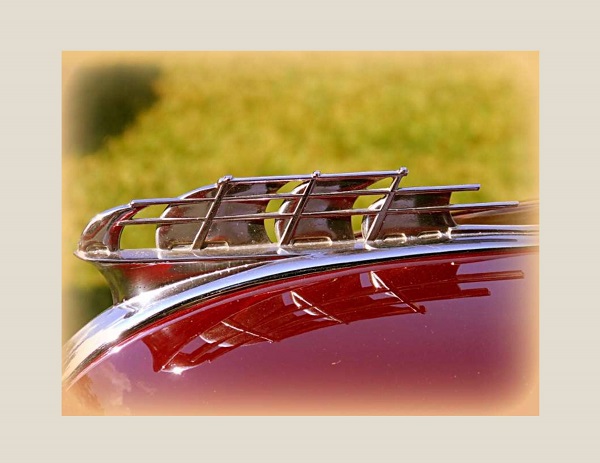
Plymouth “Mayflower” (1930s): Detailed representations of the historic Mayflower ship, blending maritime heritage with 1930s styling.
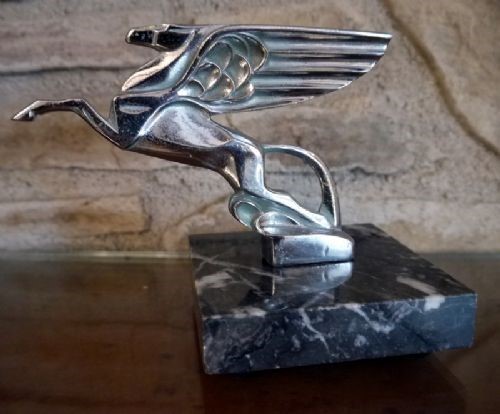
Duesenberg Pegasus (1930s): The rare and massive Duesenberg Model J cars featured a striking Art Deco winged horse taking flight.
Jet Age, Aviation & Streamline Motifs
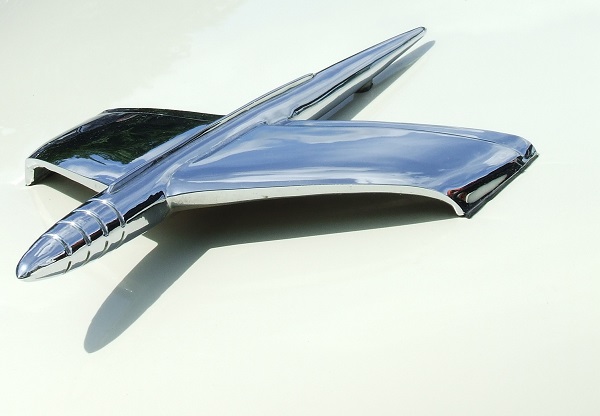
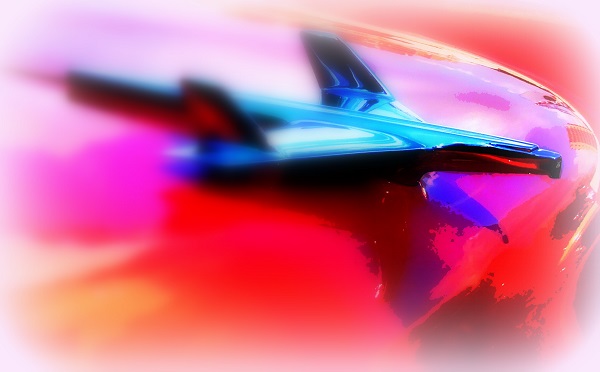
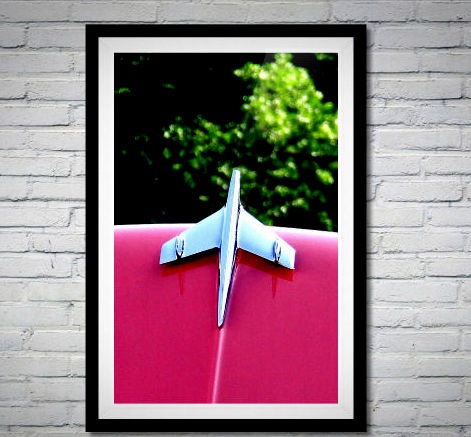
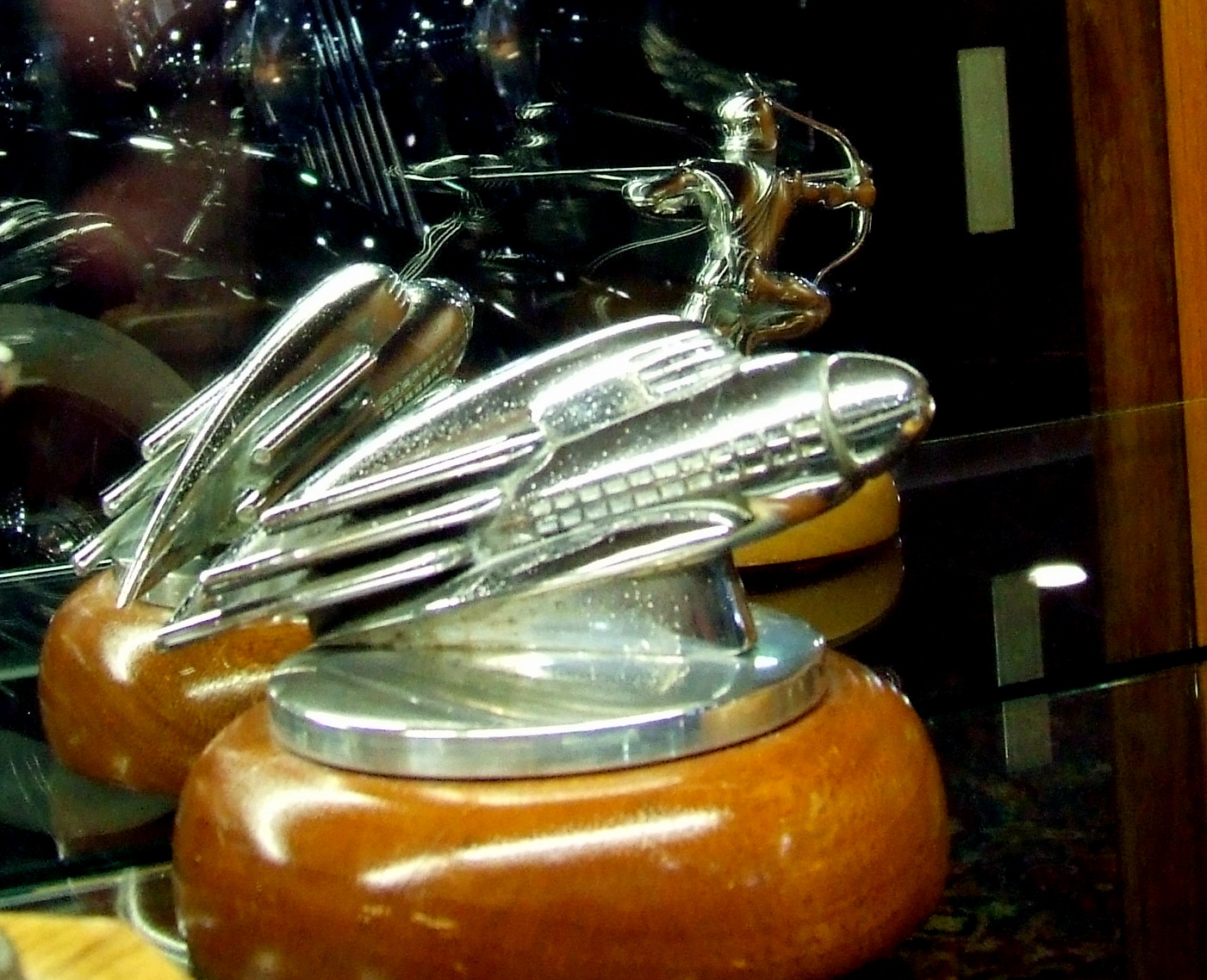
As the 1930s drew to a close and manufacturing resumed after World War II, hood ornament design shifted toward locomotives, fighter planes, rockets, and torpedoes.
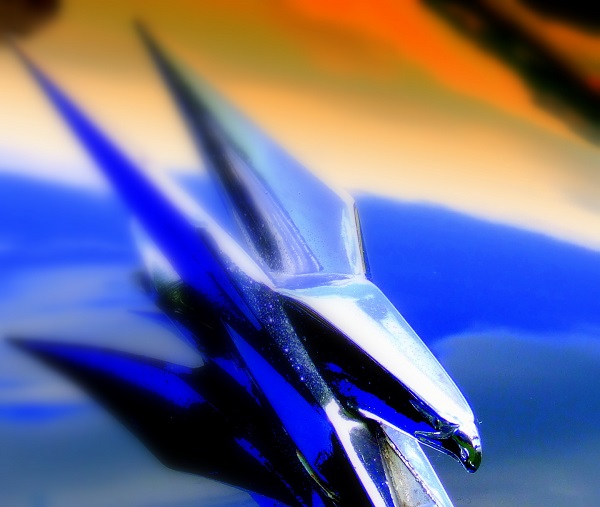
Buick “Bomb” / Torpedo (1940s): Sleek, bullet-shaped, chrome projectiles with rear fins that heralded post-war design trends.
Chevrolet “Locomotive” / “Jet” (1940s): Post-WWII Chevrolet models featured chrome hood ornaments that mirrored streamlined locomotive fronts and emerging jet aircraft designs.
Oldsmobile “World & Wing” / Futuristic Bombers (Late 1940s): Evolving into rocket-like silhouettes as Oldsmobile introduced its famous “Rocket V8” engine at the end of the decade.
The decline and eventual disappearance of hood ornaments was driven by a combination of lost practical function, safety regulations, aerodynamic demands, and cost/security concerns, Some makes like the Jaguar, Bentley and Rolls Royce still retain these fabulous works of art. Modern Rolls-Royce vehicles feature motorized mechanisms that automatically retract their famous hood ornament, the Spirit of Ecstasy into the bodywork upon impact or when the car is locked specifically to prevent theft and comply with safety regulations.

