Dr. Seuss, also known as: Theodor Seuss Geisel (born March 2, 1904, Springfield, Massachusetts, U.S.—died September 24, 1991, La Jolla, California) was an American writer and illustrator of immensely popular children’s books noted for their nonsense words, playful rhymes, and unusual creatures.
He began working for Life, Vanity Fair, and other publications as an illustrator and humorist. After his first book for adults, The Seven Lady Godivas (1939), fared poorly he focused on children’s books, which he preferred. In many profiles and articles, he is often quoted as having said, “Adults are obsolete children, and the hell with them.”
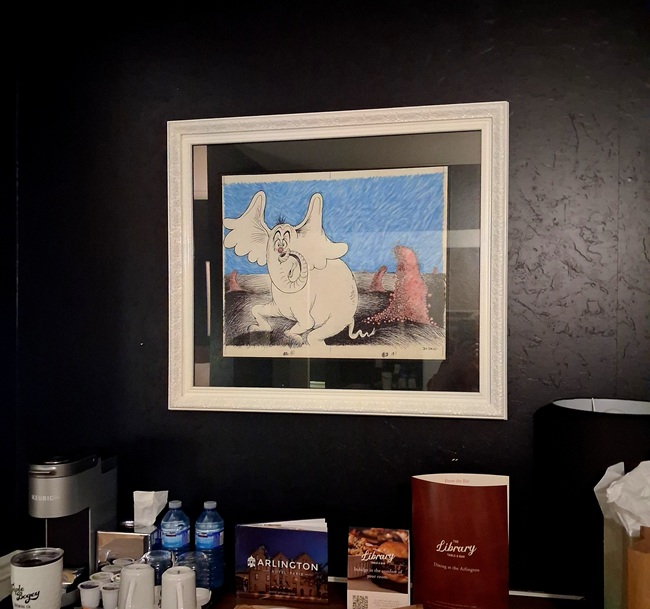
After publishing several children’s works, Geisel released Horton Hatches the Egg in 1940. With it, he introduced the features that would come to define his books: a unique brand of humour, playful use of words, and outlandish characters. It centers on an elephant who is duped into sitting on the egg of a bird who goes on vacation. Despite various hardships, Horton refuses to leave: “I meant what I said, and I said what I meant. An elephant’s faithful one hundred percent!” In the end, he is rewarded when the egg hatches, and a creature with bird wings and an elephant’s head emerges.
In 1984 Geisel received a Pulitzer Prize “for his special contribution over nearly half a century to the education and enjoyment of America’s children and their parents.” The honour underscored the immense popularity of his works, which were perennial best sellers. According to various reports, by the early 21st century more than 600 million copies of Dr. Seuss books had been sold worldwide.
Why seven of his children’s books were banned!
Children’s books provide impressions and messages that can last a lifetime, and shape how children see and understand themselves, their homes, communities, and world. A long history of research shows that text accompanied with imagery, such as books with pictures, shapes children’s racial attitudes. When children’s books center Whiteness, erase people of colour and other oppressed groups, or present people of colour in stereotypical, dehumanizing, or subordinate ways, they both ingrain and reinforce internalized racism and White supremacy.
With Dr. Seuss bringing joy to so many, how do we reconcile that with the controversial elements in his work? The dilemma lies in appreciating the nostalgia that his books inspire while acknowledging the problematic aspects that are evident today. Many parents and educators find themselves in a paradox, where they wish to celebrate the whimsical nature of Seuss while grappling with the messages that may counter their values and beliefs about inclusivity and respect.
The debate surrounding Dr. Seuss exemplifies how literature is never static; it evolves with society’s values and beliefs. As we grapple with understanding past works in the light of modern sensibilities, it is essential to take a balanced approach that honors the joy of storytelling while remaining critical of historical shortcomings.
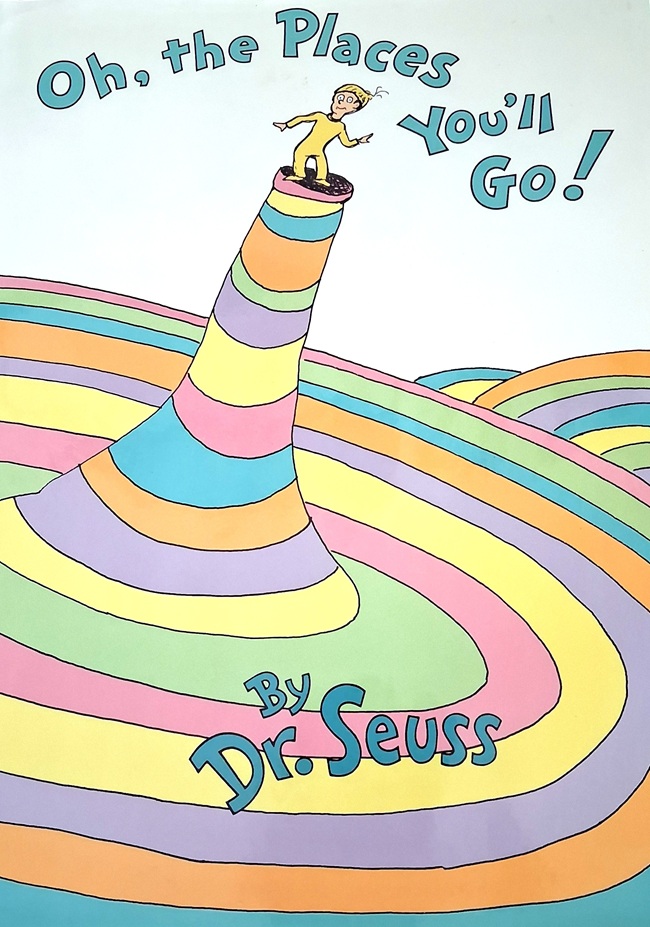
A book I received when my husband and I were leaving on a three months trip to Australia and New Zealand – Oh, the places you will go! Just goes to show some people never grow up!