
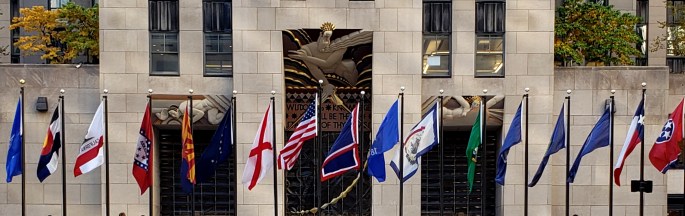
Long before glowing smartphones and endless streaming algorithms fractured our evenings, Sunday nights belonged to a single living room ritual: turning on CBS at 8:00 PM to see what Ed Sullivan had brought into the living room.
For twenty-three years, from 1948 to 1971, Sullivan served as America’s grand master of ceremonies. Unlikely as it seemed—with his stiff posture, trademark hunch, and famously dry delivery—he possessed an incomparable knack for giving everyone in the house a reason to gather around the tube.
Ed Sullivan was popular because his Sunday night variety show offered a unique “window to the world” with something for every family member. On any given Sunday, 30 to 40 million viewers tuning in might witness: Opera singers belting a classic aria followed immediately by graceful ballet dancers, plate-spinners, acrobat troupes, ventriloquists, and trained animals doing backflips. Fiery rock ‘n’ roll legends, soothing folk singers, and soulful Motown hitmakers sharing the same stage. It was a delightful, eclectic mix where a teenager waiting for a pop star had to sit politely through a classical violinist, and a grandparent tuning in for a big band tune might just end up tapping their foot to rock ‘n’ roll.
Beyond the glitz, Sullivan was a quiet pioneer with a big heart. During a time of deep segregation, he routinely defied racist sponsor pressures and southern station resistance, insisted on booking prominent Black performers, and championed talents like Nat King Cole, Ella Fitzgerald, James Brown, and The Supremes on prime-time national television.
He also had a uncanny pulse on youth culture:
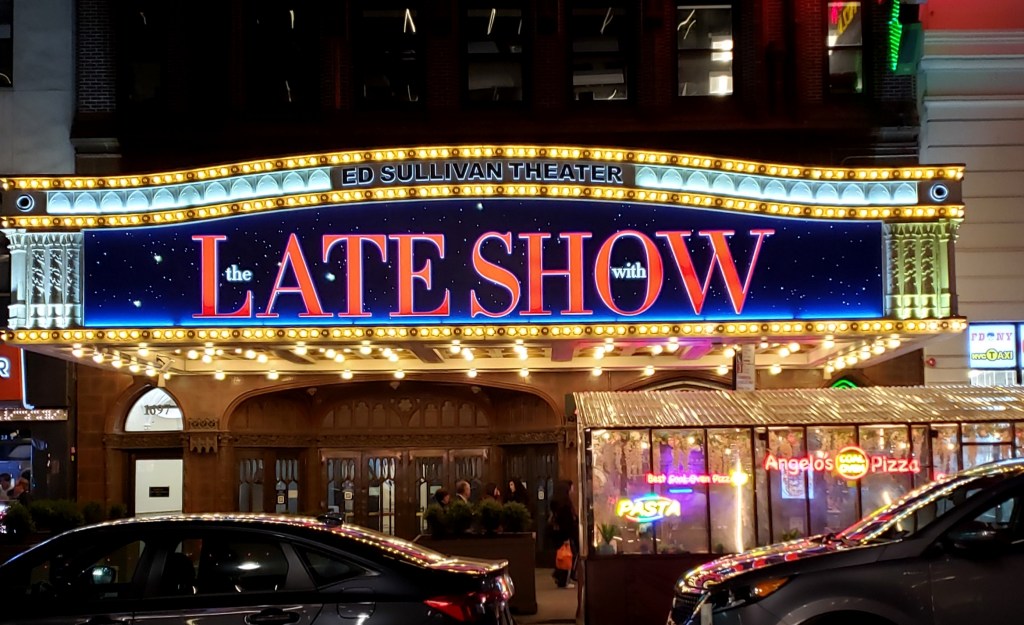
Elvis Presley’s 1956 appearances popularized rock and roll globally, despite network censors famously filming him only from the waist up to hide his provocative dancing. The Beatles made their legendary U.S. television debut on the show in February 1964, watched by an estimated 73 million people, which instantly ignited nationwide fandom.
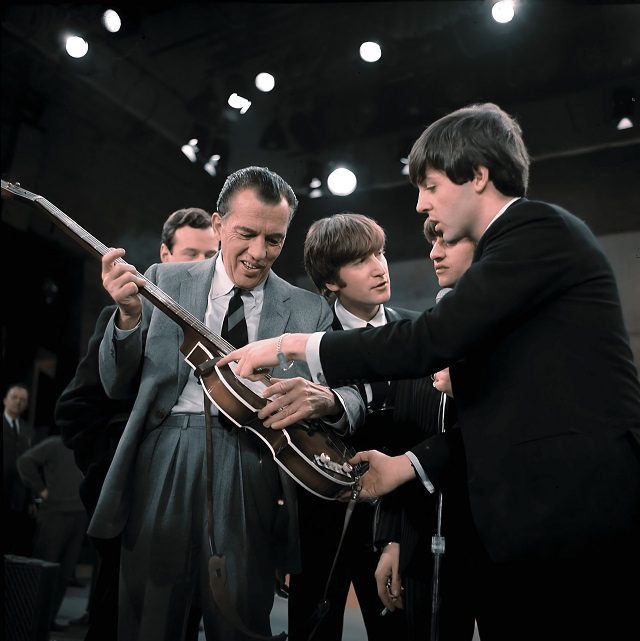
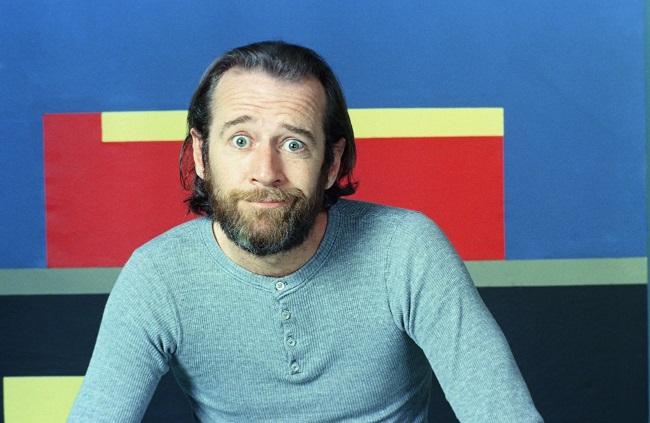
The stage hosted breakthrough performances from foundational acts like the Rolling Stones, the Doors, and the Supremes. Young or counter-cultural comedians—including George Carlin, Richard Pryor, and Woody Allen—gained mainstream viability after performing on the program.
By the time the curtain finally fell in March 1971(after 23 years on the air) as networks shifted toward modern, youth-focused programming, The Ed Sullivan Show had left an indelible mark on history—a charming relic of a time when the whole family, and indeed the whole country, shared the very same front-row seat.

