

1. The Logic of Inevitability
For many, fearing death is seen as an unnecessary tax on the mind because it is completely unavoidable. Since it is a universal certainty that applies to everyone, worrying about it is viewed as a waste of precious energy.
- Accepting the Unavoidable: Death is simply a guarantee. Fearing it is described as being as counterproductive as fearing basic, everyday bodily functions.
- A Release from Anxiety: Acknowledging that you cannot stop death allows people to drop the burden of trying to avoid it, freeing them from “unjust anxiety.”
- Probability and Modern Life: In the modern world, the vast majority of people live to old age. Because it is a distant certainty for most, there is no logistical reason to let it overshadow the present.
2. The Preservation of “The Present”
Obsessing over death actively ruins the only thing we actually possess: life. Those who do not fear death choose to focus entirely on the quality of their Earthly existence.
- Living Mindfully: As Bob Marley suggests, if you know what life is worth, you look for it on Earth. The human brain is naturally wired to focus on waking up, making plans, and looking forward to tomorrow.
- Lessons from Tragedy: Witnessing the loss of a loved one—even a child—often highlights just how fleeting and fragile life is. Instead of causing fear, this realization inspires people to face life with excitement, wonder, and gratitude.
- Avoiding a Half-Life: To fear death is to stop living entirely. It is better to live a short life full of vitality than a long life paralyzed by fear. As one person noted: “If the grim reaper wants me, he knows where I am.”
3. The Nature of Consciousness (The “Switch” Theory)
Many individuals derive peace from the biological and philosophical reality of what death actually is: the total cessation of consciousness.
- The Absence of Experience: You cannot actively “experience” being dead. Just as you do not consciously experience the hours spent in a dreamless sleep every night, you won’t be there to miss life or feel nothingness.
- The Sweet Release: In death, all suffering, pain, and fighting cease. Even though joy is gone too, you lack the consciousness to miss it. It is a state of total, permanent peace.
4. The Metaphor of “Leaving the Party”
Perhaps the most poignant reason people do not fear death is the natural weariness that comes with a long, full life. Death is not seen as a failure, but as the natural culmination of a book’s chapters.
- Knowing When It’s Time to Go: Life is compared to a great party. Eventually, you have had your fill, the crowd thins, and the music changes to tunes you no longer recognize. Staying longer means risking becoming a burden or watching your quality of life deteriorate.
- Comfort in the Next Generation: There is peace in seeing the “newer guests” keeping the party going, allowing the older generation to step away gracefully.
- The Desire for Rest: For those who live to a ripe old age, the thought of living forever becomes exhausting. Death is reframed not as a terrifying void, but as a beautiful, well-earned, “good, long sleep.”
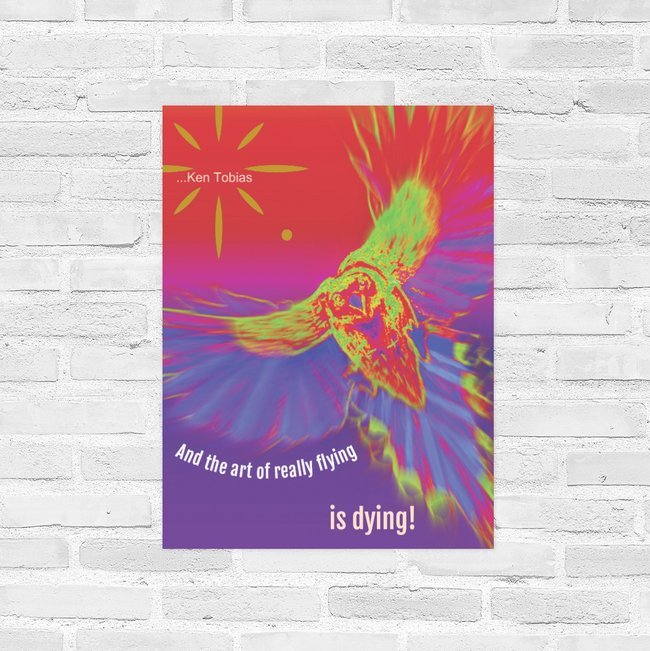
In this song is he talking about the ability to fly or that dying is the biggest flight your soul will take?
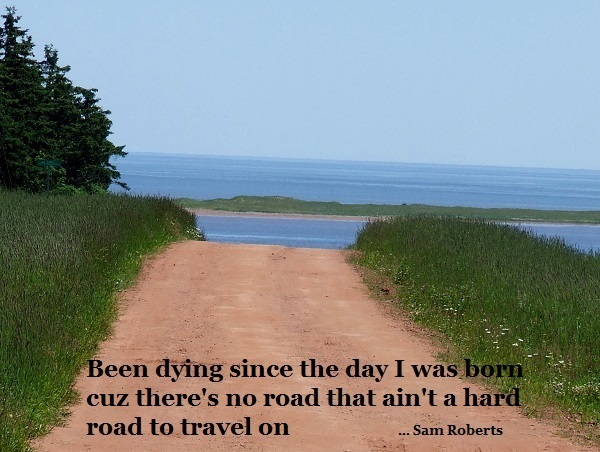
As soon as you are born, you are on the road to death. I’d rather live a short life full of life than a long life of nothing. Some people have no fear of death because they get the point. They enjoy the trip without worrying about the destination.
 REFLECTIONS OF A SWAMPER