Erté: A Journey Through Art and Elegance

Romain de Tirtoff was born on  November 23, 1892 in Saint Petersburg, Russia to an aristocratic family. He was a pioneering Russian-born French artist and designer known as the “Father of Art Deco”. His designs included dresses and accessories for women; costumes and opulent sets for opera, ballet, and dramatic productions; and posters and prints. Moved to Paris, France, in 1912 against his family’s wishes to pursue art. Adopted the pseudonym Erté, which is the French pronunciation of his initials R.T. (Romain de Tirtoff).

He wrote his autobiography, Things I Remember in 1975. Erté’s legacy serves as a reminder of the intersection between art and society, illustrating how a singular artistic voice can resonate across generations and shape cultural narratives. The name remains a symbol of elegance and aesthetic excellence, firmly rooted in the annals of art history.

The Hoover Dam: Engineering Marvel of the Great Depression

Imagine we are stepping into the dirty 1930s—a time when the American nation was brought to its knees by the Great Depression, yet somehow we reached for the sky to accomplish the impossible.  Imagine standing at the edge of the Black Canyon in 1931 which straddles the borders of Nevada and Arizona. Below you, the wild Colorado River rages—an untamed beast fed by the distant, melting snows of the Rocky Mountains. For decades, it had been a force of devastation, unleashing relentless floods that swallowed nearby farms, wiped out settlements, and threatened the fragile dream of expanding the American West.

Over five grueling years, thousands of men descended upon the desert heat to carve through solid rock, plunging more than 500 feet into the canyon walls. They carved out miles of subterranean tunnels and laid massive 30-foot-wide steel pipes known as penstocks. Together, they poured a mind-boggling 3.125 million cubic yards of concrete—creating a monolithic arch-gravity wall that weighs more than 6.6 million tons and rises to an astonishing 726.4 feet.

Not an AI generated photo but an actual aerial view of Hoover Dam

Initially called the Boulder Dam before being renamed the “Hoover Dam”, this structure didn’t just tame the river—it redefined the Southwest. It birthed Lake Mead, the largest man-made reservoir in the United States, plunging to depths of 532 feet at full capacity and holding enough water to submerge the entire state of Pennsylvania a foot deep. It provided life-giving irrigation to arid desert fields, provided steady jobs when the country needed them most, and fired up massive hydroelectric generators that sent clean, roaring electricity straight to the burgeoning neon lights of Las Vegas and the sprawling neighborhoods of Los Angeles. It was, quite rightfully, crowned by the American Society of Civil Engineers as one of America’s Seven Modern Civil Engineering Wonders.

While the concrete titan itself may stand virtually forever, its functional heart is racing against time. Lake Mead is shrinking. When regional leaders signed the 1922 Colorado River Compact, they made a critical error: they promised more water to surrounding states than the river actually possessed. Today, that mathematical miscalculation has caught up with us. Driven by long-term drought, hotter temperatures evaporating the reservoir’s surface, dwindling snowpack in the Rockies, and the relentless demand of millions of people and farms, more water is being pulled out than the river can replenish.

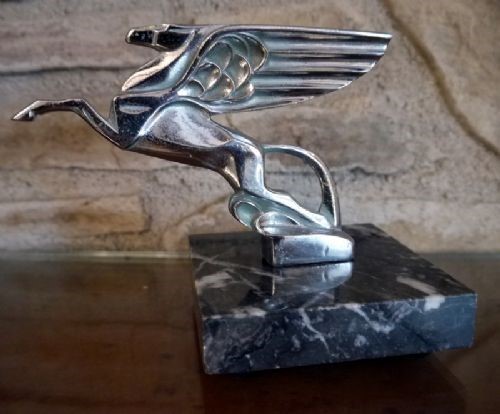
Iconic Hood Ornaments: Styles from the 1930s-1950s

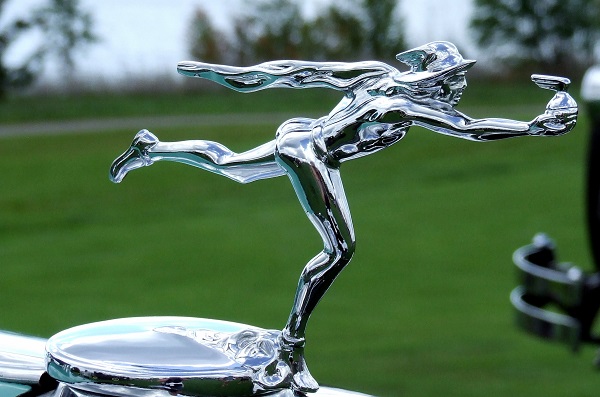
Winged Goddesses & Flowing Figures

Human figures—particularly wind-swept, winged women—were widely popular to symbolize elegance, freedom, and speed.

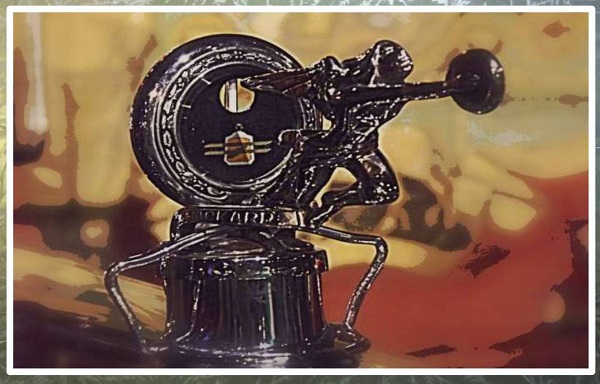
Packard “Goddess of Speed” (1930s):   Features a graceful woman leaning into the wind while holding a rubber automobile tire out in front of her.

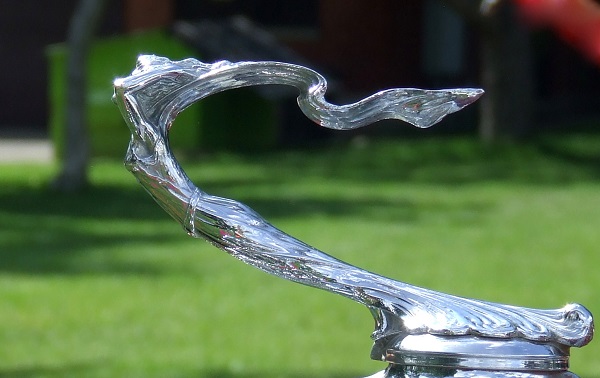
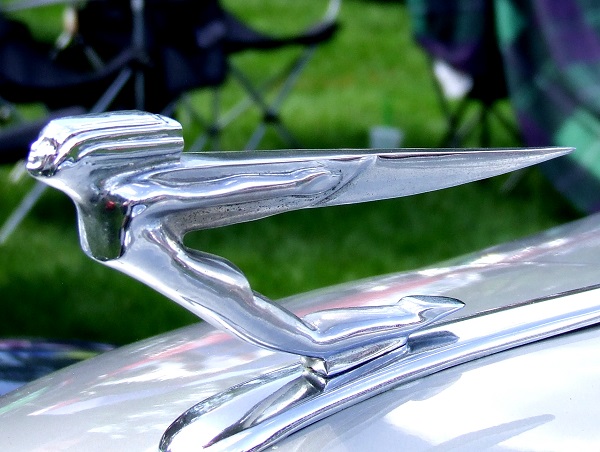
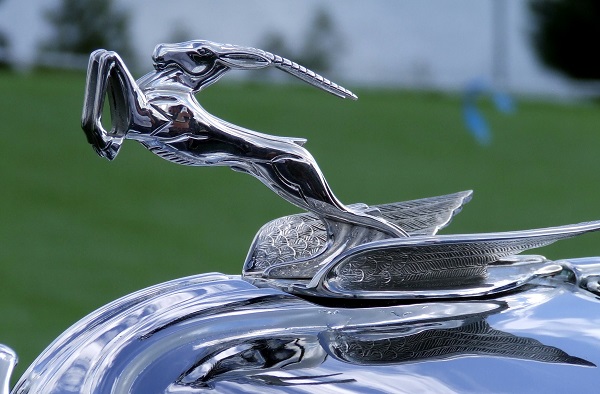
Cadillac “Flying Goddess” (1930s–1940s): Introduced in the early 1930s, this sleek figure evolved throughout the decade, becoming progressively more streamlined to complement Cadillac’s V-8, V-12, and V-16 flagship models.

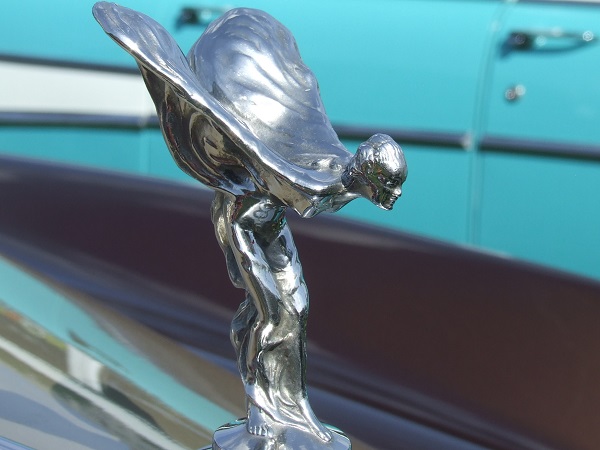
Rolls-Royce “Spirit of Ecstasy”: Though originally designed in 1911, it became lower and more swept back during the 1930s and 1940s to match lower hood profiles, including a kneeling variation introduced in 1934.

Animals in Motion

Speed and grace were frequently represented using athletic animals captured mid-leap or mid-flight.

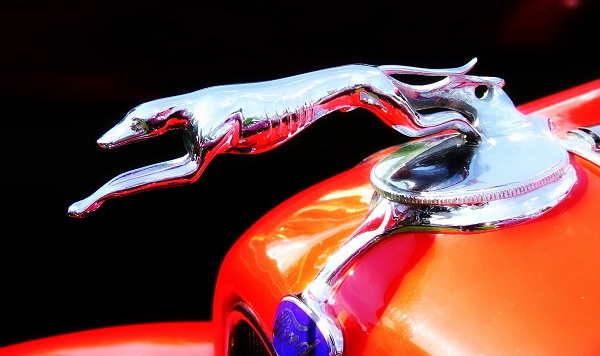
Lincoln Greyhound (1930s): A sleek, elongated chrome greyhound leaping forward, chosen by Edsel Ford to represent speed, stamina, and elegance.

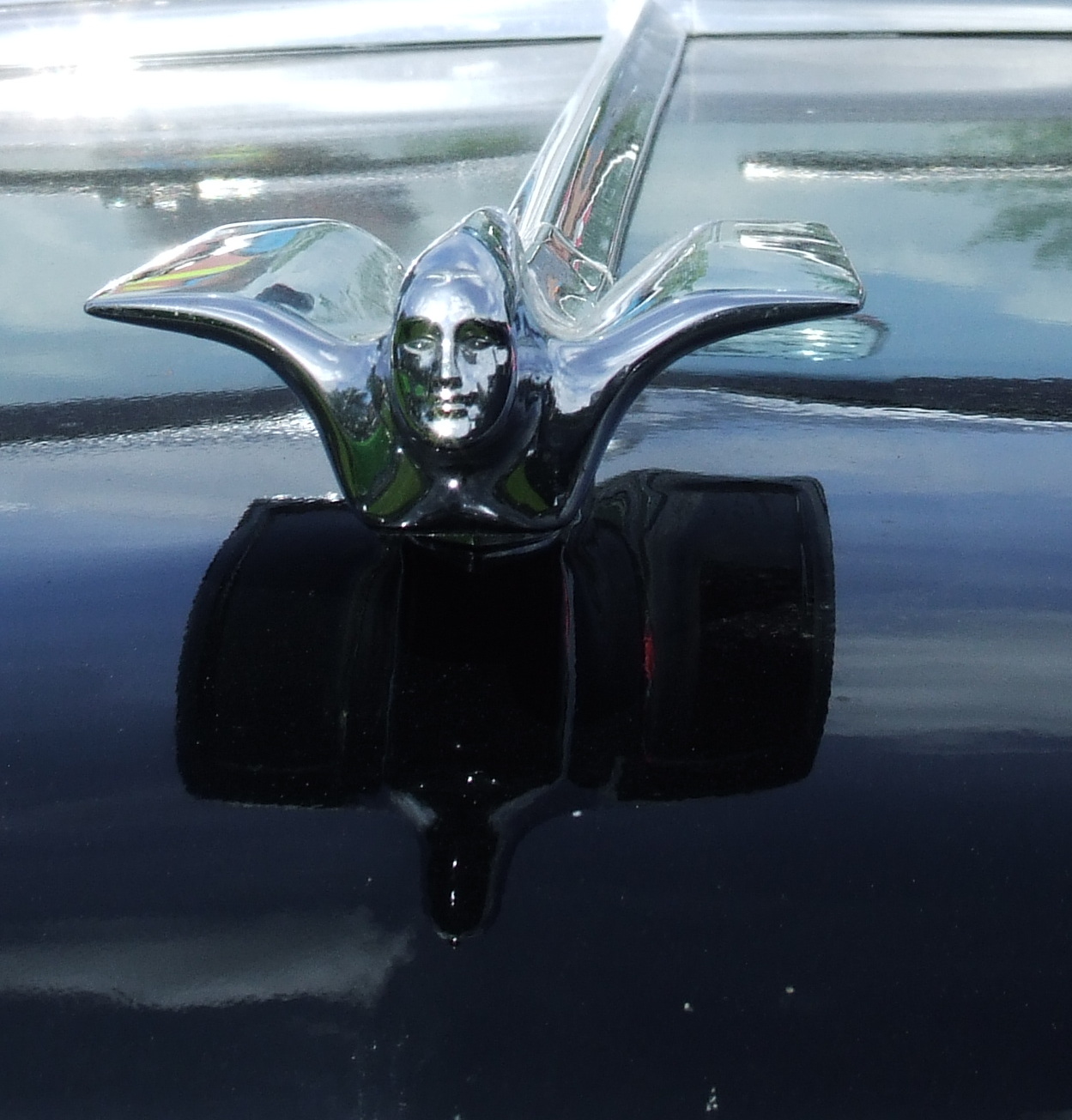
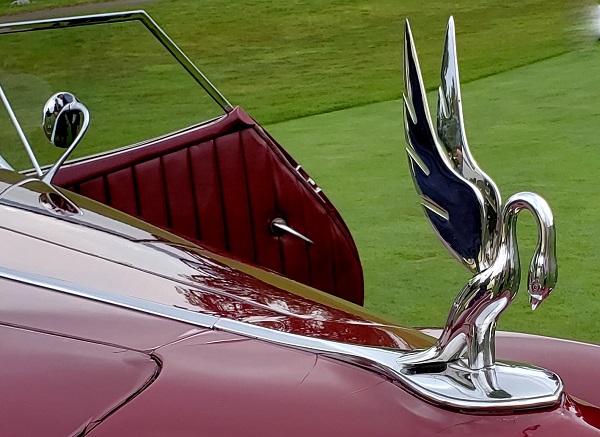
Packard Pelican / Cormorant (1930s–1940s): Used alongside the Goddess of Speed on senior models, this stylized bird with outstretched wings was based on the Packard family crest.

Dodge Leaping Ram (1930s–1940s): Designed by sculptor Avard Fairbanks in 1931, the muscular ram standing on its hind legs became an iconic symbol for Dodge’s ruggedness.

Ford Model A “Flying Quail” (1930–1931): Featured a quail with its wings spread, symbolizing quick acceleration (“quick as a quail”).

SS Jaguar / Jaguar Leaper (Late 1930s–1940s):  The classic leaping jaguar mascot made its debut on the 1936 SS Jaguar 2½ Litre sports saloon.

Cultural, Mythological & Heraldic Figures

Automakers often drew from history, mythology, or folklore to imbue their vehicles with strong brand identities.

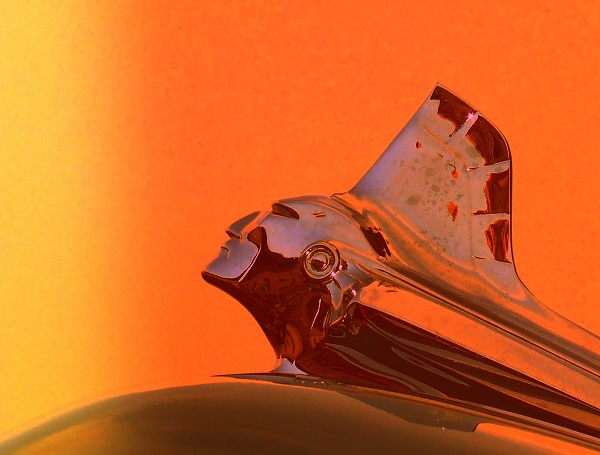
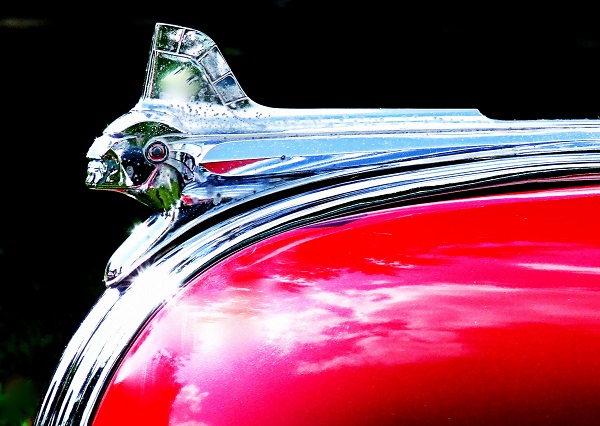
Pontiac Chief / Indian Head (1930s–1940s):  Designed in honor of Chief Pontiac, these ornaments ranged from full-bodied statues in the early 1930s to amber-tinted lucite heads in the late 1940s that glowed when the headlights were turned on.

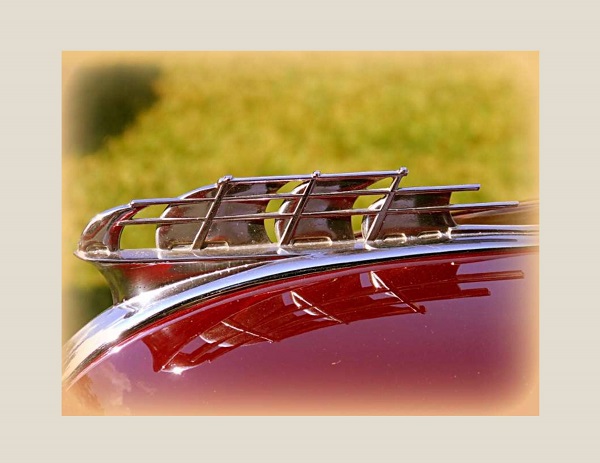
Plymouth “Mayflower” (1930s):  Detailed representations of the historic Mayflower ship, blending maritime heritage with 1930s styling.

Duesenberg Pegasus (1930s):  The rare and massive Duesenberg Model J cars featured a striking Art Deco winged horse taking flight.

Jet Age, Aviation & Streamline Motifs

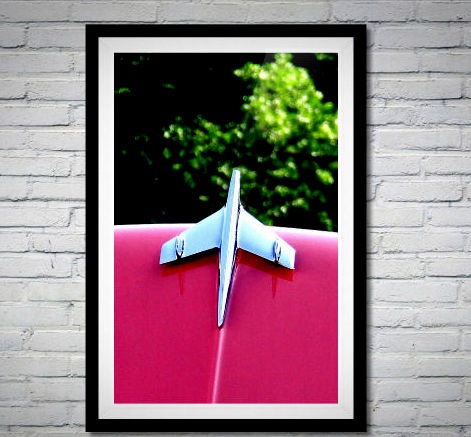
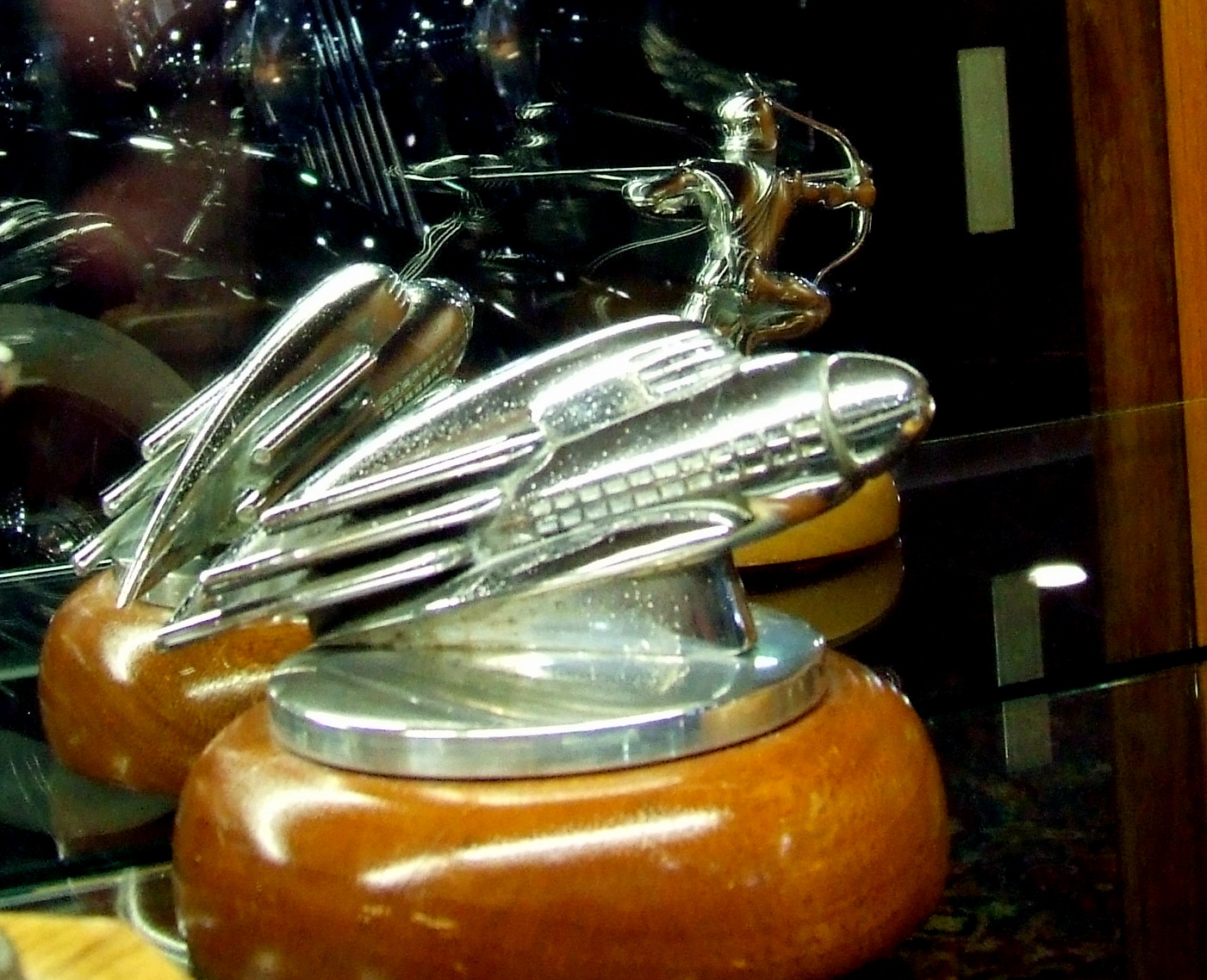
As the 1930s drew to a close and manufacturing resumed after World War II, hood ornament design shifted toward locomotives, fighter planes, rockets, and torpedoes.

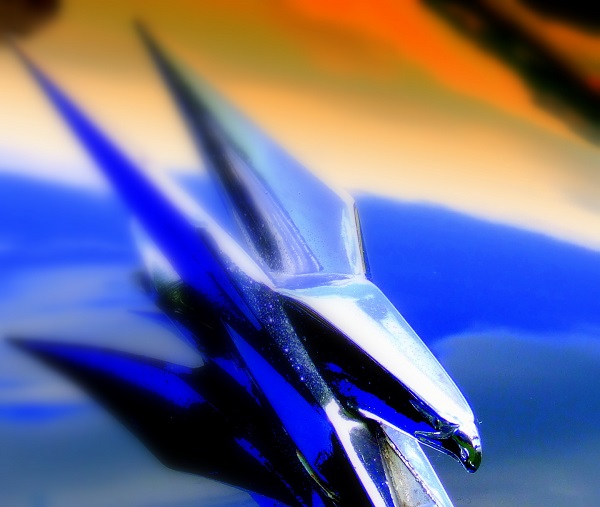
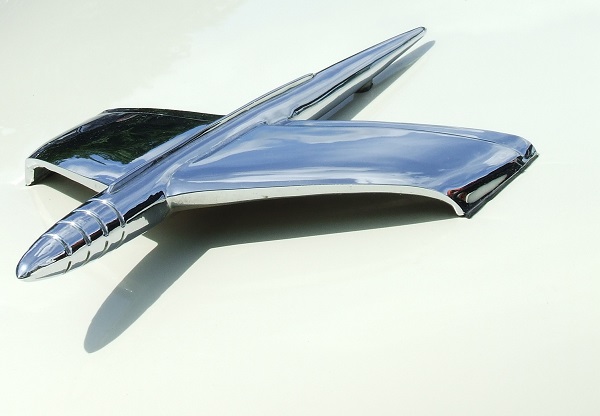
Buick “Bomb” / Torpedo (1940s): Sleek, bullet-shaped, chrome projectiles with rear fins that heralded post-war design trends.

Chevrolet “Locomotive” / “Jet” (1940s):   Post-WWII Chevrolet models featured chrome hood ornaments that mirrored streamlined locomotive fronts and emerging jet aircraft designs.

Oldsmobile “World & Wing” / Futuristic Bombers (Late 1940s): Evolving into rocket-like silhouettes as Oldsmobile introduced its famous “Rocket V8” engine at the end of the decade.

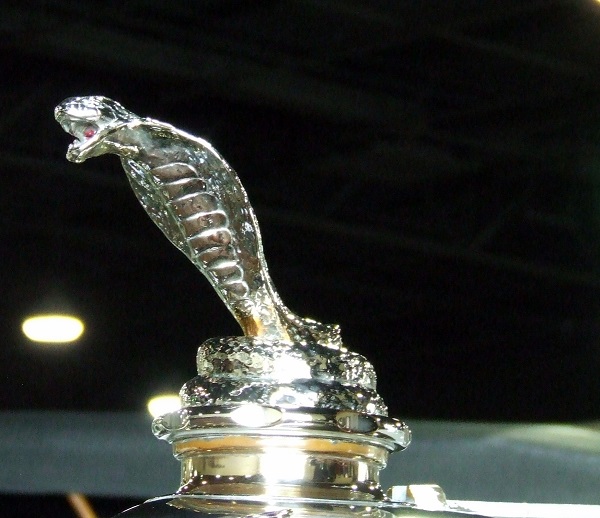
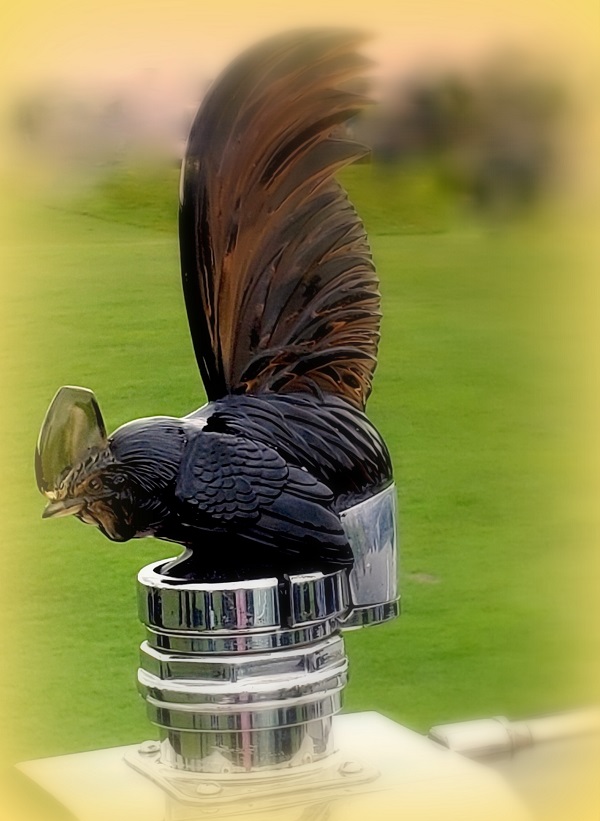
The decline and eventual disappearance of hood ornaments was driven by a combination of lost practical function, safety regulations, aerodynamic demands, and cost/security concerns, Some makes like the Jaguar, Bentley and Rolls Royce still retain these fabulous works of art. Modern Rolls-Royce vehicles feature motorized mechanisms that automatically retract their famous hood ornament, the Spirit of Ecstasy into the bodywork upon impact or when the car is locked specifically to prevent theft and comply with safety regulations.

LOW RIDER

The song “Low Rider” from the 1975 album “Why Can’t we be Friends” by War is often thought of as a drug song due to the take a little trip chorus and the line that says the low rider is a little higher but that was not the intention according to the members of the band.

A low rider is a car, and also a culture. “Low Riders” are modified with hydraulic lifts that allow the driver to lower each wheel and make the car bounce. They are often customized with outrageous paint jobs, tiny steering wheels and swivel seats. The culture formed around these cars is big in the Southwestern US, and popular in Latino culture. Most of the band grew up in Southern California and were immersed in low rider culture.

As for War’s history, they are a multi-ethnic musical group formed in 1969 in Long Beach, California. They are known for their blend of jazz, rock, funk, and R&B and their politically charged lyrics. They have released several critically acclaimed albums and are considered one of the pioneers of the funk rock genre.

“Calling ourselves War was a positive thing: we were waging war against war and the conflicts going on in our back yard. Our weapons were our instruments, which fired rhythms, melodies and most of all harmony. We were a multi-ethnic band and we used our songs to bring peace and love.”

  The iconic lead vocals of “Low Rider” were performed by War’s saxophonist, Charles Miller.

“Marilyn Monroe Buildings”

Monroe buildings

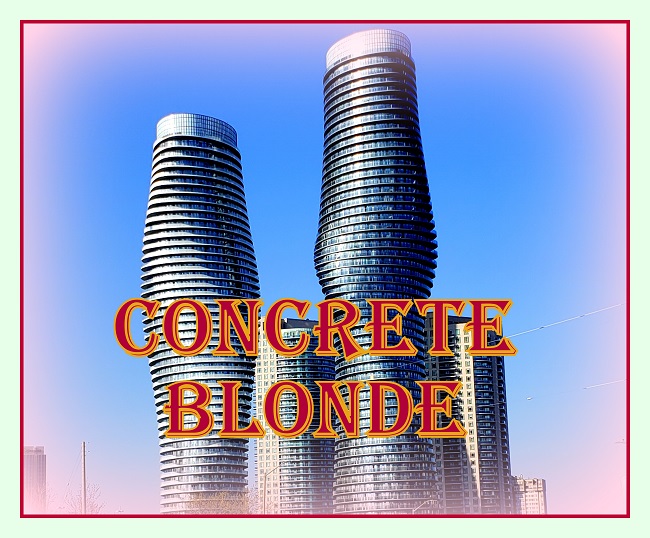
If you’ve ever driven through Mississauga and thought, “Wait, are those skyscrapers dancing?”—you’re not entirely wrong! Officially named Absolute World, these two jaw-dropping residential condos are fondly known to locals and architecture nerds worldwide as the “Marilyn Monroe Towers.”

Back in 2006, the project developers decided they were tired of the usual, boring “box-shaped” suburban high-rises. They launched an international design competition to find something truly unique for the intersection of Hurontario and Burnhamthorpe in Mississauga, Ontario.

A young, up-and-coming Beijing-based firm called MAD Architects (led by founder Yansong Ma) swooped in with a daring, fluid design and took home first prize. It was actually the first time a Chinese architectural firm won an international competition for a major North American skyscraper!

The nickname caught on almost instantly. The taller tower (standing at a proud 56 storeys) features a stunning, hourglass silhouette that twists from its base all the way to the top. Locals instantly likened the building’s voluptuous, dramatic curves to Hollywood icon Marilyn Monroe.

The design was such a massive hit that the apartments sold out in mere days. The hype was so real that the developers quickly decided to add a second, 50-storey sister tower next door to keep her company (affectionately making them the “Condo Couple”).

Besides looking incredible on the skyline, the wavy design serves some pretty neat functions:

  • 360-Degree Views: Because each floor plate rotates every single condo unit gets its own unique angle and a continuous, wraparound balcony with breathtaking panoramic views.
  • Working with Nature: The continuous, deep balconies naturally shade the apartments from intense summer sun while letting in plenty of daylight.
  • Award Winners: In 2012, the Council on Tall Buildings and Urban Habitat officially crowned them the Best Tall Buildings in the Americas.

On a Carousel trying to catch up with you

I am an avid fan of the merry-go-round or carousel if you prefer. Riding a carousel is something almost everyone can do. But it’s more than just going around in circles.

The joy of the carousel is the simple pleasure of being free to go somewhere but nowhere at all. Merry-go-rounds are the luxury of time. For those few minutes, nothing is asked of us but to enjoy the ride.

I appreciate the painstaking effort of the carvers who made such exquisite pieces of art for the wonderment of children and adults a like. Though most carousels I remember had horses and chariots, organ music and lights there have been many made with circus animals, aquatic creatures, and bugs.

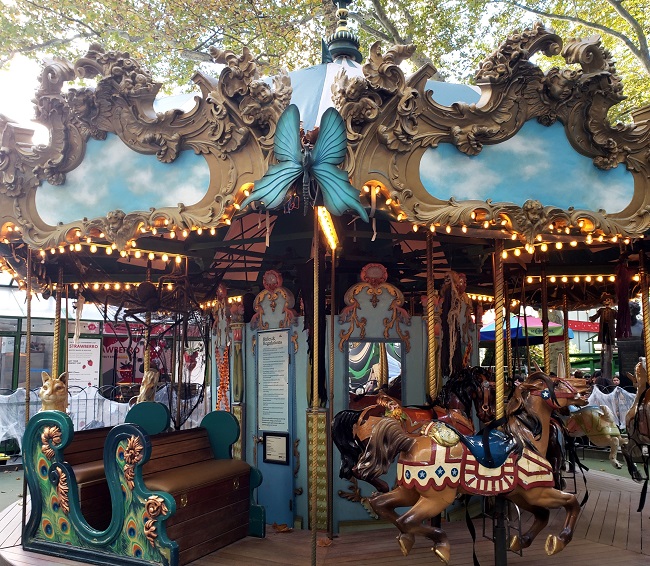
Bryant Park carousel

New York City is home to 14 carousels, each with its own distinct personality and history. Le Carrousel is an adorable 14-horse carousel in Bryant Park at 40th Street between 5th and 6th Ave. It has a French style that goes with the rest of Bryant Park.

Le Carrousel is open daily from 11am – 7pm almost all year round. It costs $3.00 per ride. This is the only one I had the opportunity to photograph during the time we were visiting.

Closer to home and an upcoming trip, I hope to get some good photos of the Lakeside Park Carousel in Port Dalhousie, Ontario which is about an hour and a half from our home in Kitchener, Ontario. Built in the early 20th century, it is one of the few remaining wood hand-carved carousels in Canada still operating at its original location, celebrated for its craftsmanship and nostalgic charm. It features 68 hand-carved wooden animals and four chariots and costs 5 cents a ride. Can you believe that?

Situated within Lakeside Park, a scenic area popular for picnics and beaches, the carousel evokes early 20th-century leisure culture. It is also referenced in the song “Lakeside Park” by the Canadian rock band Rush, which memorializes summertime memories at the site—further cementing its place in Canadian popular culture.

I am eagerly awaiting the day we go and will post photos when it happens. In the meantime, what kind of outings do you enjoy?
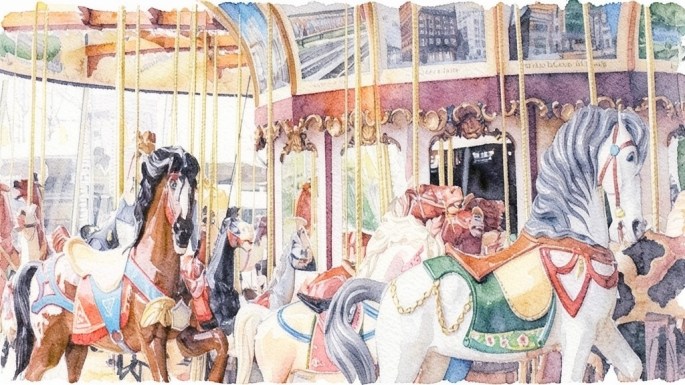
How do you tell nowadays, anyways!

how about we handle the truth

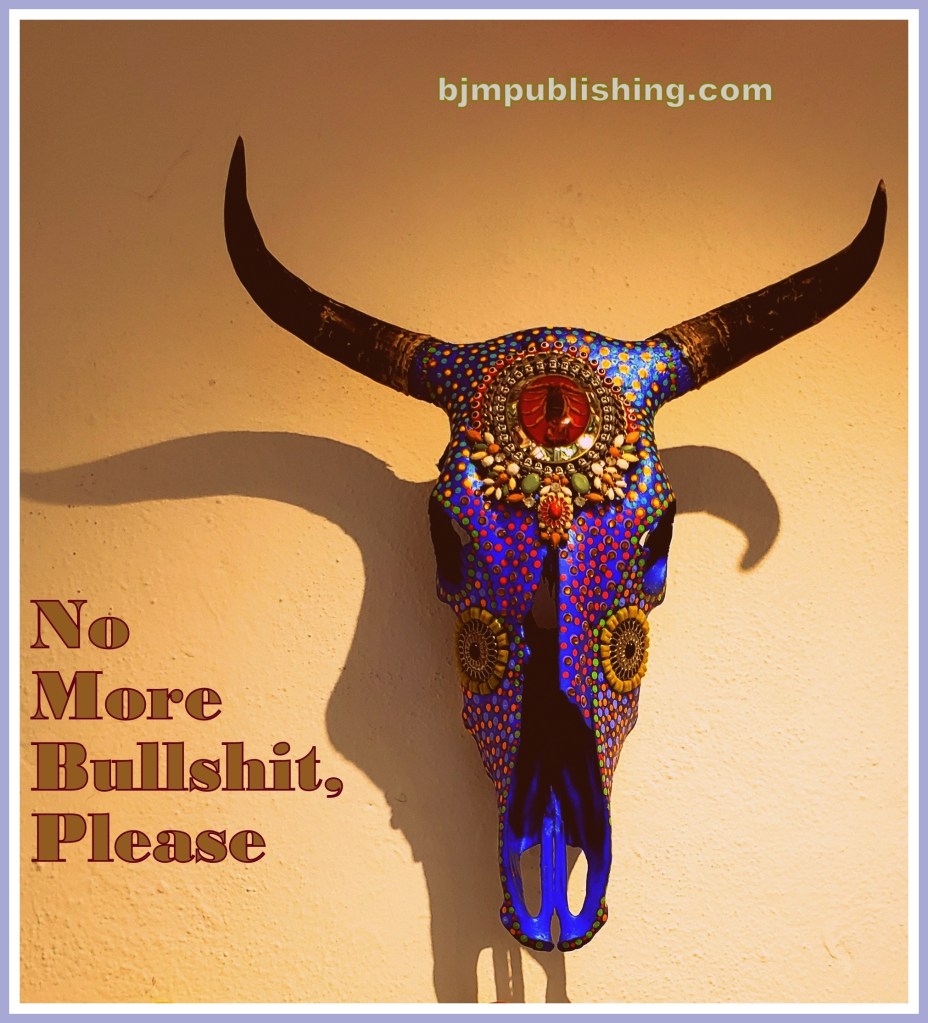
It’s a wild world out there, and frankly, the “bullshit meter” has to work harder than ever.

Bullshit often relies on outrage or extreme validation. If an article makes you feel immediately furious or smugly “right,” it’s likely designed to bypass your logic.
The Test: Ask, “Is this trying to inform me, or is it trying to make me feel something?”

Don’t just look at the website name—look at the URL and the “About Us” section. URLs that mimic real news sites (e.g., .co instead of .com) or sites that lack a clear masthead or editorial policy are a red flag. Don’t just read the site itself. Open a new tab and search for the site’s name. What do other reputable sources say about their credibility?

Quality writing links to primary sources (original studies, official transcripts, or direct data). A post that says “Scientists say…” without naming the scientists or linking to the actual study is likely bullshit. Click the links. Sometimes, a “source” is just another blog post from the same author, creating a circular loop of nothingness.
Search for the topic on a site known to have the opposite bias of what you’re currently reading. If the “facts” differ wildly, the truth is usually buried somewhere in the middle.

If you see a “breaking news” photo that looks too perfect, right-click and “Search Image with Google.” You might find that the “current” photo is actually from a protest in 2014 or a movie set.

A liar knows the truth and tries to hide it; a bullshitter doesn’t care what the truth is—they just want to get a reaction.

Kitchener’s Art Deco Nereids: A Sparkling Tale

Gather ’round, everyone! Lean in, because I’ve got a tale for you about two of Kitchener’s most famous “ladies” who spent decades looking for a permanent home.

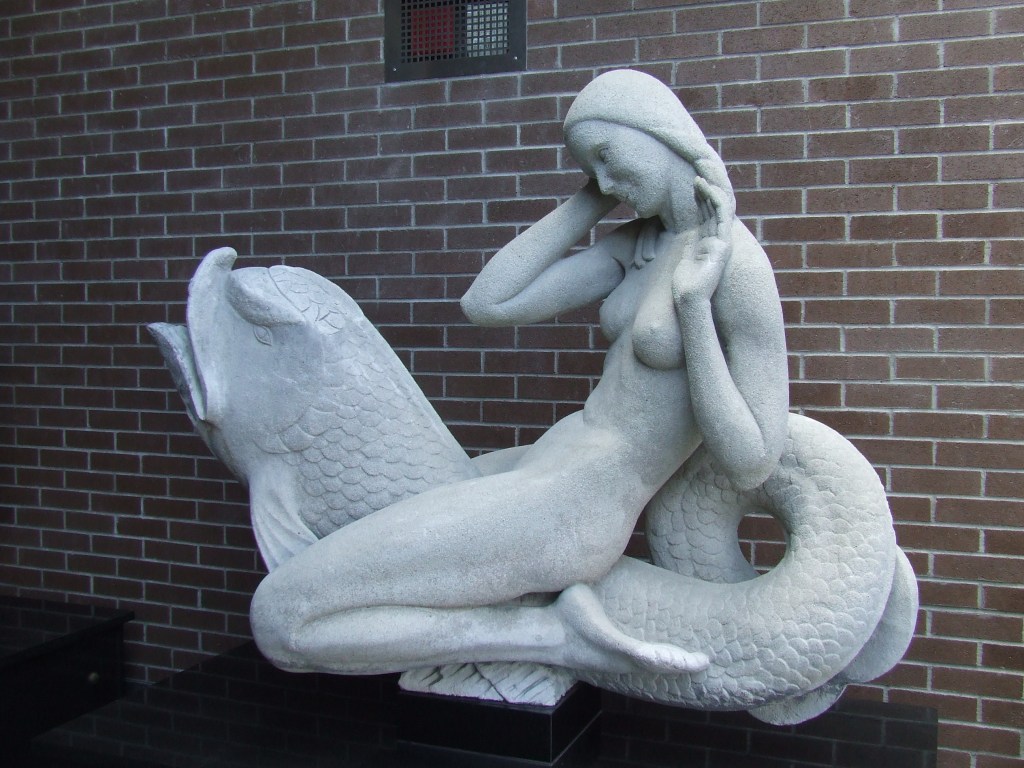
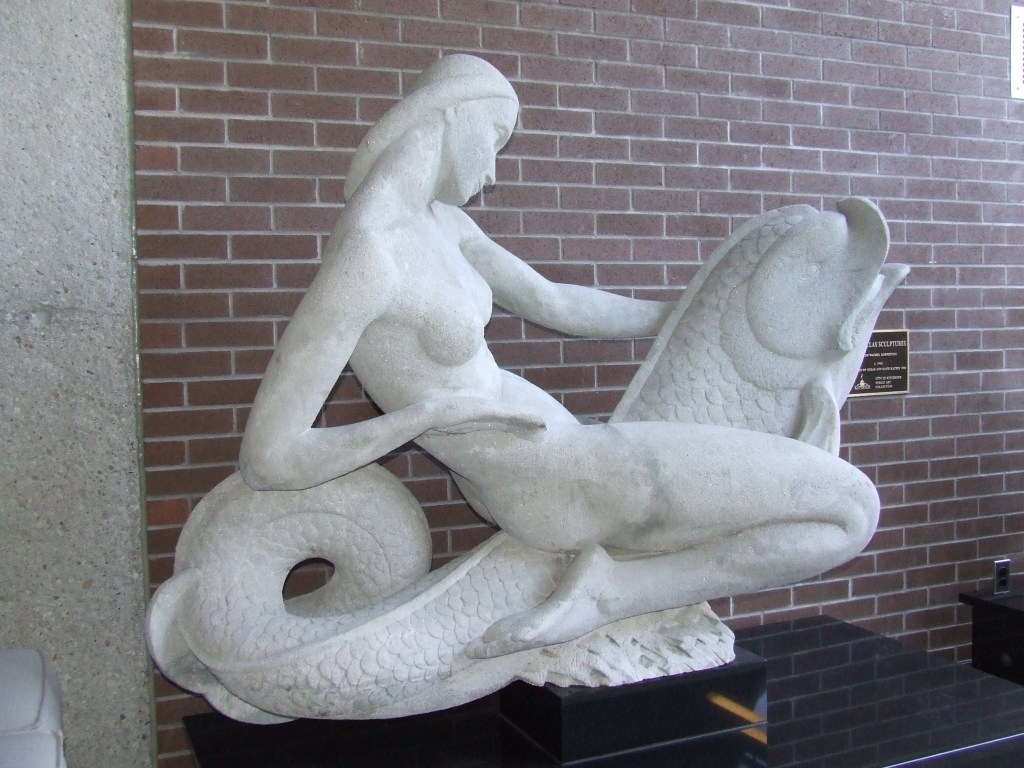
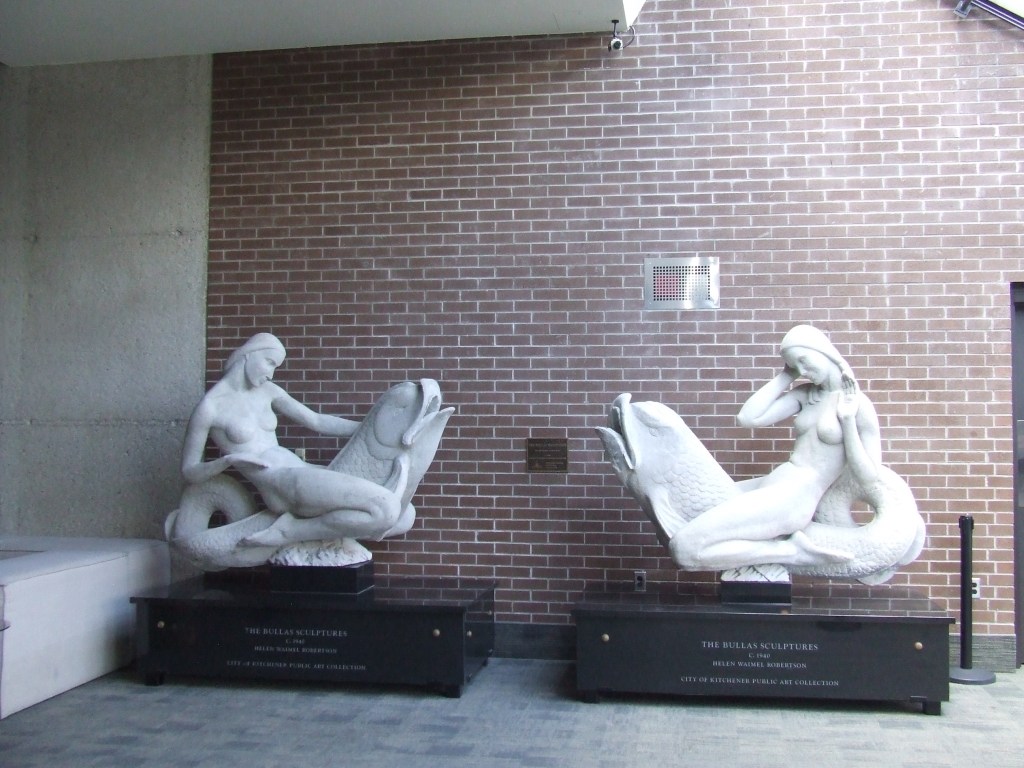
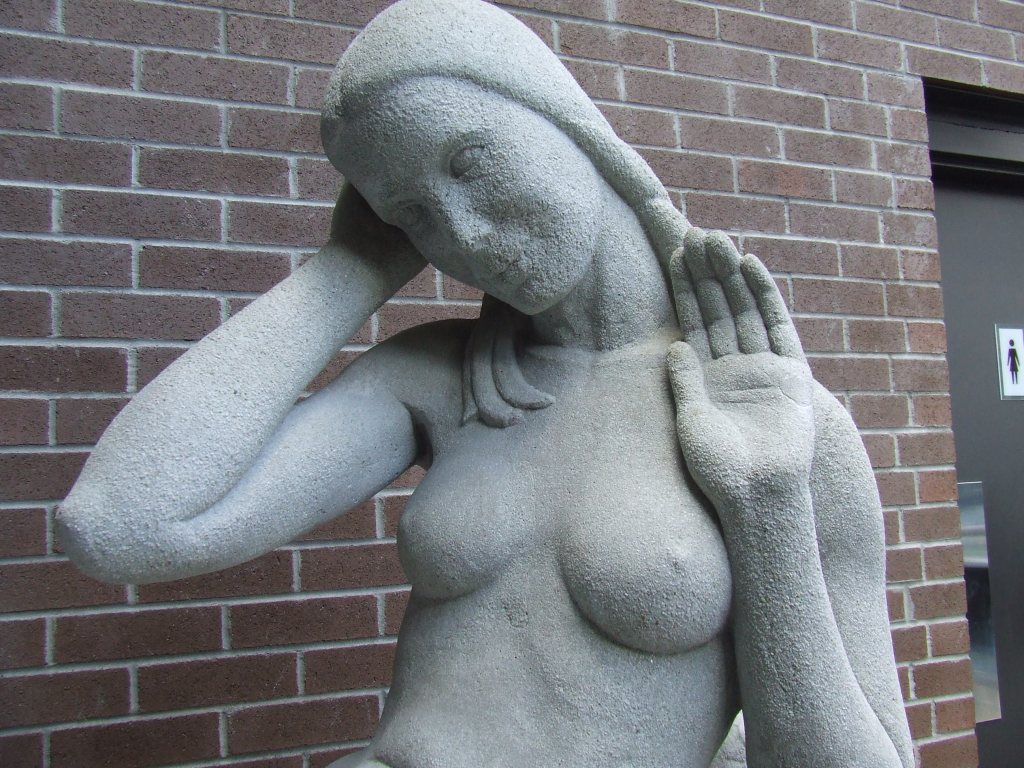
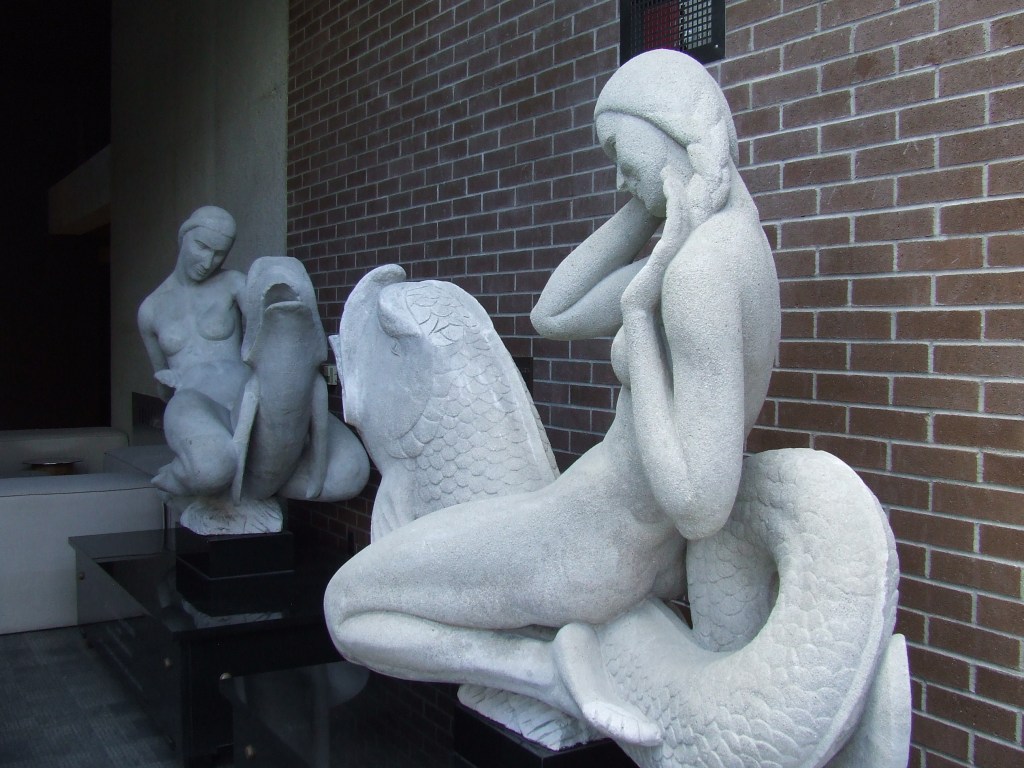
Imagine it’s 1940. A local artist named Helen Waimel Robertson—who was a total rock star in the sculpture world—decides to create something a bit “extra” for the era. She crafts these two stunning Art Deco statues. They aren’t just any statues, though; they’re sea goddesses, or Nereids*, elegantly hitching a ride on the backs of dolphins. *They represent the beauty and goodness of the sea.

Now, here’s the cool part: Helen didn’t just use plain old cement. She mixed in quartz aggregate. So, when the sun hits them just right, they don’t just sit there—they sparkle.

But back in the 1940s, Kitchener was a pretty quiet, conservative place. When a local businessman named Roy Bullas put these “nude” sea nymphs in a fountain outside his furniture store on Charles Street, it caused quite the stir! People weren’t exactly used to seeing mythical goddesses hanging out by the sidewalk. They became a local landmark, but they definitely raised a few eyebrows.

Fast forward about forty years. The wrecking ball arrives! The Bullas store is being torn down to build the downtown bus terminal. For a minute there, it looked like our sparkling goddesses might end up in a scrap heap. Luckily, a local couple, the Kachiks, stepped in like art-world superheroes and saved them from the rubble.

After that, the statues spent a long time hiding away in city storage—basically a dark, dusty basement. It wasn’t until 1998 that they finally got their “happily ever after.” Thanks to some serious persistence from the artist’s sister, the city brought them out of retirement.

Because they’re made of that special sparkling concrete, they couldn’t stay outside forever—the Ontario winters are a bit much for even a sea goddess! So, they were moved into the “refreshment” lobby of the Centre In The Square. Today, they stand there finally dry, warm, and ready to greet everyone coming to see a show.

So, next time you’re in the theatre for a performance, look for the ladies on the dolphins. They’ve survived the 1940s critics, a demolition crew, and years in a storage locker just to sparkle for you!

Note: A sculpture is a three-dimensional work of art. It can be made of stone, metal, clay, or other materials. A statue is an artwork that depicts a person or an animal or part of a person or animal. The terms sculpture and statue are often used interchangeably.

A tiny Principality between Austria and Switzerland

It was established in 1719 and achieved full independence in 1866.
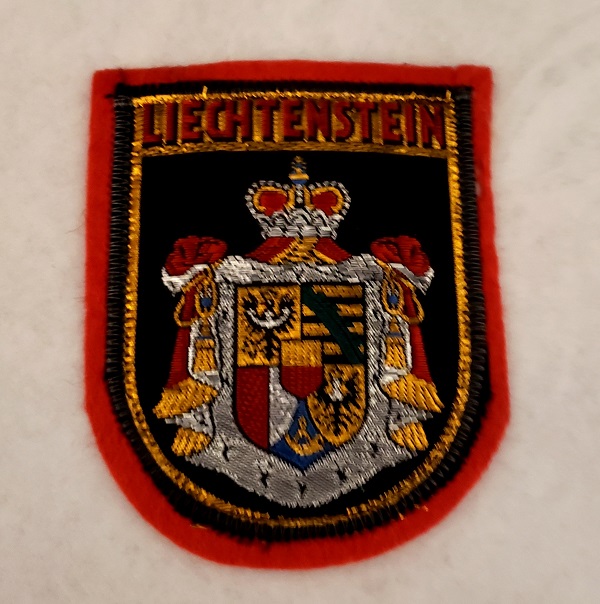
Situated between Austria and Switzerland, Liechtenstein is one of only two doubly landlocked countries (along with Uzbekistan) in the world. The capital city is Vaduz.

It spans about 62 square miles, making it the sixth smallest country on Earth. (Following Vatican City, Monaco, Nauru, Tuvalu, and San Marino). It has a population of about 39,000. The terrain is mountainous, ideal for skiing, and largely covered by the Alps. It is a parliamentary monarchy with a Prince (Head of State) who holds significant political powers, including vetoing legislation.

Vaduz Castle (German: Schloss Vaduz) is the palace and official residence of the Prince of Liechtenstein. In 1984, Prince Franz Joseph handed over power and everyday duties of the monarch to Hans-Adam, with Hans-Adam thus becoming regent, while his father remained the nominal monarch.

Following his father’s death in 1989, Hans-Adam officially ascended to the throne. On August 15, 2004, Hans-Adam formally handed the power of making day-to-day governmental decisions to his eldest son Hereditary Prince Alois as regent, as a way of beginning a dynastic transition to a new generation.

Legally, Hans-Adam remains the head of state. Hans-Adam is no mere figurehead prince. He is much wealthier and much more powerful than Britain’s Charles III, with a fortune of $12.6 billion, according to Bloomberg. This is 25 percent more than the annual GDP of “his” country, over which his family exercises complete control.

German is the official language. The population is predominately Roman Catholic. You can explore the entirety of this tiny country by walking its 75-kilometre-long national trail from Balzers on the Swiss border to Schaanwald on the Austrian one if one were so inclined. Known for a strong banking sector and tax-efficient system.

The currency used in Liechtenstein is the Swiss franc. Industry (manufacturing and construction) accounts for 42.2% of the gross domestic product (GDP). The largest branches in Liechtenstein’s strongly export-oriented industrial sector are machine and tool engineering, plant construction, precision instruments, and the dental and food sectors. Liechtenstein disbanded its army in 1868, and has had no standing army since. It also does not have an airport; you normally reach this tiny principality by train and/or bus/ and car.

What’s more fun than looking at some of the tiniest pieces of art? Postal stamps. Like Liechtenstein, they are small but mighty, and you can explore a museum entirely dedicated to Liechtenstein’s unique stamps. This museum is small, so it won’t take a lot of your time, but it’s worth popping in to see Liechtensteinian postage stamps through time. The country began creating postage stamps in the early 20th century, and since then, hundreds of beautiful and meaningful designs have been created. It was part of my mission when I toured Europe to obtain some of these stamps for my brother who was a stamp collector (Philatelist). Sadly, I did not keep any for myself. If interested click on link for the postal museum.

https://www.landesmuseum.li/en/our-museums/postalmuseum

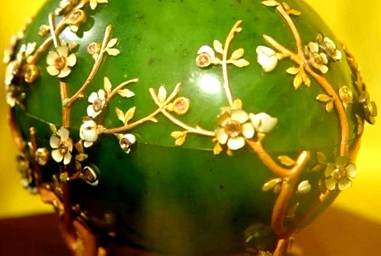
With no photos allowed and a relatively small collection, many visitors seem to find the Liechtenstein Treasure Chamber a bit of a let down. I didn’t find it that way though. While the room is small, it’s packed with unique treasures, including the Liechtenstein royal coronet, an ultra rare ‘Apple Blossom’ Fabergé Egg, and even a piece of moon rock from the Apollo 11 mission.

The 1901 Fabergé Apple Blossom Easter Egg is rumoured to be worth £30 million

For culture lovers, another must-see in Vaduz is the Kunstmuseum Liechtenstein, a contemporary art museum showcasing international and local talent in a striking, modern building. If you are not into modern art, however, it may not be for you. Even if you only get a stamp in your passport, Liechtenstein is worth a visit. Go explore and make memories!

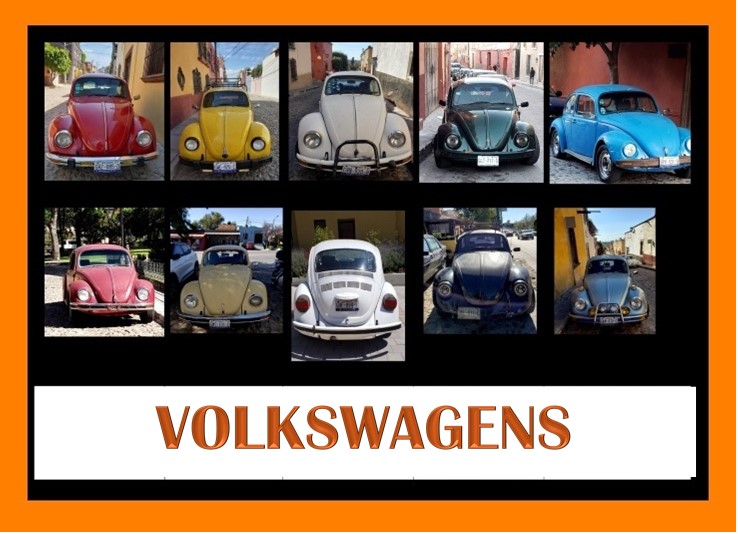
Volkswagen – Punch buggy

In the 1960s, Volkswagens—specifically the ‘Beetle’ and the ‘Microbus’—attained legendary status by serving as both practical transport (more miles to a gallon of gas) and powerful cultural symbols. Their popularity was driven by a combination of affordability (everyday working class and students), mechanical simplicity (easy to repair), and a revolutionary marketing campaign that resonated with a generation looking for an alternative to mainstream American consumerism. Check out “think small” campaign on youtube. https://www.youtube.com/watch?v=b8KQVjvmEGk

The car’s modest, unchanging design represented a rejection of “planned obsolescence”—the American trend of changing car styles every year to force new purchases. Young people today would know that term from the Apple and Samsung lawsuit for deliberately slowing down the performance of older models of their phones.

Many critics, consumer advocacy groups, and technology analysts consider the constant upgrading of Windows—specifically the transition from Windows 10 to Windows 11—to be a form of planned obsolescence. This perspective argues that Microsoft is employing a “design to die” approach, where functional hardware is rendered obsolete by software requirements, forcing consumers to purchase new devices.

 Ecclesiastes 1:9 says, “What has been will be again, what has been done will be done again; there is nothing new under the sun.”

The Beetle and Microbus were available, cheap, and relatively reliable by the standards of the 1960s. These were solid assets for a subculture that could be short on funds. Volkswagen managed to fulfill this niche despite its less than savory origins.

In the 1930s, Adolf Hitler commissioned Ferdinand Porsche to design an affordable, reliable car for the German masses—a “Volkswagen”. It was intended to represent Nazi Germany’s engineering superiority.

The production of the Beetle relied on forced labor, including prisoners of war and victims from concentration camps, to build the factory and the vehicles. The Nazis launched a program allowing workers to save for a car by buying stamps. Thousands of Germans paid into this scheme, but when war broke out, the factory pivoted to military production, and not a single civilian customer ever received their promised car, nor were they refunded. So a product of the usual political corruption and fraud that runs rampant today.

How then did the Beetle become a symbol of fun, freedom, and rebellion?

The Volkswagen Beetle became immensely popular in the United States and Canada during the 1960s and 1970s by offering a, reliable, and affordable alternative to the large, fuel-thirsty “land yachts” produced by Detroit at the time. Its success was driven by a combination of, clever marketing, superior engineering for its price point, and its eventual adoption as a counterculture symbol partly through movies like the ‘Herbie’ series, etc.

The punch buggy game involves players spotting Volkswagen Beetles and calling out “punch buggy!” (and colour) when they see one, earning them the right to deliver a (supposedly) gentle punch to a fellow passenger’s arm. And that’s really the whole game: The first person to spot a VW Bug and call it out gets to punch someone. Simple but possibly quite bruising to one’s arm. We still play it today but since volkswagens have all but disappeared around our area, we don’t play as frequently. I have heard though that the VW beetle is supposed to be making a comeback in 2026. Fingers crossed!